
Exploring Grief and Sex
People often feel a sense of loss when they realize that sex requires work. This might sound silly, but there is a misconception that sex should be effortless. That it should be easy and organic. Or, if those things don’t come effortlessly, you just aren’t good at “it”. Many people assume that we should be good at sex, however, the reality is that if you want to be a good lover, you have to work for it!
By Erinn Williams, LCPC
When we experience grief, we are dealing with some sort of loss and that emotional response to loss is grief. Grief is a completely normal process, but it doesn’t necessarily have to be affiliated with the death of someone - you can also experience grief over the loss of an idea, an opportunity, a relationship - or in this situation, the grief that comes with exploring sexuality.
People often feel a sense of loss when they realize that sex requires work.
This might sound silly, but there is a misconception that sex should be effortless. That it should be easy and organic. Or, if those things don’t come effortlessly, you just aren’t good at “it”. Many people assume that we should be good at sex, however, the reality is that if you want to be a good lover, you have to work for it!
Here are a few tips to help work through this of type grief:

IT’S OKAY TO BE AVERAGE
Grief is a physical, emotional and cognitive experience - just like sex! So, when the two come together, you can imagine that it can become complicated and tough to navigate.
Stop comparing yourself to media depictions and people in porn. You do not have to compete with mainstream celebrities or sex professionals, especially in the bedroom. Sure, it’s easy to compare yourself to those in the spotlight, but, let them do THEIR job! The truth is, you are not competing against reality, you’re competing against a character, who also has the benefit of a camera crew, hair/makeup, story, script and could very well be trained at their profession, with years of experience under their belt.
Being normal or average at sex is whatever feels fulfilling to you and your partner!
DO YOUR HOMEWORK
Think about this: how do you want to show up as a lover? What are you doing to support that vision? For example, if you want to be a giving lover, do you know what pleases your partner? Do you know what they like the most? How much time do you spend actually giving? How often are you talking about this stuff?
When you are able to recognize your own motives, you might feel less pressure and more control/confidence to create a sex life that fulfills you and your partner.
Research shows that couples who have better communication can also have better sex lives. Good communication doesn’t always lead to good sex, but exploring new things and asking questions can lead to improvements in and out of the bedroom.
Try making a list of everything that you want to try (and things that are off-limits) and ask your partner to do the same. Maybe you’ve both been fantasizing about similar things or you’ll uncover new activities to explore that fill up your love tank - that’s great! Make time to understand each point of view so you can get to know your partner’s love language (and even your own more deeply).
Some people might have trouble initiating sex, talking about fantasies, asking for their partner for more sex or how they can be a better lover. If that’s the case, seeing a sex therapist can be a great place to start! As trained professionals, they can help ask questions that can be useful for figuring out things that might be going wrong in bed - especially when it comes to your grief and sexuality. Just be patient and understand that things might take time.
THINK OF YOUR SEX LIFE ON A BELL CURVE
The majority of sexual encounters tend to be in the middle - meaning they're satisfying, but maybe not always mind blowing. There are going to be other encounters that are on the extremes, meaning sometimes sex will be incredible and sometimes it will bomb. This is all very normal. It's helpful to have a healthy outlook.
Many couples will experience ups and downs of their relationships - including their sex life. Things might start off hot and heavy, but dwindle over time due to many reasons - distractions pop up, your sex drive might be different than your partners and our bodies change as we get older. It’s up to you to keep good sex good. It’s up to you to improve or refresh things in the bedroom. Don’t look at this as a chore, but a sexual opportunity to improve the next phase of your sexual experience. You and your partner are worth the work!
And this goes for individuals that are single, too. A hookup might be great because you were both connected and fully present. On the other hand, a one-time sexual encounter might leave you feeling disappointed or let down if it was messy, embarrassing or only one of you reached orgasm. This is all normal, but remember that sexual expectations can evolve.
If your expectations are keeping you from connecting well with a partner, you probably won’t have as good of a time as you imagined. When you expect so much from sex and don’t meet these (sometimes) unrealistic standards, you could be left feeling inadequate and unsatisfied with both yourself and your partner.
Like all things in life, things might not go according to plan or end with a perfect finish every time. Try adopting a pleasure-based approach when it comes to your sex-pectations. Doing this can help eliminate fears that arise from believing that you must be a sex-pert and know everything about sexual intimacy.
We all deserve to have a healthy, safe and fun sex life. It’s okay if that doesn’t happen organically, don’t give up! Good sex takes work. You might have great chemistry with someone, but that doesn't mean that your sex will be great, too.
Just because you have an unpleasurable sexual experience, doesn’t mean that you’re bad in bed, either! You might have had the best sex of your life, but that also isn’t guaranteed each and every time. Don't worry, you didn't lose it!
When it comes to grief and sex, there isn’t a one-size-fits-all approach or solution, because everyone’s grief is unique and how we respond to it can differ from person to person. Be open, be understanding and put the work in!
BURNOUT AND HOW TO COPE
Feeling exhausted? Lethargic? Do basic work tasks make you feel pessimistic? Maybe you’re so stressed that you find yourself snapping at close friends or family members? If you answered YES to these, you might be experiencing burnout.
By Erinn Williams, LCPC
Feeling exhausted? Lethargic? Do basic work tasks make you feel pessimistic? Maybe you’re so stressed that you find yourself snapping at close friends or family members? If you answered YES to these, you might be experiencing burnout.
Traditionally, we equate burnout with work, but, the effects of it can be felt across multiple areas of your life. When we are always on the go, there are times that our adrenaline is so amped up, that we feel alert and check everything off of our to-do lists. But, when this is a constant occurrence, without any sort of rest or personal time, burnout can become very real.
While burnout isn’t a medical condition, it’s defined as “physical, emotional or mental exhaustion accompanied by decreased motivation, lowered performance and negative attitudes towards others and yourself,” by the APA Dictionary of Psychology. It wasn’t until 2019 that it was officially recognized as an “occupational phenomenon” by the World Health Organization.
When so many of us try to be accessible 24 hours a day - especially when a lot of us WFH - it can make saying NO difficult. Disconnecting in a technology-filled world can also make things more burdensome.

SIGNS OF BURNOUT
Burnout can look different for everyone. It can be caused by feelings of being overworked or under-challenged; time pressure constraints or even experiencing constant conflicts with peers at work. When we commit ourselves to so many things, but ignore our own needs, we can become overextended.
When we also feel like we have no control over our workload and struggle with a work-life balance, we can be at risk of burnout. Common signs include:
It's hard to focus or finish daily tasks
Acting impatient or irritable with those around us
Not feeling satisfied about personal achievements or wins
Your sleep habits change and you constantly feel tired
Physical issues including headaches or stomach problems
Being extra critical on yourself and your performance
Constantly worrying about something bad happening
Many of these symptoms overlap with depression and other anxiety disorders, so it can be tough to recognize burnout. If these feelings diminish once you get away from your work setting, it can point towards burnout vs depression. Depression symptoms don’t necessarily disappear when you remove yourself from the situation at hand.
HOW TO COPE
Oftentimes, we don’t realize we are burnt out until we’ve gone from tired to so exhausted that functioning daily is just difficult. Recognizing that you are experiencing burnout is sometimes the first step in improving your mental health. If it isn’t addressed, it can compromise your work and relationships with those closest to you.
Try to remember that you can only change what you have control over!
Making your mental health a priority is a great place to start. Having a safe space to talk with a trained professional can be life-changing to normalizing the stressful experiences that burnout can cause. Sure, sometimes stress is unavoidable, but that doesn’t mean there aren’t ways to accept and manage it!
Try setting alarms when it’s time to stop a task or work project. To-lists are also important when it comes to aiding you in the process of getting things done, without overstepping boundaries.
It can be tough to find the energy to work out when your tank is already running on fumes. You don’t even have to go to the gym to fit some physical activity into your day that will provide multiple mental and physical health benefits! Take the stairs instead of the elevator, take your kiddos to the park or even take a walk around the block on your lunch break.
Mindfulness is another great concept that helps us be emotionally present. Breathing exercises can be done at the comfort of your desk, couch or when driving your car! I might be doing them right now and you don’t even know 😊
When work-life boundaries are hazy, it can be tough to separate your personal life from your profession. Establishing a healthy routine can be crucial to coping with burnout. Sleeping, your water intake and diet and your social schedule are just as important as work-time. Schedule time for hobbies and relaxation! Creating boundaries can take work, but once you get into the groove of things, accept that pressing stop sometimes is necessary - you'll be closer to achieving your goals.
SETTING BOUNDARIES
With remote work at an all-time high, the boundaries between your personal and professional life can be blurred. One of the best things to mitigate burnout is to define the boundaries between the two! You don’t always need to check and respond to emails at 10pm on a Monday night. You can turn off notifications on your phone during off-work hours so you can focus energy on YOU and the people/things that bring you happiness.
Learn to say NO! Once you establish your boundaries and priorities at work through clear and honest communication, realize that saying no is completely acceptable. Take your lunch break, consider turning down that new project or decline a meeting invite if you are overbooked. Being able to say no is a powerful skill that can keep your goals and boundaries in line!
You’ve also earned the right to take a break every now and then. Sure, it can be challenging to step away from your responsibilities at work and request time off or take a mental health day, but sometimes resting and re-energizing your mind and body can do so much good upon your return! Remember, you deserve the opportunity to unplug your mind and body.
———
Recovering from a burnout can be overwhelming - but it is possible to move past it! Establishing a routine, recognizing burnout symptoms and holding yourself and others accountable for your boundaries are all actions that can help you stay in-sync!
Trauma Bonds
When trauma bonding occurs, it can be confusing, overwhelming and difficult to leave the abusive situation. This can also happen to anyone! You shouldn’t feel embarrassed, weak or incapable.
By Erinn Williams, LCPC
Just leave. Walk away. Move on. For those that have been involved in a toxic relationship (or watched a loved one go through one), it’s sometimes not as easy to break free as you’d think when a trauma bond has formed.
Trauma bonding is an emotional attachment that an abused person feels for their abuser, that develops out of a repeated cycle of negative abuse and positive reinforcement. After the abuse occurs, the abuser professes love, regret and attempts to make the relationship feel like a safe space again. The abuse can be emotional, physical or both. Trauma bonding can happen in a romantic relationship, between family members or friends and in the workplace (to name a few).
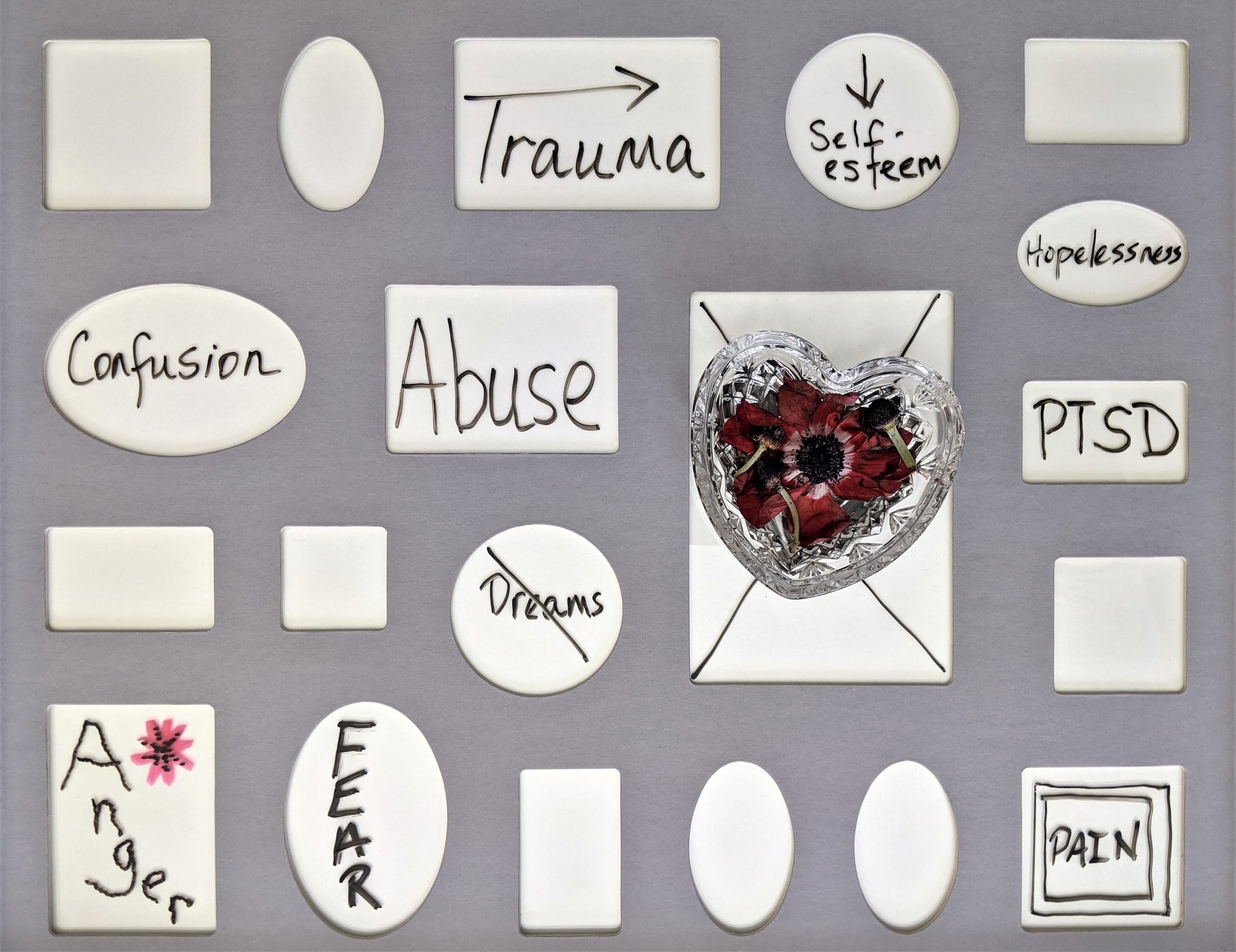
When trauma bonding occurs, it can be confusing, overwhelming and difficult to leave the abusive situation. This can also happen to anyone! You shouldn’t feel embarrassed, weak or incapable.
Through this cycle, the abused believes that things will get better, which is why they stay. The emotional dependency and bond to the abuser and relationship can be quite resistant to change.
Our brains can process trauma in different ways. As a result, a trauma survivor can often disconnect from their own sense of self, disregarding their own needs and values.
SIGNS OF TRAUMA BONDING
Unfortunately, trauma bonding can happen in a variety of abusive situations; in both new and long-term relationships. The abusive person can have an extremely charming facade at first. They might blame the abused for their mood changes. They might isolate them from their loved ones. They might repeatedly break promises and switch unpredictably between emotions.
On the other side, the abused person might make up excuses or brush aside the abuser’s harmful actions. They might lie to family and friends about the abuse. They might find themselves altering their behavior to avoid setting off the abuser and over time, grow numb to the abuse itself, basically normalizing it in their mind.
From an outsider’s perspective it can be tough to understand how someone in such a negative situation could still experience feelings of love and dependence for the person or people abusing them. In a trauma bond cycle, the abused holds on to the instances where the abused is kind to them.
Attachment is a basic human need that is important for survival and victims of trauma bonding can become so dependent on their abuser, that they don’t see a way out.
BREAKING TRAUMA BONDS
Escaping from a trauma bond can take time, effort and often professional assistance is needed to help the abused remove themselves from the destructive situation. For the abused:
Acknowledge that you have a choice to leave
Physically separate yourself from the abuser
Stop communication with the abuser
Recognize the signs of abuse
Figure out how you got here in the first place
Identify boundaries for your next relationship
Develop a network of support: friends, family and mental health professionals
Practice self-compassion and care; mentally and physically
Therapy is a fantastic tool for helping move past trauma! When we leave an abusive situation, there are complicated emotions that come along with it. As therapists, we are here to help you understand and guide you through these emotions, not to mention help you see the warning signs of abuse that could occur in future situations.
Remember, abuse is not the victim’s fault and trauma bonding is not the victim’s fault, either! Healing takes time and there are tools to help break down the bonds that once existed in an abusive relationship.
THE PRESSURE IS ON: MANAGING PERFORMANCE ANXIETY
A pit in your stomach. Sweaty palms. A trembling voice. A racing heartbeat. Sound familiar? These are all symptoms associated with performance anxiety – a debilitating fear, worry or phobia that is triggered when you feel like you must perform a specific task. The pressure to achieve can be tied to any type of performance, especially when connected to an evaluative component, and sometimes before the task has even begun.
By Erinn Williams, LCPC
A pit in your stomach. Sweaty palms. A trembling voice. A racing heartbeat. Sound familiar? These are all symptoms associated with performance anxiety – a debilitating fear, worry or phobia that is triggered when you feel like you must perform a specific task.
The pressure to achieve can be tied to any type of performance, especially when connected to an evaluative component, and sometimes before the task has even begun.
For some, panic might overtake them when they speak or perform in front of a crowd. Stage fright can happen during a performance on stage, speaking in front of your class during a presentation or even peers in the boardroom at work.
SPA or sexual performance anxiety affects 9-25% of men and 6-16% of women according to research. It’s linked to erectile dysfunction, premature ejaculation and a decrease in libido for both men and women. So, why do so many people experience SPA? A person might be worried about sexual inadequacy. Other factors such as body image, an inability to satisfy one’s partner, or the fear of erectile dysfunction (we can go on) can also occur. This exact performance mindset can lead many men and women to be self-conscious, worried and anxious when engaging in sexual experiences of any kind.
Stress hormones naturally cause our blood vessels to narrow and for men, when less blood flows to the penis, it can be difficult to have an erection. For women, this type of anxiety can prevent natural lubrication when trying to engage in sexual intercourse.
Anxiety before or during a game/athletic competition can interfere with your performance as an athlete. Athletic performance anxiety aka APA can create a difference in how you perform during practice vs how you do during competitions. Sure, a certain amount of worry about your performance can be helpful in competition, but these same negative thought patterns and expectations of failure can also interfere with your ability to compete. The movements required by many athletes can become difficult when your body is in a tense state. This can happen to individual athletes or those who play team sports. It can affect seasoned athletes and amateur competitors.
People can experience performance anxiety with many different situations beyond the three we mentioned above.

THE SYMPTOMS
When it comes to performance anxiety, there’s a real or imagined pressure to perform – and along with this comes physical symptoms.
Feelings of strong anxiety can activate our body’s fight or flight response causing your pulse to race, sweaty hands and nausea - in turn, creating a strong urge or overwhelming desire to leave the situation. Sometimes, this anxiety happens prior to a performance, interfering with your ability to perform at all before you even begin.
The initial symptoms of performance anxiety are often physical. But, these symptoms can also cause psychological symptoms where the performer is worried that people will notice their panic or that they will look bad in front of others. This negative self-talk can even worsen physical symptoms. Mental and emotional signs include irritability, task avoidance and trouble focusing.
The physical list of performance anxiety symptoms is complex and include: racing pulse, rapid breathing, dry mouth and tight throat, vision changes, trembling, sweating, chills
Increased heart rate, increased blood pressure, dizziness, lightheadedness, sweating, dry mouth, chills, pale or flushed skin.
YOU AREN’T ALONE! HOW TO COPE
Performance anxiety can affect people of all ages and experience levels – on stage, in the bedroom, at work or on the field. You don’t even have to be a performer to suffer from stage fright. A job interview or taking a test can also trigger this type of anxiety.
Practice makes perfect, right? When dealing with performance anxiety, it’s not about trying to avoid the anxiety altogether, but knowing what to do when it happens! Here are a few ways to cope with performance anxiety:
Deep breathing and meditation can help calm you down before a performance
Try to understand your triggers and what causes your performance anxiety in advance. Write them down and create a plan to tackle these triggers before they even happen
Allow yourself to feel the experience and try not to think that you’ll fail
Harness your anxiety into excitement! This will help your mind shift from negative thinking to looking forward to your performance
Connect with your audience! Smile, wave and make eye contact
Visualize success and try focusing on the performance vs the potential negative reaction of the audience
A psychotherapist can also work with you to explore the connections between your thoughts, behaviors, and outcomes. These cognitive behavioral techniques attempt to break the cycle of negative self-talk and the physical anxiety symptoms you might be experiencing. A therapist can also help you learn to recognize the triggers that cause your performance anxiety, how to anticipate and prepare for these negative thoughts, and how to restructure these thoughts to help lessen the anxiety.
Remember, performance anxiety can happen to anyone! Barbra Streisand avoided live performances for decades after forgetting her lines – and now performs with a teleprompter to ensure it won’t happen again. Adele uses hypnotherapy before she has a concert. Mark Twain eased his fears by having close friends in the audience to make him more comfortable and at ease. And Lorde calms her nerves via verbal self-assurance and talking to herself out loud before performing.
YOU GOT THIS!
Managing Eco-Anxiety & Climate Grief
As humans, our brains are wired to experience fear and anxiety. It’s natural to feel scared, discouraged, helpless and even angry when we feel a loss of control - and that includes facing environmental issues. This can make it difficult to accomplish tasks and even have a negative impact on the way some people face the future. Here are a few tips to help tackle eco-anxiety and climate grief.
By Erinn Williams, LCPC
As humans, our brains are wired to experience fear and anxiety. It’s natural to feel scared, discouraged, helpless and even angry when we feel a loss of control - and that includes facing environmental issues.
When we turn on the TV or scroll through social media, it’s commonplace for us to see or hear some form of coverage on the environment, climate change or natural disasters. This can be scary stuff for anyone to process - especially for individuals trying to manage eco-anxiety or climate grief.
People that suffer from eco-anxiety have a fear of environmental damage or ecological disaster. It’s largely based on the current and predicted future state of the planet and human-induced climate change. This can directly affect one’s mental health and the lack of control that accompanies it can cause debilitating anxiety, depression, PTSD, reduced feelings of control and substance abuse (to name a few).
The American Psychiatric Association (APA) recognizes climate change as a growing threat to mental health. For someone suffering from eco-anxiety or climate grief, it can be tough to find a balance between respecting the earth and making it a better place, while also practicing self-care and taking control of their own mental health. This can make it difficult to accomplish tasks and even have a negative impact on the way some people face the future.
Here are a few tips to help tackle eco-anxiety and climate grief.

VALIDATION
Anxiety happens when our body reacts to perceived threats with a fight or flight survival instinct. We often think of these threats as irrational fears or things that are highly unlikely to occur (like dying from a spider bite or getting struck by lightning). The difference here is that eco-threats are actually happening. These threats might seem far away or even immediate, but the effect on our mental health is still very present. It’s 100% reasonable to be scared of changes in the weather or the destruction of human and animal habitats as a result of the environment and the people that live here. But, you can try to limit the overwhelming or debilitating feelings you are experiencing.
There are many emotional, behavioral and cognitive strategies to help cope. One part of managing your own eco-anxiety is to validate it! When we acknowledge our eco-anxiety (or any anxiety/grief for that matter), it can help make sense of where these anxious and distressed feelings are coming from - instead of just trying to jump into accepting them and moving on.
PRESS PAUSE
If you are feeling powerless and overwhelmed about the ecological crisis, it’s okay to disconnect! Eco-anxiety can be triggered by media stories on environmental and climate crises or even by the human efforts to tackle them. Try not to doom-scroll, but disengage from media coverage or other negative ecological exposure to give yourself a much-needed break.
By taking mental breaks, it gives us time to restore a sense of balance. You can even focus on a few environmental issues vs the climate crisis in its entirety.
EXPLORE TANGIBLE LIFESTYLE CHANGES
Research shows that many people are anxious about how their personal behaviors impact the earth - such as the products they buy, the food they consume or forms of transportation they use to get from point A to B. Sometimes, this extreme state of worry makes it hard to think about anything else and that's okay!
Try focusing on the present environment and what you can change at THIS moment. Make a list of the things that you have control over and take actionable steps towards positive change. While eco-anxiety can influence feelings of helplessness, you can still explore personal lifestyle changes that can help the environment and your mental health.
Most of us understand that things like climate change can affect society’s health via pollution, disease or a lack of food. It’s a global concern but also a personal one. Everyone is connected to the planet whether they want to admit it or not. So, what can you do? Start off focusing on small and easy things that can make an impact.
Make an effort to cut down on your consumption! As kids, many of us learned: Reduce, reuse and recycle! Before purchasing something, try asking yourself if you really need it - is there another sustainable option out there? You can also make an effort to reuse things! Grocery bags from the store, refillable water bottles. Starting a garden or compost at home is another great way to improve your carbon footprint.
YOU ARE MAKING A DIFFERENCE
When we focus on the extremes, panic can overtake us - it’s a natural, instinctive reaction to a threat. Instead, try focusing on this: you are part of the solution, rather than the bigger problem! No matter how small you think your contribution to the environment is, it’s still that - a contribution! You are making a difference.
Just remember, you can always find ways to cope with the effects of eco-anxiety and climate grief. Harness that knowledge and power to find new solutions for the environment and your own well-being.
Toxic Masculinity Part II
Despite how far we’ve come in breaking down male gender norms over the last few decades, men are often expected to act tough and aggressive, never lose, show no emotion or not do anything that could be considered weak - in order to be “masculine”. Because of this, many men struggle to define their masculinity and themselves as men in a culture that can stigmatize things like sexuality, aggressiveness or dominance.
By Erinn Williams, LCPC
Despite how far we’ve come in breaking down male gender norms over the last few decades, men are often expected to act tough and aggressive, never lose, show no emotion or not do anything that could be considered weak - in order to be “masculine”. Because of this, many men struggle to define their masculinity and themselves as men in a culture that can stigmatize things like sexuality, aggressiveness or dominance.
In February, we tackled Toxic Masculinity in our current culture and shared tips on reframing masculinity in a healthier way. In part II of this series, we’re shining light on the difficulties that women have holding space for men that don’t quite fit society’s picture of masculinity.
In reality, there is no right or wrong way to be a man. There is no right or wrong way to be a woman. Yet, ideas of masculinity continue to be restrictive, placing pressure on men of all ages to bury their feminine qualities - both physically and emotionally.
So, why are some men more feminine than others? It could be their upbringing, kind nature or even just a passion for self-care and grooming. There are also many women and men that are comfortable dating a man who has feminine traits that he is proud of - like empathy and sensitivity.
We’ve all heard the saying, “beauty is in the eye of the beholder.” So, how can women be more accepting of boys and men that don’t exhibit the epitome of what our society deems masculine?

CHALLENGING MYTHS
Did you know that we all have masculine and feminine energy?! We need to remember that being sensitive or caring is not exclusive to one sex. Men can be kind and also tough - just like women! A strong man is someone who is conscious of all of his actions - including feminine energy.
We are born into society and often inherit the belief systems of those around us. These systems - both behavioral and psychological - need to be confronted and addressed - especially if we want to unlearn some of these societal norms / myths.
Challenging beliefs can be hard, especially if you don’t notice what you’re doing in the first place. You might feel threatened or vulnerable and that’s OK! Noticing a false belief is the first step in unlearning it through conscious effort and participation with those around you.
Try deconstructing common myths surrounding feminine and masculine energy. Why do you think that? What work is needed to change these beliefs? Try being around people that challenge you! What can you learn from men that have a well-developed feminine side? Or on the contrary, what can you learn from women that exhibit masculine qualities?
POSITIVE MASCULINE ENERGY
This right here! Positive masculine energy can be associated with strength, stability, purpose, achievement and power (the list goes on). Try thinking about masculinity in a new way that includes everything that COULD BE A STRENGTH. Not just being tall or having big muscles.
If we are able to redefine the limits of our own desires to encompass more qualities - we might start to understand that a man can still be desirable if they lack the qualities of a physically or mentally strong person.
Instead, these combined strengths and energies can create something special and unique.
INTEGRATION
A study from 2015 showed that when male leaders asked for help, they were viewed as less competent, capable and confident in the workplace. This perceived “weakness” can in turn give the perception of a lower status. But, when females approached a similar situation, the opposite was perceived. Because of this, men often associate seeking help with a fear of being judged or appearing weak to society. This is not the case!
Masculine energy is associated with stability and reliability, while feminine energy is often the energy of change and transformation. Why can't we have both?
If we want to be more accepting of feminine traits and energy, we can start by inviting and finding ways to incorporate a balance of both feminine and masculine energy into various life situations (the workplace, social encounters, political arenas). This integration can be powerful, helping us learn about our own strengths and weaknesses, and how others can help fill in those voids.
As a society, we need to make an effort to teach others to value their authentic and genuine experience of themselves. You can still be a man and be feminine, and it’s up to all of us to work towards making this idea the norm in our society.
Exercise and Movement To Support Mental Health
Beyond the more common benefits of exercise - improving cardiovascular health and overall strength - exercise and movement can buff up our brains, too. Known as a natural mood booster, exercise is proven to increase our endorphin levels, naturally lifting our mood. In fact, mindful exercise and movement therapy are both frequently integrated into many mental health treatment plans. It can help us manage symptoms of depression, reduce cognitive issues and alleviate anxiety and stress.
By Erinn Williams, LCPC
How great is it that we can nurture our mind at the same time as our body?! Beyond the more common benefits of exercise - improving cardiovascular health and overall strength - exercise and movement can buff up our brains, too. Known as a natural mood booster, exercise is proven to increase our endorphin levels, naturally lifting our mood. In fact, mindful exercise and movement therapy are both frequently integrated into many mental health treatment plans. It can help us manage symptoms of depression, reduce cognitive issues and alleviate anxiety and stress.
Exercise also doesn’t mean just running on the treadmill or lifting weights! It’s really anything that gets us moving! Try going for a walk during your lunch break or dancing while making dinner in the kitchen - all types of physical activity can help you release stress!
So, how do you get started?
GET MOVING!
There are four kinds of exercise: endurance, strength, balance and flexibility. Research shows that an average of just 150 minutes of moderate physical activity each week can help boost energy, socialization, fight sickness and improve your overall emotional wellbeing. It’s important to engage in the type of exercise that YOU enjoy!
If you aren’t a fan of the gym, that’s ok! Try taking the stairs instead of the elevator or even walk to the store instead of driving. Physical activity has profound effects on the structure of our brains - specifically in the regions most affected by depression and schizophrenia.
Yoga is a low-impact form of exercise that has been shown to lower stress hormones in our bodies while increasing beneficial brain chemicals like endorphins and GABA (gamma-aminobutyric acid). These feel-good chemicals help decrease anxiety and improve mood. Over time, the effects of yoga are believed to even slow down the natural aging process of the brain that can alter memory and cognition as we get older. The benefits of yoga have led to it being a well-regarded practice tool of psychotherapy.
Running is known to control stress and boost the body’s ability to deal with mental tension or issues. The chemicals released during and after running can help calm anxiety symptoms (we’ve all heard of “runner’s high”). This type of cardiovascular exercise can also create new brain cells to help improve overall brain performance - boosting creativity for up to 2 hours post run!
Mindful Movement refers to engaging in different exercises while placing all of your attention on the movements of your body and your breathing. When we practice mindfulness, we are training our attention to stay in the present moment instead of wandering off with our thoughts into the past or future. By keeping our attention in the present and bringing it back each and every time it wanders off, we are training the brain networks we use to control our attention. Try Tai Chi, Qigong or even just walking outside!
DMT, known as Dance/Movement Therapy is a type of therapy that uses movement to help individuals achieve emotional, cognitive, physical and social integration to help reduce stress and manage your mood. It can be conducted in groups or individually. Dance/movement therapists assess body language, non-verbal behaviors, and emotional expressions, helping people work on issues through the use of a “movement vocabulary” that is centered around physical expression instead of words. Sometimes, just busting a move is a great way to lower stress and anxiety - while getting to the root of many underlying issues!

Pro Tip: start slow and monitor your progress! Remember to track the benefits you feel post-exercise. This will help you see the connections between movement and how it makes you feel. Most importantly, have fun! It’s easier to stick to activities that you actually enjoy.
SELF-ESTEEM
Exercising can make you feel more comfortable with yourself and increase your self-confidence. According to research, physical activity is directly and indirectly associated with self-esteem. Feeling confident about your body and its capabilities can help people who struggle with many mental health issues. When you feel better physically, you start to feel better mentally! Movement and exercise incorporate setting and achieving goals - and when you achieve these goals, you naturally gain a sense of accomplishment - giving you the emotional stamina you need to seize the day.
SWEET DREAMS
Regular movement and exercise can even help us sleep better at night. Studies show that short bursts of exercise in the morning or daytime can help relax your body later at night, helping you get a good night’s sleep so you feel refreshed throughout the day. So, how much exercise do we need for better sleep? The good news? Studies show that individuals who spend at least 30 minutes doing moderate aerobic exercise may see a difference in sleep quality that same night!
Your mind and body are well-connected. Our brains might be the master control system for how we move our bodies, but try to remember that the way you move can also affect how you think and feel! Regular movement and mindful exercise can do so much for your body, mind and spirit - regardless of your age or fitness levels.
Sex Ed - How Your Upbringing Can Effect Your Sexuality As An Adult
The controversy surrounding adolescent sexual education has been going on for years. Many oppose it all together, where other programs might focus solely on abstinence-only-until-marriage messaging; failing to provide young individuals with basic information on disease-preventing methods, unintended pregnancies, sexuality, and pleasure. Down the road, this can have an effect on how you handle relationships. How you handle boundaries and consent. How you handle desires.
By Erinn Williams, LCPC
Raise your hand if you had some sort of sex-education as a child in school or within your community? Do you remember what it covered? Who taught it? Was it sex-positive material? Did it make you feel embarrassed and shameful about your sexuality?
The controversy surrounding adolescent sexual education has been going on for years. Many oppose it all together, where other programs might focus solely on abstinence-only-until-marriage messaging; failing to provide young individuals with basic information on disease-preventing methods, unintended pregnancies, sexuality, and pleasure.
Down the road, this can have an effect on how you handle relationships. How you handle boundaries and consent. How you handle desires. Just because you were taught that something is wrong or taboo when you were younger, doesn’t necessarily mean that it is. And this holds for the opposite side of things, too. Just because you were taught that you should do something one way because that is how society views and accepts it, doesn’t mean that following a different path isn’t what is right for YOU!
Discussions about sexuality and adolescents can bring out heavy emotions for some - and that’s ok! It can be uncomfortable. You might have strong opinions. Try going into it with an open mind.
Everyone should be entitled to factual, comprehensive sexual education, but that isn’t always the case. Often times, sex education curricula can stigmatize pregnant or parenting teens vs. providing support to young people and their families. It can also stigmatize the LGBTQ community or sex-forward actions and thoughts.
Some children might not be getting any form of sex education. Others might be receiving it, but in the form of often shameful or abstinence-focused curricula. When it comes to you personally, there is nothing to be ashamed about. Sexuality plays a huge role in who we are as humans. Having access to accurate and complete sexual education can help young people make responsible decisions about sexual behavior and health throughout their lives - both socially and emotionally.
Sex education CAN teach us:
To appreciate our bodies
How to affirm our own sexual orientation and show respect for others
To express sexuality in our daily lives
To develop and maintain meaningful relationships with all genders / sexual orientations
How to effectively communicate our needs, wants and desires to our partners

Currently, only 29 states and District of Columbia mandate sexual eduction. 35 states require that schools stress abstinence when sex ed instruction is provided. 9 states require sex ed to include information on consent. And 7 states have policies that include affirming sexual orientation instruction on LGBTQ identities.
Different sexual orientations are natural. As adolescents, gender experimentation can be a common urge. It doesn’t make anyone weird or socially-unacceptable. Sometimes, sex ed courses don’t teach us how to affirm our own sexual orientation, while showing respect for others at the same time.
At the end of the day, sex is not a reflection of your value as a person. Sexual experiences can be different for each of us and you have a right to learn and explore them safely. We’ve all heard “wait until you’re married.” But, putting a ring on your finger doesn’t always resolve any insecurities surrounding your sexuality, especially if you haven’t explored the emotional needs of various types of relationships, yet.
There is so much more to sex education than just the biology of it! Some of you might have even learned about the birds and the bees from your parents. You find a person of the opposite sex, fall in love, get married and have babies. That’s fantastic. For others, sex ed curriculum might have focused on the psychological significance and social understanding of being sexually active. The meanings of sex, setting clear expectations and boundaries, communicating sexual desires and dealing with awkward moments and shame when it comes to sex-related topics. If you encountered the latter, bravo! I hope that it made you open to new sexual experiences, desires and relationships!
If you’re still learning and exploring your sexuality, bravo to you, too! I encourage you to keep learning and exploring. There is no one-fits-all approach to your own sexuality and it can evolve over time.
Online Dating and Anxiety
Online dating and social media can be tough to navigate. Naturally, both can bring about fear and suspicion that the person you are chatting with might not be who they say they are. This can create feelings of self-doubt, anxiety, depression and fear of the unknown. Once someone is emotionally-invested, these experiences (even if not in-person) can lead some of us to question our future decision making capabilities, causing trust issues and even emotional/psychological damage.
By Erinn Williams, LCPC
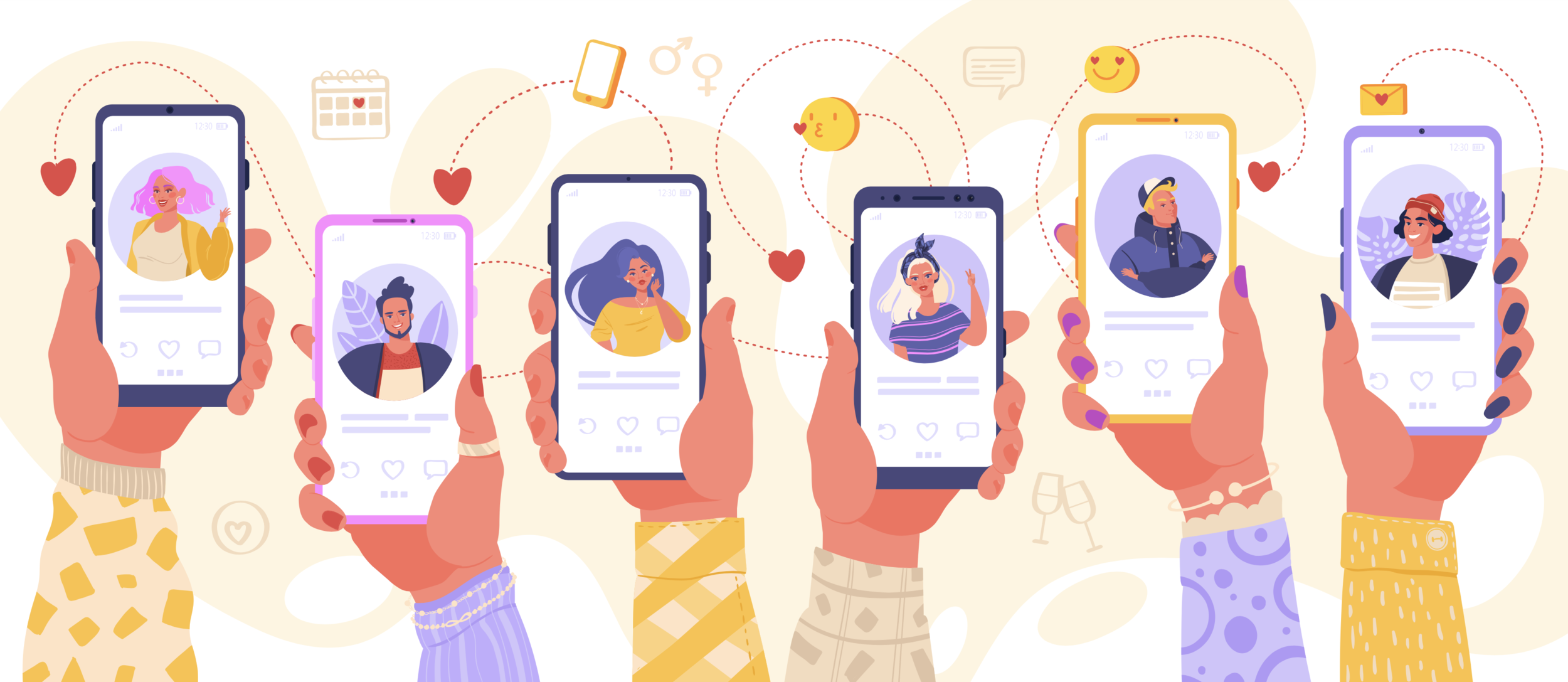
Technology has changed how we connect with others – and that includes how we might find love. Tinder, Hinge, OKCupid, Bumble, Her. The list goes on and on.
To some, this is a great thing! Dating apps give us the opportunity to connect with people locally and all over the world! They can provide the chance to interact with someone that you might not have ever had the opportunity to connect with in your day-to-day life. They can also give us a jolt of confidence that we might not normally have had in a real-life first encounter.
Some people might be seeking some fun with a casual, sexual experience. On the other hand, some individuals go into online dating with intentions to start a relationship that could end with a life partner. We’ve all heard fairy tale stories of online dating that end in finding that special someone; but, we’ve also heard horror stories about catfishing, lies and manipulation. The unknown can be scary and that’s ok.
Online dating and social media can be tough to navigate. Naturally, both can bring about fear and suspicion that the person you are chatting with might not be who they say they are. This can create feelings of self-doubt, anxiety, depression and fear of the unknown. Once someone is emotionally-invested, these experiences (even if not in-person) can lead some of us to question our future decision making capabilities, causing trust issues and even emotional/psychological damage.
If you’ve seen Netflix’s Tinder Swindler, you know exactly what I’m talking about. The documentary introduces us to an alleged master con artist, who emotionally, promised the world to his connections he met on Tinder – lavish apartments, vacations around the globe in private jets and the dream of starting a family together. He shared intimate stories, videos, phone calls and messages, giving his online prospects a glimpse into the life of someone that didn’t really exist.
Like many people who get catfished or scammed via online dating, these women truly believed that the Tinder Swindler was a great guy. He took the time to build the trust and love that many people are searching for with a partner. But, after that, he used fear and manipulation to control them, causing many of them lasting financial and emotional abuse.
Stories like this can make many people anxious about online dating, and rightfully so.
For those already experiencing depression or anxiety, online dating might make these symptoms worse. Those seeking validation in a relationship can be more vulnerable to rejection. According to a recent study from the University of North Texas, Tinder users actually experience more mental health problems than non-users.
So, how do you overcome the fear of getting rejected or the fear of the unknown when it comes to online dating?
Try starting the process of online dating with the right mindset.
Worried that people are going to judge you – don’t! Online dating has become a mainstream way of meeting potential partners. You’re in good company with the other 44 million online dating users in the US.
Scared of rejection? This is a real and sometimes, unavoidable. Accepting the fact that you might not be compatible with your online dating match (yes, that is ok), is sometimes all that you need to cope with this fear. It doesn’t mean you are flawed, rather a mismatch with a potential partner. Facing these fears can actually be empowering!
Horror stories like the Tinder Swindler can be scary. That doesn’t mean that everyone out there is a bad apple. Anxious to meet your match? Meet in a public space and don’t share too much personal information about yourself. Try to remember that talking online and on the phone is different than meeting IRL. Things take time. Pay attention to the intentions of your match from the get-go. It’s easier to spot red flags if you are mindful from the start.

Make your expectations clear – with yourself. If your goal is to meet someone that you can build a long-term partnership with, don’t get sidetracked by compliments, sex and other “shiny objects”. If you’re looking for just a fling, good for you! Make sure you can handle the emotional consequences of sex.
Open up gradually. Some daters might feel that it's a positive thing to share intimate details about their life right away, as it shows a willingness to be vulnerable and to get closer faster. However, emotionally dumping on someone in the first few dates can actually be the opposite of vulnerability and at times put people more at risk. Instead, try gradually revealing yourself over time. The real vulnerable thing to do is to connect to your emotions as you begin to share the more intimate or painful parts of your life.
A lot of people get nervous before going on a date or starting a new relationship. Just remember, you are in control of how YOU want to date! You are an amazing person and not everyone you date will end in a lifelong connection. Take your time and be honest about expectations. Talk to your friends, family or therapist about your online dating fears and anxieties. If your feelings are affecting your happiness, help is out there if you need it.
Protecting Your Mental Health During Times of Crisis
We have more access to news than ever before – mainstream news channels, social media platforms, radio and podcasts. We also have more ways to consume this information – laptops, computers, phones, tablets, Alexa (the list goes on). Right now, it can be hard to stop scrolling through our newsfeeds and timelines for constant updates about what’s going on in the world. It's scary stuff and you can often get sucked in, easily. There are multiple ways to protect and improve your mental health during times like this (remember, you’ve already gotten through two years of the pandemic – you’re stronger than you think)!
By Erinn Williams, LCPC
We have more access to news than ever before – mainstream news channels, social media platforms, radio and podcasts. We also have more ways to consume this information – laptops, computers, phones, tablets, Alexa (the list goes on). Right now, it can be hard to stop scrolling through our newsfeeds and timelines for constant updates about what’s going on in the world. It's scary stuff and you can often get sucked in, easily.
If you’re currently feeling anxious or helpless right now, you’re not the only one! Like so many of us, turning to this 24-hour a day news cycle, trying to decipher what is factual vs fake news and seeing what is unfolding in Ukraine and other parts of the globe can leave us feeling anxious, angry, helpless, and even sad.
It’s so important that we learn to nurture our mental health during stressful, life-changing global events.
Naturally, as we see or read about the destruction and uncertainty unfolding in Ukraine, our anxiety and fear levels can understandably intensify. Traumatic and stressful experiences can put individuals at a greater risk not only for poor physical health, but tough mental outcomes such as depression, anxiety and PTSD. This can happen to someone directly or indirectly experiencing any type of trauma.
There are multiple ways to protect and improve your mental health during times like this (remember, you’ve already gotten through two years of the pandemic – you’re stronger than you think)!

LIMIT SOCIAL MEDIA USE
Being in front of a screen can be a major temptation. A lot of us are already spending more time at home remote working; spending increased time in front of screens. Raise your hand if you’ve caught yourself scrolling more than before? It’s OK, I’m guilty myself! A recent study showed that the average adult spends a little over 3 hours per day on their phone – checking it on average 58x per day!
This can be hazardous to our productivity and overall mental health – try taking control of your digital well-being by:
• Tracking your screen time
• Doing a device-cleanse and removing apps or programs that you don’t trust or might be causing distraction
• Turning off notifications
• Allotting times for no electronic devices
• Resisting the temptation to check your phone first thing in the morning, right before bed and during the middle of the night. Poor sleep quality can affect your mood.
• Doing your best to get your news and information from reliable sources and social media channels.
Try starting this week – National Day of Unplugging (yes, it’s a thing) – is March 4-5. When you unplug, do something that you know brings your joy or reduces your stress – like meditation, journaling, working out or other mindful activities.
PRACTICE MINDFULNESS
Meditation, yoga and prayer are all great ways to help focus your attention on the present moment vs the unknown or other catastrophic world events you might not be able to directly control. It’s been found that mindfulness – the practice of observing what is both inside and outside of ourselves, moment by moment – can improve mood and vitality, increase happiness, battle depression, anxiety and stress! No matter what, try to remember that the emotions that you might be experiencing right now are normal and everyone reacts to circumstances in different ways.
SUPPORT
The mental aspects of war can be catastrophic. Times of crisis often give us a chance to come together as a community and doing so can build important memories, by providing a sense of support and belonging. You can find safety in the comfort of others. Often connecting or reconnecting with one’s cultural identity via social gatherings, cultural or spiritual, is a great place to start. Hearing what others are experiencing can help individuals feel that their emotions are heard, valid and accepted. Spend time with other families that are or have experienced similar tragedies. Also, conversations about non-war topics should also NOT be ignored.
If you have kids, be honest to them about what is happening (age-appropriate topics, of course). Let them ask questions, ask them how they are feeling and work together on finding positive ways to express these feelings whether it be journaling, drawing or even cooking together as a family.
If you are currently seeing a therapist or other mental health professional for your mental health treatment – great! Try to be consistent and keep up with your current sessions. If you aren’t quite sure how to experience everything happening around you right now – that’s also ok! Consider reaching out to one of us at ELC, we currently offer both telehealth and in-person sessions.
BE KIND
This goes for yourself and others! Make sure to always practice self-love, stay positive and be kind to others. You never know what might trigger someone. They could be reading about Ukraine and have fled from their home country as a child. They might have family in Ukraine, Russia or another area and have no way of connecting with them during this invasion. Try not to lump an entire country or group into one sphere – it’s likely that you share some of the same values and beliefs and that might even surprise you!
Try asking people how their day is. Smile. Say thank you. Tell jokes. Take a mental health day if you need it with a friend.
We live in a highly connected world and the reality is that information comes in all shapes and forms. If social media is stressing you out, sign off! If the news about Ukraine and the pandemic are consuming you, turn it off! Lately, I’ve been talking a lot with my clients about the importance of breaks. Sometimes, staying connected to the news and current affairs isn’t going to help your mental well-being and that’s fine!
Just know that there are millions of other people around the globe sharing your experience right now.
Toxic Masculinity
Being a man or male identifying person can leave someone feeling a little off or confused about how they “should” act. Many of you have heard the term Toxic Masculinity - the adherence to the limiting and often dangerous societal standards set for men and male-identifying individuals. Typically (not always), these socially regressive male traits have caused men to eject actions that might undermine their ideas of what it means to be a real man. So, how do we tackle toxic masculinity in our current culture and reframe masculinity in a healthier way?
By Erinn Williams, LCPC
Guess what? We’re going to let you in on a secret. You can still be masculine and cry! You can still ask for help or seek out therapy and be masculine! Are you a stay-at-home dad? Be a stay-at-home dad that exudes positive masculinity!
Being a man or male identifying person can leave someone feeling a little off or confused about how they “should” act. Many of you have heard the term Toxic Masculinity - the adherence to the limiting and often dangerous societal standards set for men and male-identifying individuals. Typically (not always), these socially regressive male traits have caused men to eject actions that might undermine their ideas of what it means to be a real man.
Boys will be boys. Man up and be strong. Real men don’t cry. Sound familiar? According to traditional toxic masculine values, a male who does not display enough “manly” traits may fall short of being what society considers a “real man” aka they are weak.
Research has suggested that men are actually less likely to see a doctor for a fear of appearing weak or unable to provide. This sort of thinking can also prevent men and those that identify as males from seeking the important mental care that they need and deserve.
These gender stereotypes and the stigma surrounding male mental health are becoming more and more prevalent in our society. So, how do we tackle toxic masculinity in our current culture and reframe masculinity in a healthier way?

HAVE TOUGH CONVOS
It’s not a bad thing to tap your friends, family or trusted relationship on their perspective on how you handle situations relating to your masculinity. How do your actions impact others? Is it how you intended them to come across? Working with a therapist can also help uncover why you might feel shame for expressing your genuine feelings. It can also help uncover any previous traumas or communication issues you were taught growing up.
IMPROVE VOCABULARY
Boys are often not socialized to use a wide range of emotional vocabulary in the same way girls are. As a result, a great deal of men struggle to pinpoint their emotional state at any given time. Even if men want to get in touch with feminine energy, they might not have the language! Try looking up a feelings wheel and identify at least 5 emotions you tend to feel regularly that are more nuanced than frustrated, angry, or excited. Get in the practice of naming precisely how you feel!
UNDERSTAND YOUR OWN ACTIONS AND HOW FAR YOU’VE COME
Be honest about your past and how you communicated - you can learn from it! You cannot change the past, but you can change the future for yourself and those around you. Try journaling - everyone has to start somewhere! Maybe you weren’t a great communicator to your last partner or relied on your strength to intimidate others. Remember these actions, how you acted and how you should have acted in the situation.
Most people want to have satisfying relationships with their partners, coworkers, friends and family. This can lead to deeper, more connected relationships with kids and younger generations facing traditional male stereotypes.
Just remember, don’t beat yourself up about past actions, but use them as a tool to move forward.
BREAKING OUT OF THE GENDER BOX
Women aren’t the sole victims of toxic masculinity. Sexual harassment in the workplace, derogatory comments made in public can be made anywhere to anyone - women, other men, gay, straight, black, white or brown - you name it. Instead of teaching young men about owning their own mistakes and taking responsibility for their actions, these negative masculine expressions often advocate for careless and damaging behavior.
Try breaking out of your gender box! Feminine energy isn’t a sign of weakness and men exhibiting feminine energy aren’t weak! Being flexible and fluid in your environment will help you break free of limitations and guide others in their beliefs and actions.
Masculinity can be natural. It can be good and most importantly Positive Masculinity exists and is important to societal growth. Being comfortable with who you are, regardless of your gender identity and expression, is a great place to start.
Want more? Check out the Man Enough Podcast HERE. We’ll also be coming out with a Part II to this blog focusing on the difficulties women have holding space for men that don’t quite fit society’s picture of masculinity.
Be Your Own Valentine This Year
A little self-love can go a long way! Whether you’re single or taken, it’s important to pamper yourself with the same kind of love and kindness that you’d shower anyone else with this Valentine’s Day (and beyond)!
By Erinn Williams, LCPC
Gifts, candy, flowers, fancy dinners and cards filled with romantic messages. That must mean Valentine’s Day is right around the corner! Let me let you in on a little secret: you don’t need a romantic partner to have a love-filled Valentine’s Day!
Valentine’s Day is historically devoted to celebrating our most loved relationships with friends, family and romantic partners. If you’re coupled up, you might expect to get engaged, have sex, receive gifts and be spoiled on February 14. If expectations aren’t met, you might be left feeling disappointment or even resentment towards your partner. If you’re single, not meeting those same exceptions can leave you feeling inadequate or in a state of self-doubt. This can be a trigger for many people and that’s 100% ok.
This Valentine’s Day, I challenge you to try something different: focus on the most important person in your life… YOU! I encourage you to devote time to celebrate self-love and self-compassion.
It’s important to remember a few things. Self-love isn’t selfish. Self-compassion isn’t meaningless. And self-care isn’t indulgent. In fact, self-love plays a huge role in overall human connection and can improve your mental and physical health.
There are three types of self-love:
1. Mental (self-acceptance)
2. Psychological (self-respect)
3. Physical (how you see yourself)
Learning to love yourself takes time and effort, but the benefits that come with self-love can also be extremely rewarding. So, where do you start? Here are a few self-love gestures to practice this Valentine’s Day (and every day)!

MAKE TIME FOR THINGS YOU LOVE
What sparks joy? What makes you smile? Do you love writing, meditating, drawing, cooking, listening to music? You deserve to give yourself permission to do what you love! Engaging in activities that you enjoy boosts energy and elevates your mood.
LET’S GET PHYSICAL
Whether it’s a workout at the gym, a walk around the neighborhood or yoga session, exercising encourages the body to release feel-good endorphins. Getting physical (with yourself) can go beyond the gym, too! When we engage with our bodies and better understand our own needs, it can help create a more intimate and conscious self-connection.
Masterbation is an act of self-love. This Valentine’s Day, take the time to give your body what it’s craving. Touch yourself how and where you want in order to feel pleasure. When you orgasm, your body releases dopamine and oxytocin AKA the love hormone responsible for those warm and cuddly feelings. Plus, who doesn’t like feeling good?!
TELL YOURSELF SOMETHING KIND
When was the last time you wrote someone a love letter? Try writing a love letter to yourself! What are 10 things you love about yourself? Words of affirmation are important and can leave filled with positivity! Sometimes we forget how important it is to fill up our own love tank before we can give it to others!
ALL THE FEELS
When February 14 rolls around, you might feel sad. You might be missing someone you recently lost. You might have recently ended a relationship with someone you loved. You deserve to give yourself the space you need to experience and feel your emotions. Cry it out if you want. Mad or angry? Channel your anger and turn it into something positive through meditation or journaling. Everything you are feeling is valid.
TAKE A SOCIAL MEDIA BREAK
If you’re scrolling on Valentine’s Day, you’re most likely going to see two things; people that loathe Valentine’s Day and those excited to show off the gestures of love and affection that might have received. Both are entirely ok and acceptable. Just be mindful that social media can add stress and might trigger anxiety for some people. Try turning off notifications or leaving your phone in the other room for a little bit. This will ultimately give you more time to focus on the things you enjoy!
A little self-love can go a long way! Whether you’re single or taken, it’s important to pamper yourself with the same kind of love and kindness that you’d shower anyone else with this Valentine’s Day (and beyond)!
Tackling Seasonal Affective Disorder
It’s cold. The days are getting shorter and it’s dark by 4pm. For some, this provides a great opportunity to spend quality time focusing on themselves. For others, it can provide opportunities to spend quality time with loved ones like watching movies together on the couch, cooking a family meal or even exploring the seasonal changes outdoors (snowball fight!).
But, for those that suffer from SAD or Seasonal Affective Disorder, it’s quite the opposite. You might lose interest in the activities that you used to enjoy or distance yourself from friends and family. You might feel sad, have a hard time focusing or experience fatigue that can limit your motivation, resulting in sleep and eating issues. Just remember, there is nothing wrong with any of this and you are not alone.
By Erinn Williams, LCPC
It’s cold. The days are getting shorter and it’s dark by 4pm. For some, this provides a great opportunity to spend quality time focusing on themselves. For others, it can provide opportunities to spend quality time with loved ones like watching movies together on the couch, cooking a family meal or even exploring the seasonal changes outdoors (snowball fight!).
But, for those that suffer from SAD or Seasonal Affective Disorder, it’s quite the opposite. You might lose interest in the activities that you used to enjoy or distance yourself from friends and family. You might feel sad, have a hard time focusing or experience fatigue that can limit your motivation, resulting in sleep and eating issues. Just remember, there is nothing wrong with any of this and you are not alone.

WINTER BLUES VS SADNESS
Many of us have experienced the winter blues. In fact, it's often connected to a specific occurrence like the stress of the holidays. The good thing? The winter blues usually go away quickly on their own. Seasonal Affective Disorder is a clinical diagnosis that is related to the shortening of daylight hours and changes in the seasons. It begins and ends at the same time each year.
For most people, symptoms start in the fall and continue into the winter months - for others, SAD can be the root of depression in the spring or early summer, improving by the time fall or winter rolls around.
Unfortunately, we can’t wave a magic wand and change the seasons, but there are strategies to lessen the severity of the symptoms associated with SAD and the winter blues.
LIGHT AND SEASONAL DEPRESSION
Shorter days are a trigger for SAD. With fall comes beautiful changes in the leaves and winter often brings about peaceful, white blankets of snow.
However, reduced sunlight in fall and winter can mess with your body’s internal clock. Your 24-hour clock responds to your surroundings, including the light and dark around you. During the day, your brain sends signals to help keep you awake. At night, your brain produces melatonin, which helps you sleep. When daylight is shorter, it can alter your body’s natural rhythm resulting in SAD.
In winter, try getting outside! It’s cold, yes, but the sunlight helps balance serotonin activity, increases vitamin D levels, balances your circadian rhythm and more - helping lead to an improved emotional state! Stuck in the office or at home? Try sitting by a sunny window for a couple of hours a day.
Sitting in front of a light box daily is another common form of treatment for people with SAD. Studies show that light therapy can relieve SAD symptoms for as much as 70% of patients after a couple of weeks!
GET MOVING!
Physical activity can boost your mood, decrease symptoms of depression and reduce stress. It’s a great, natural, way to fight the imbalance of brain neurotransmitters that can lead to depression. Try finding something that you enjoy! It doesn’t even have to be a trip to the gym, but walking, dancing or playing with your kids can all be great forms of exercise.
EAT YOUR VEGGIES
Food makes us feel good! Besides being delicious, it nourishes the body and can influence your appetite and overall mood. Green, leafy veggies (think spinach, collard greens) and fatty fish high in B12 and omega-3 fatty acids have been shown to improve mood and decrease symptoms of SAD. Limiting processed foods can also help reduce inflammation within our bodies, which can lead to depression.
YOU ARE LOVED
Connecting with loved ones can also help tackle seasonal depression. In person, ZOOM, phone calls, you name it! Try to keep in touch with friends and family even if you want to hunker down by yourself. Your social circle and participating in regular activities can provide a human connection that is so important to your overall mental health. Remember the saying, laughter is the best medicine? It’s true!
COGNITIVE BEHAVIORAL THERAPY
Cognitive Behavioral Therapy or CBT can help individuals with SAD by finding and uprooting negative thought patterns. At ELC, we use this type of talk therapy with our clients to help uncover engaging activities that were once enjoyable and work them into your daily schedule. In time, this can lead to reduced anxiety and a more positive viewpoint on the season(s).
YOU GOT THIS
It can be a struggle to overcome SAD on your own. Just remember, there are ways to combat seasonal depression!
Benefits of Anxiety
Anxiety. It can be crippling. It can be messy and unpredictable. It can affect your quality of life. But, what if I told you that anxiety can also play a beneficial role in your everyday life? By learning how to cope with anxiety symptoms, you can better address habits caused by anxiety. And if channeled right, turn those habits into something beautiful!
By Erinn Williams, LCPC
Anxiety. It can be crippling. It can be messy and unpredictable. It can affect your quality of life. But, what if I told you that anxiety can also play a beneficial role in your everyday life? By learning how to cope with anxiety symptoms, you can better address habits caused by anxiety. And if channeled right, turn those habits into something beautiful!

FIGHT OR FLIGHT
Anxiety is meant to protect us from danger and allows us to react faster in problematic situations. Research has found that people with anxiety are better at responding to threats because their brains process potential dangers more effectively.
People with anxiety may find that they have an overactive fight or flight response. If you find yourself in a situation worried about what could go wrong, try thinking of a scenario when things went the opposite of how they should and how you still handled it like a rockstar. Remember, you are capable!
MOTIVATION
Anxiety can actually increase your motivation to take action in a problematic situation. It can encourage you to work more diligently to avoid failure and successfully complete the task at hand. Your anxiety might even give you a little boost to accomplish your goals! Try thinking about the ways that your anxiety incentivizes you to be the best version of yourself.
LEADERSHIP + RELATIONSHIPS
Individuals with anxiety can also be fantastic leaders. If you have anxiety, you might be highly aware of what can potentially go wrong, in turn making you extra cautious when making important decisions. Studies have shown that people with anxiety are also more concerned about how they interact with others. Those that have experienced personal struggles are often more accepting of family, friends and their peers that are facing their own issues.
Anxiety is the most common mental illness, affecting 40 million US adults every year. Even if you don’t have an anxiety disorder, you can still experience situational episodes when under pressure. So next time you feel a tightness in your chest or a knot in your stomach, try understanding the root of your anxiety and use it to your advantage!
5 Strategies To Boost Your Confidence Fast
If you’ve ever told yourself, “I’m not good enough,” “Nobody likes me,” or, “All I do is mess up,” you’ve likely struggled with low self-esteem. Self-esteem refers to the amount of worth you believe you have as a person or the way you view yourself in comparison to the person you believe you “should” be. Research shows that individuals with high self-esteem tend to have more positive social relationships1 and better overall quality of life, while those with low self-esteem are more likely to struggle with anxiety, depression, and addiction2.
By Mary Claire Schibelka, LPC

If you’ve ever told yourself, “I’m not good enough,” “Nobody likes me,” or, “All I do is mess up,” you’ve likely struggled with low self-esteem. Self-esteem refers to the amount of worth you believe you have as a person or the way you view yourself in comparison to the person you believe you “should” be. Research shows that individuals with high self-esteem tend to have more positive social relationships1 and better overall quality of life, while those with low self-esteem are more likely to struggle with anxiety, depression, and addiction2.
Chronic low self-esteem is often a product of negative experiences that need to be addressed in ongoing therapy. However, we have all been in situations when what we need most is an immediate confidence boost, such as before a job interview or date. These 5 strategies can help you feel better about yourself quickly if you’re caught in the trenches of self-deprecation or doubt:
The 5-Finger Exercise
This exercise is fast, easy, and can be done just about anywhere. To do the 5-Finger Exercise, start by touching your thumb to your index finger and think about a time when you felt loved. Then, touch your thumb to your middle finger and remember a time when you felt successful. Touch your ring finger next and recall a time when you felt helpful, kind, or generous. Last, touch your thumb to your pinky finger and remember a time when you loved and cared for someone else. If you can try to think of situations that occurred during the past week.
Self-Compassion
Practicing self-compassion is one of the most effective ways to feel better about yourself fast. Self-compassion is defined as kindness to yourself, especially in the midst of adversity or failure. The trick is to catch yourself in the act of beating yourself up and replace your negative self-talk with something warm and supportive. Consider what you would say to the person you love the most if they were in the same situation. Most of the time, we are much kinder to others than to ourselves.
Addressing the Inner Critic
You may have already noticed that you are constantly engaging in mental conversations with yourself, otherwise known as an internal dialogue. The inner critic is the voice in your head that shames, belittles, and criticizes you, usually in a misguided attempt to improve yourself or avoid making a mistake again. Pay attention to your inner dialogue, and when you notice it getting harsh, try separating what your inner critic is saying from the actual facts of the situation.
For example, you may notice yourself thinking, “Wow, I am such a loser. I can’t believe I’m 15 minutes late to this interview.” First, identify this statement as one coming from your inner critic. Then, use rational thought to identify the facts and problem solve. You may say, “Well, it’s possible that I can redeem myself. I’ll try apologizing and be sure to talk about how much I learned at my last internship.”
Tackling Cognitive Distortions
Cognitive distortions are inaccurate ways of thinking that can really do a number on your confidence. One of the most common is the act of “mind reading,” or assuming that you know what another person is thinking. For instance, in the example given above, you may assume that your interviewer is thinking, “This person’s already a definite ‘no.’ Who shows up late to an interview?” when in fact, they may have been late to an interview of their own in the past and therefore be more understanding than you think.
Another popular cognitive distortion is called “global labeling.” Global labeling means making an overall statement about yourself, such as, “Everybody hates me,” or “I can’t do anything right.” All-or-nothing beliefs like this are likely untrue and can be very damaging to your self-esteem. Try replacing them with more accurate statements, like, “Some people don’t like me, but others do,” or “I make mistakes, but I also do things right.”
Reframing Mistakes
There are 5 main reasons behind why people make mistakes.
Ignorance- lack of knowledge about something
Forgetting- the experience of something accidentally slipping your mind
Denial of consequences- engaging in something that is instantly gratifying while ignoring negative possible outcomes
No alternatives- feeling like you have no choice but to do something, even if it doesn’t seem like a good idea
Automatic habits- unconscious behaviors that require intentional effort to correct
If you think about the last time you messed up, one of these factors was likely the cause. Remember that you are human. Everybody has made mistakes caused by at least one of these issues at some point or another. Understanding the reasons behind a mistake you’ve made can help you avoid the pitfall of believing you made it because you’re a defective person.
While some of these practices may seem like quick-fixes, they can be highly effective in helping you change your perspective on yourself and your circumstances. Catching yourself in negative thoughts and using these tactics can prevent you from spiraling into shame and boost your confidence quickly as you continue forth in your journey of creating a positive self-image. To begin deeper, longer-term self-compassion and/or self-esteem work, reach out to a counselor at ELEVATED Life Counseling today.
These Mindfulness Hacks Will Change the Way You Think About Meditation
Over the past decade, the practice of mindfulness has become increasingly popular. If you follow any mental health social media accounts or podcasts, you’ve likely heard of its benefits, such as anxiety reduction, greater productivity, and even better relationships. Often, when I suggest to my clients that they practice some form of mindfulness or meditation regularly, I am met with responses like, “I’ve never been good at that. It’s so hard for me to turn off my thoughts and have a blank mind.”
By Mary Claire Schibelka, LPC
Over the past decade, the practice of mindfulness has become increasingly popular. If you follow any mental health social media accounts or podcasts, you’ve likely heard of its benefits, such as anxiety reduction, greater productivity, and even better relationships. Often, when I suggest to my clients that they practice some form of mindfulness or meditation regularly, I am met with responses like, “I’ve never been good at that. It’s so hard for me to turn off my thoughts and have a blank mind.”

A blank mind? I can’t even imagine having a blank mind! I remember meeting a man from India one time who had been practicing yoga for almost his entire life. He told me that after 20 years of practicing meditation, he was able to sit with an entirely quiet mind for a maximum of 1 minute. How, then, can we expect ourselves to do such a thing?
The belief that mindfulness is about silencing your mind is a myth- one that keeps many people from reaping the benefits of a regular practice. Keep reading to learn how to practice mindfulness in a more relaxing, natural way.
Get Comfortable
Eventually, you will be able to practice mindfulness anywhere, such as at work, when you’re sitting in traffic, or even on a rollercoaster! Crazy, right!? Be patient. This will come with time, but if you’re new to mindfulness, it’s easier to practice in an environment with few distractions. Find a comfortable spot where you can be alone and unbothered before moving on to the next step.
Start with the Five Senses
Bringing your attention to your thoughts and feelings can seem like a difficult task if you’re not even able to be aware of what’s going on with you physically. Mindfulness is about noticing things as they are. Begin by noticing what you see around you, without looking for anything in particular. Next, notice what you hear, followed by what you smell, taste, and feel on your skin, like the chair underneath you or your clothes on your skin.
Observe Your Inner World
Next, bring your attention to your thoughts. This is where most people get stuck because they believe something different or special should be going on in their minds while practicing mindfulness. Not the case! You may notice that you’re thinking about a conversation you just had or what you’re cooking for dinner tonight. Do the same with your emotions. The goal of mindfulness is not to silence your thoughts or feelings, but rather to notice what they do on their own.
Change Your Perspective
Typically, when we think, we are in our thoughts, actively participating in them. For example, if you notice the thought that you don’t know what you’re having for dinner, you may be tempted to start planning a trip to the grocery store. Doing this actually takes you out of the present moment. Try switching to the stance of an observer, watching your thoughts as if they were someone else’s. Surrender control of them and notice how they come and go on their own.
If you catch yourself getting hooked by a thought and participating in it rather than observing it, gently bring yourself back to the stance of the observer without self-criticism or judgment. After all, your brain was just doing what it’s used to doing!
Cling To Nothing, Push Away Nothing
Often, if we come across a thought or emotion we don’t like, we try to change it. When we like a thought or emotion we are having, we may try to cling to it. All thoughts and emotions, if left alone, will come and go in their own time, just like waves rolling into and away from a beach. As you observe your inner experience, allow your thoughts and feelings to linger as long as they’d like. Notice how long they stick around when you let go of control over them.
Release Judgment
Judgment is a natural part of the human experience. If mindfulness is hard for you in the beginning, you may notice harsh, self-critical thoughts or uncomfortable emotions like frustration or anxiety. Treat these thoughts and feelings like all others. Allow them to pass in their own time, remembering that all of this will get easier the more you do it.
Practice
Mindfulness is not as difficult as many people think, but that doesn’t mean it is necessarily easy. When you first begin practicing, you may struggle to understand mindfulness concepts, or you may get hooked by your thoughts or distracted easily. Try starting out by using a mindfulness app, like Headspace, to walk you through meditation as you do it. Little by little, you’ll start discovering that you’re able to be mindful of your thoughts, emotions, and physical sensations throughout the day. Even before getting to this level, mindfulness is worth practicing because of its ability to reduce anxiety, enhance life enjoyment, and help you get to know yourself better than ever before.
Identify Your Triggers: The Secret To Lowering Anxiety
Every year, about 40 million people, or 18% of the US population1, report struggling with anxiety. Anxiety is a mental, emotional, and physical experience characterized by worry, tension, overthinking, insomnia, panic, and in severe cases, symptoms like rapid heart beat, trouble breathing, sweating, and feeling unreal or out of control. If you struggle with mild anxiety, such as slight overthinking about work, or severe symptoms, like full out panic attacks, tracking your symptoms and identifying your triggers may be the answer.
By Mary Claire Schibelka, LPC
Every year, about 40 million people, or 18% of the US population1, report struggling with anxiety. Anxiety is a mental, emotional, and physical experience characterized by worry, tension, overthinking, insomnia, panic, and in severe cases, symptoms like rapid heart beat, trouble breathing, sweating, and feeling unreal or out of control. If you struggle with mild anxiety, such as slight overthinking about work, or severe symptoms, like full out panic attacks, tracking your symptoms and identifying your triggers may be the answer.
Read on to learn how to identify and track anxiety triggers in order to reduce or even eliminate anxiety altogether.
Lack of Sleep
Research indicates that missing even one night of sleep can cause more activity in areas of the brain associated with anxiety2. If you work late hours or stay up doing homework, socializing, or scrolling through social media, you may feel more anxious the next day than if you’d had an adequate night’s sleep. Aim for 7-9 hours of shut eye per night to promote healthy brain functioning.
Caffeine
A while back, I wrote an article on the mental health benefits of caffeine. While caffeine may benefit some, it may cause spikes in anxiety for others. Everyone’s body is different. Pay attention to how your system reacts to caffeine, and go for decaf or half-caf if necessary.

Changes In Blood Sugar
If you are diabetic, you may already be familiar with this. However, even if you’re not, skipping meals can cause low blood sugar, which causes jitteriness and anxiety. Make it a goal to eat three well-balanced meals per day, plus snacks, in order to avoid unnecessary anxiety.
Social Triggers
Social events, like parties, can be very anxiety-provoking for some. So can ruptures in social relationships, such as conflict or a romantic breakup. Learning communication skills and conflict resolution strategies, leaning on friends for support, and talking to a therapist can help you manage anxiety caused by social experiences.
Overpacking Your Schedule
For many, feeling productive can ease anxiety, but a schedule that’s too busy can create anxiety. Make sure that you’re planning breaks throughout your work days. Be intentional about planning alone time for rest and reflection. Being careful not to over-plan can also help make sure you’re eating and sleeping enough, thus further reducing anxiety.
Isolation
On the flip side, too much alone time can also cause anxiety. People are social beings. Even if you’re an introvert, make sure you’re spending time with others regularly. Now that the pandemic is coming to an end, opt for in-person hangouts for a richer experience.
Alcohol
Alcohol in the right amounts can be a stress reliever for some. Others report that even one glass of wine can cause them to experience anxiety, usually the next day. Be mindful of how you feel before, during, and after drinking. If you’re drinking as a form of self-medication or experiencing unpleasant mood symptoms during or after drinking, consider cutting alcohol out.
How To Track Triggers
Recently, a client of mine introduced me to the mood tracking app, Daylio. Daylio allows you to rate your mood multiple times per day and select activities you engaged in that day, such as walking, sex, drinking, and more. You can also enter notes about your thoughts and feelings.
With Daylio, you can also view graphs representing your moods over time and export your mood log to a spreadsheet, so you can share it with your therapist or keep it for your own records.
Using Daylio or other mood tracking apps can help you identify your anxiety triggers. Journaling your moods, daily activities, meals, sleep, and alcohol consumption can also work if you prefer a more low-tech tracking strategy.
Identifying anxiety triggers takes time and awareness. At first, it can seem like work, but once you start learning what triggers your anxiety- and therefore how to avoid it- the process is completely worth it. For more information on anxiety or to begin working with a therapist trained in anxiety-reduction techniques, reach out to a counselor at ELEVATED Life Counseling.
Related Articles:
3 Strategies To Help You End Relationship Anxiety for Good
Restaurant Anxiety: Dining Out While Recovering from an Eating Disorder
3 Tips To Help You Kiss Dating Anxiety Goodbye
Summer Body Image
You know that feeling when you step outside and realize, finally, the weather is starting to get warmer? The shift from winter into spring and summer feels hopeful in many ways. Finally, activities like hiking, biking, going on long walks, and lounging by the pool will soon be possible again. Warmer weather also means less clothing. If body image is something you struggle with, this fact alone might be enough to turn that feeling of hopefulness into one of dread.
By Mary Claire Schibelka, LPC
You know that feeling when you step outside and realize, finally, the weather is starting to get warmer? The shift from winter into spring and summer feels hopeful in many ways. Finally, activities like hiking, biking, going on long walks, and lounging by the pool will soon be possible again. Warmer weather also means less clothing. If body image is something you struggle with, this fact alone might be enough to turn that feeling of hopefulness into one of dread.
What Is Body Image?
Body image is a term meaning the way you see your body along with the feelings and judgments you have about it. Body image includes the way you perceive your body shape, height, weight, skin tone, birthmarks, freckles, scars, hair, and everything else in between. Your body image can be either positive, negative, or neutral, and it can change by the day. For instance, some days, you may feel super sexy in your bikini, while others, curling up under a rock until winter returns may sound better than leaving the house in shorts.

How to Improve Body Image
When working with clients who struggle with body image, I have several go-to strategies. Try these tips to improve your body image and get out of your head about what you look like in your clothes this summer:
Deconstruct the Ideal
The first thing I always do with clients who want to improve their body image is investigate when and where they first started developing their beliefs about what the ideal body looks like. For many, it was parents who constantly dieted, media, or kids at school who picked on them for their appearance. Identify pivotal moments in your past when you decided your body was not good enough. Then, talk back to these beliefs from a place of self-compassion.
Don’t Believe Everything You Think
During my internship while in school to become a therapist, I worked at an outpatient center that primarily specializes in the treatment of eating disorders. My supervisor at the time gave me a piece of information to pass onto clients that I will always remember. She said, “We are incapable of seeing what we really look like.”
Whether you are looking in the mirror or at a picture of yourself, the image you see is filtered through all of your judgments, previous experiences, beliefs about yourself, and your mood that day, therefore making it impossible to see yourself accurately. This is the reason why we can look at a picture of ourselves and hate it, and then 2 years later look at the same picture and think we look great.
Next time you hear your brain pointing out everything that’s wrong with your body. Stop it in its tracks and remind yourself that you likely do not look exactly the way you think you do.
Focus on the Positives
One symptom of negative body image is paying disproportionate attention to the parts of your body you don’t like while ignoring the parts you either like or feel neutral towards. You may also lose sight of your positive qualities that have nothing to do with appearance whatsoever. Make a list of all the things you like about yourself. When you catch yourself hyperfocusing on body parts you’re dissatisfied with, intentionally redirect your attention to a positive quality instead.
Try for Body Neutrality
Sometimes, the idea of body love or body positivity feels impossible. In these cases, it can actually feel more shameful to hold yourself to the standard of loving your body. Instead, aim for body neutrality. Try thinking about the functions of body parts you don’t like rather than the way they look. For example, if you really don’t like your legs, practice appreciating them for getting you to places you need to go, disregarding their appearance altogether.
Address Underlying Issues
More often than not, negative body image is a reflection of other issues beneath the surface, such as low self-esteem, perfectionism, and lack of satisfaction in other areas of life. When you notice body dissatisfaction show up, check in with how you’re feeling in your relational, work, physical health, and spiritual life. Talk to a trusted friend or therapist about your discoveries, and problem solve where necessary. Chances are, body distress will alleviate in accordance with these issues.
Next Steps
Society is full of messaging about what it means to look “good” during the summer months. If you’re experiencing heightened feelings of body dissatisfaction as the weather warms up, practice these strategies daily. For more support, reach out to one of our therapists here at ELEVATED Life Counseling by clicking the “Contact Us” tab above.
Every Single’s Guide to Thriving During the 2020 Holidays
I think we’re all aware that being single during the holidays can be tough. You know how it is. Seasonal rom coms start clogging up your Netflix recommendations. Matching pajamas on Instagram. All that stuff that’s fun and cute unless you’re the one not doing it. Even if you love being single, Aunt Karen with the questions about why you’re still single can get pretty annoying this time of year.
By Mary Claire Schibelka, LPC
I’ve got a quiz for you! Which of the following statements most accurately summarizes your feelings about being single during the holidays?
Love it! Fewer gifts to buy.
I’m a bit lonely, nothing too serious.
Annoyed. If I see another diamond commercial on Hulu, I’ll scream.
I have decided not to leave the house until March.
I think we’re all aware that being single during the holidays can be tough. You know how it is. Seasonal rom coms start clogging up your Netflix recommendations. Matching pajamas on Instagram. All that stuff that’s fun and cute unless you’re the one not doing it. Even if you answered “A” and love being single, Aunt Karen with the questions about why you’re still single can get pretty annoying this time of year.

It’s normal to experience loneliness or sadness around the holidays whether you’re single or not. Sometimes being single, though, can amplify these feelings. According to the Girlboss article, “How To Cope When The Holiday Blues Creep In,” these feelings can be attributed to stress, high expectations, and increased media focus on love and relationships during the holiday season. Use these tips to fight relationship FOMO, continue your journey of self-growth, and live your most satisfying life during the 2020 holidays.
Start a Gratitude Journal
Sometimes during singleness, it feels really easy to focus on everything that you’re missing out on. This year, start a list of everything you do have. Focus specifically on experiences you’re thankful for that wouldn’t be possible if you were in a relationship. The more you list, the more you’ll start to notice the beauty of this time in your life.
Go Back To Your Values
So much of my work involves helping clients identify and live according to their values. Why? Because values are your roadmap to a deep sense of joy. You will never be happy 100% of the time, but as long as you act in accordance with your values, you will create a life of meaningful and fulfilling experiences, and you will grow into a person you love. Complete this worksheet by Russ Harris, the author of The Happiness Trap, to learn about your values. Then, make a list of all the values-guided activities you can do this holiday season.
Give Back
Change your perspective on life this year by improving someone else’s. Volunteering to help others reduces your focus on your own problems. It also feels really good to know you’re bettering someone else’s holiday experience, even if you’re not completely happy about your own. Chicago dwellers, check out this Thrillist article to find local volunteer opportunities according to your skillset.
Invest in Yourself
This holiday season, take the money you would have spent on gifts for a significant other and put it towards something you’ve always wanted to do for yourself. Maybe you’ve been thinking about taking an online course or buying a new camera to start your YouTube channel. No matter what is, now is a great time to take the next step towards that goal you’ve had waiting for you on the back burner.
Being single during the holidays isn’t always easy, but it can be a time of deep contentment, gratitude, and development. What’s your favorite winter holiday? Tell me on Instagram at @therapywithmaryclaire.
Related Articles
Eating Disorder Recovery: Coping with Feeling Full During the Holidays
Well, here we are, everyone. Somehow, after eight months of the world being turned upside down by the Coronavirus Pandemic, we made it to the Holiday Season. Thanksgiving is already less than two weeks away! While the Winter Holidays can be joyful, those in eating disorder recovery often find this time stressful and triggering.
By Mary Claire Schibelka, LPC
Well, here we are, everyone. Somehow, after eight months of the world being turned upside down by the Coronavirus Pandemic, we made it to the Holiday Season. Thanksgiving is already a week away! While the Winter Holidays can be joyful, those in eating disorder recovery often find this time stressful and triggering.
Almost every holiday celebrated in the United States involves food, but none of them can compete with Thanksgiving- the holiday that is literally centered around eating. After Thanksgiving, the holiday parties and cookie exchanges commence, creating what can feel like a month of endless consumption. For people in eating disorder recovery, these events are often ruined by feelings of anxiety, shame, and insecurity induced by feelings of fullness after eating more than what one is typically used to. If this is true for you, try the following tips this Season to reclaim the Holiday fun and minimize the effects of uncomfortable emotions.

Remind Yourself That This Is Normal
On an average day, would eating five servings of mashed potatoes be considered typical? Um...no. Probably not. But on Thanksgiving? Absolutely! Food is a biological necessity, but it is also social. Food has historically always been a focal point of gatherings. It is healthy and normal to eat more of it than usual when you are at a social event. Even if you eat past the point of moderate fullness at which you would normally stop, it is still normal. It is also normal to eat an average amount of food if that is really all you are hungry for. This Holiday Season, give your body permission to have what it wants. Remember that people all over the world are doing the same exact thing, and all of you will be okay.
Distract Yourself
If you’re recovering from an eating disorder, you’re probably familiar with the overwhelming emotions that often show up after a large meal. In order to cope with these feelings, distract yourself after mealtime by playing a board game, going for a gentle walk, sparking up an interesting conversation with a friend or family member, or watching a funny movie. By the time you’re done with whatever activity you choose, you’ll likely find that intense feelings of fullness have subsided, and you’re back to a comfortable level of satisfaction.
Accept Uncomfortable Feelings
The truth is, sometimes uncomfortable emotions are unavoidable. The good news is that no matter how unpleasant your feelings are, they will eventually subside. Remember that feeling “good” is not a prerequisite for doing the things that you value. If you find yourself experiencing anxiety or shame after a large meal this Holiday Season, try accepting your feelings and choosing to do whatever you would be doing if you weren’t feeling that way. For example, if you’re feeling anxious, you might be tempted to sit out on a family board game after Thanksgiving dinner. Notice this urge, then play the game anyways. Your emotions will pass either way. Balancing them out with activities you value will help you get the most out of your Holiday experience, even if it isn’t 100% enjoyable.
This year, there is more to worry about during the holiday season than ever before. Don’t let guilt, shame, or anxiety about feeling full take away more from your experience than the Pandemic already has. Practice these three skills this week after eating regular-sized meals so you can be ready to put them to use during the next month and a half. This could be the year you conquer the holiday meal blues once and for all.