
When the Desire Wanes
As a sex therapist, I find myself reminding my clients that relationships need attention to often remain fun and fulfilling. Both partners need to be invested in rekindling the relationship. This can be awkward and inconsistent for many couples and that’s why it’s okay to ask for help from a trained relationship expert - to help guide you and your partner in the healing process - on your road to reigniting your sexual desire.
By Erinn Williams, LCPC
There’s nothing wrong with a relationship that might need a little boost - in the bedroom. Many couples that have been together for a long time find it difficult to have a fulfilling sex life that is just as good as it was at the beginning of the relationship.
Over time, disagreements with your partner might make you avoid sex. Problems at work, with the kids or your health might become so overwhelming that you lose your sex drive. Our bodies and desires evolve over time. You might even feel like you are in the roommate stage vs being part of a team (in and out of the bedroom) with your partner. It’s important that both partners acknowledge the issues at hand, are both willing to put in the effort to bring that spark back and most importantly, are both open to making necessary changes.
Low-sexual desire in a long-term relationship is a common reason many individuals (and couples) seek out professional help from sex therapists like myself and the team at ELC. It’s important to understand that just because you might have a low desire, it does not mean that there is anything wrong with you! You can still love your partner and still be part of a fulfilling relationship where you and your partner crave each other sexually.
Jack Morin, the late Sex Therapist and author of The Erotic Mind, said, that we are not entitled to our partners being attracted to us. Which means that we cannot expect our partners to love the way we look and how we behave, no matter what. But, at the same time, we want to approach the topic gently, if at all.
Sustaining this desire in a long-term relationship can often require work.

UNDERSTANDING YOUR SEXUAL GOALS AND EXPECTATIONS
Maybe it’s been awhile since you’ve had an open and honest conversation about sex with your partner. What do you want your sex life to look like? How has this changed since you first met? Your needs and desires in the bedroom can naturally evolve over time and that’s normal! Try sitting with your partner to have an open conversation about your new sexual goals and expectations. Together, you might uncover concerns or worries about your body that might not have been there at a younger age. Maybe there is something going on medically that hasn’t been explored yet. Maybe your partner’s definition of sex has completely changed over time.
Sharing these feelings (even the tough or embarrassing ones) in a non-judgement zone is important to help create a greater level of trust and emotional connection between you both. When you feel emotionally closer, it can naturally create space for a higher level of sexual desire.
Having time to connect with your partner sexually is important! Life can get in the way. As a society, we are used to scheduling or blocking time on our calendars for work meetings, doctor appointments or dinner with friends on the weekend. But, what about scheduling sex? Scheduling sex with your partner allows you to consistently make time without external interruptions. You are making your relationship with your partner a priority and that can help solidify your commitment to one another.
Don’t forget about the most important person of all - YOU! When we explore our own sexuality, it has the power to help us sexually communicate better with our partner. This can also help us reaffirm how we love ourselves - emotionally, mentally and physically. Solo sex can also help us maintain our own sexual desire and libido.
BEYOND SEX
Having a lull in the bedroom with your long-term partner doesn’t mean that the relationship is doomed. It’s important to keep an open mind and also focus on things beyond what’s (not) happening in bed. Couples often think that a loss of desire or sexual activity is simply a sex-related problem - but it can also stem from an emotional intimacy issue.
Over time, you might co-exist. You live together, you care about each other, but that deep, emotional connection you once had has lost its power.
When you are able to seek out the ways that your partner improves your life and bring that to light, it can help you see your relationship differently (hello, gratitude). When this happens, you are moving towards a positive, mental state about your relationship, which can actually help turn you on naturally.
If you understand your own love language - great! It’s also important to understand and accept your partner’s love language. The five different love languages are:
Words of affirmation
Acts of service
Receiving gifts
Quality time
Physical touch
IT’S NOT ALL ABOUT LOOKS
Our attractions change over time. What I was attracted to in my college years are much different than now (thank goodness!). I encourage you to take inventory of what is on your current attractions list. It might surprise you!
Many think that the only way to keep a long-term relationship alive in the bedroom is to focus on the physical. Yes, many of us were initially drawn to our partner because of the way they looked, but it’s more than that. Maybe their humor played a part in your initial attraction. Perhaps, the way they smelled or the attention they gave you made things extremely special. But, after time, some couples find themselves focusing on the negatives - the things that annoy us most in our partners or issues that might have led to the current relationship status.
By focusing on the things that you used to find attractive, you might start to feel that pull towards your partner again. You know, the connection you felt in the early days of your relationship. When we are able to align our mind and body with our partner, it can help ignite mental stimulation that helps couples reconnect.
Confidence is one of the biggest factors when it comes to attraction, it's not necessarily all looks. I often ask my clients when are they most drawn to their partners. They rarely say when they look a certain way. If your partner behaves in a way that you find attractive, tell them! Reinforce that behavior!
Intentionally, start exposing yourself to media that is like your partner and perhaps portrayed in a sexy way. This can also help reinforce things for you. Each day, try to intentionally name one thing that you are drawn to or find attractive about your partner, even if it's small. What we focus on grows!
As a sex therapist, I find myself reminding my clients that relationships need attention to often remain fun and fulfilling. Both partners need to be invested in rekindling the relationship. This can be awkward and inconsistent for many couples and that’s why it’s okay to ask for help from a trained relationship expert - to help guide you and your partner in the healing process - on your road to reigniting your sexual desire.
Ignoring Sexual Discomfort: There Is Hope
Just because painful sex is common, doesn’t mean that you have to accept or settle for it. Experiencing pain during sex is a common problem that can affect anyone - and it’s more prevalent than you might think. Nearly 75% of women will experience pain during sex at some point according to the American College of Obstetricians and Gynecologists.
By Erinn Williams, LCPC
Experiencing pain during sex is a common problem that can affect anyone - and it’s more prevalent than you might think. Nearly 75% of women will experience pain during sex at some point according to the American College of Obstetricians and Gynecologists.
Just because painful sex is common, doesn’t mean that you have to accept or settle for it.
If sex is no longer a pleasurable experience, don’t stay silent. Speak up to your partner. Speak up to your therapist and speak up to your doctor. It’s important to understand that you are not broken and you’re definitely not abnormal if you are not enjoying sex due to pain or discomfort. This could be a one-time thing, on occasion, or a constant painful experience.
So, what do you do when sex isn’t enjoyable and causes more pain than pleasure?

A common misbelief is that sex is something that should be endured in order to have a healthy relationship.
Sex isn’t meant to be painful. When something hurts, it’s usually your body telling you that something isn’t working quite right. Often times, painful sex prevents us from being aroused or wanting to engage in sexual activity (alone or with a partner).
Most times, the symptoms and conditions associated with painful sex are not uncommon and the issues are treatable. This pain can be felt internal, external and/or emotionally, causing feelings of anxiety and an inability to enjoy sex altogether.
COMMON CONDITIONS RELATED TO PELVIC PAIN DURING SEX INCLUDE:
Dyspareunia (the general medical term for pain with sex). There are many potential causes including tight pelvic floor muscles, tissue quality issues and hormonal changes.
Vaginismus (contraction-like spasms in the pelvic floors felt in the genitals). This could be felt during any vaginal penetration (tampons, penis, fingers, sex toy, etc). Anxiety can also intensify these symptoms.
Postpartum & Postmenopausal Dyspareunia (recurring genital pain while having sex the first year after having a baby). Painful symptoms can also occur from dropping estrogen levels when a woman begins menopause.
Causes can differ when it comes to painful intercourse. Some feel pain during entry which could be associated with a lack of lubrication. It’s important to note (for both partners) that if there is a lack of lubrication, it doesn’t always mean that one partner isn’t turned on!
Injury, trauma or irritation could also be the culprit. Deep pain can occur with deep penetration. This might be felt more in certain positions. Certain illnesses and conditions such as endometriosis, uterine fibroids, ovarian cysts, irritable bowel syndrome and pelvic floor dysfunction (to name a few) can also be the cause.
Men can also experience pain during sex. Though less common, one survey found that 7% of men felt pain during the last time they had vaginal intercourse and 15% when penetrating their partner during anal sex. Infections, tight foreskin and prostatitis are just a few possible culprits.
EMOTIONAL FACTORS
The inability to enjoy a physical connection with a partner can also affect your mental health. Emotional factors such as psychological issues (think anxiety, depression, fear of intimacy, relationship problems) can be part of the cause. Did you know that your pelvic floor muscles also tighten in response to the stress in your life? A history of sexual abuse can also play a role.
Emotions such as fear, guilt and shame can make it hard to relax. When you cannot relax, arousal might become more difficult, resulting in pain. This stress can affect your desire to have sex.
Relationship problems with your partner can interfere with your sexual response. One partner may want sex more than the other and that’s okay. Additionally, issues like erectile dysfunction can make one (or both) partners anxious about sex, too - delaying orgasm and oftentimes resulting in long, painful intercourse for both partners.
THERE IS HOPE
Painful sex isn’t your fault and is 100% not something you have to endure. It can be uncomfortable to talk about, but you shouldn’t feel embarrassed to discuss your symptoms and pain. It is possible to feel confident again about enjoying sex.
Figuring out the cause of the pain can be an important step in helping fix the issue at hand, and ultimately, elevating your (pleasurable) sex life. Seeing an OB-GYN and Pelvic Floor Physical Therapist in addition to a Sex Therapist is a great start. Talking to your partner and making time for sex (with less distractions) can also help set the stage. Adopting sexual activities that do not cause pain (think oral sex or mutual masturbation) are great ways to jump in, too.
Treating painful sex can not only help your sex life, but boost your emotional intimacy and self-image at the same time!
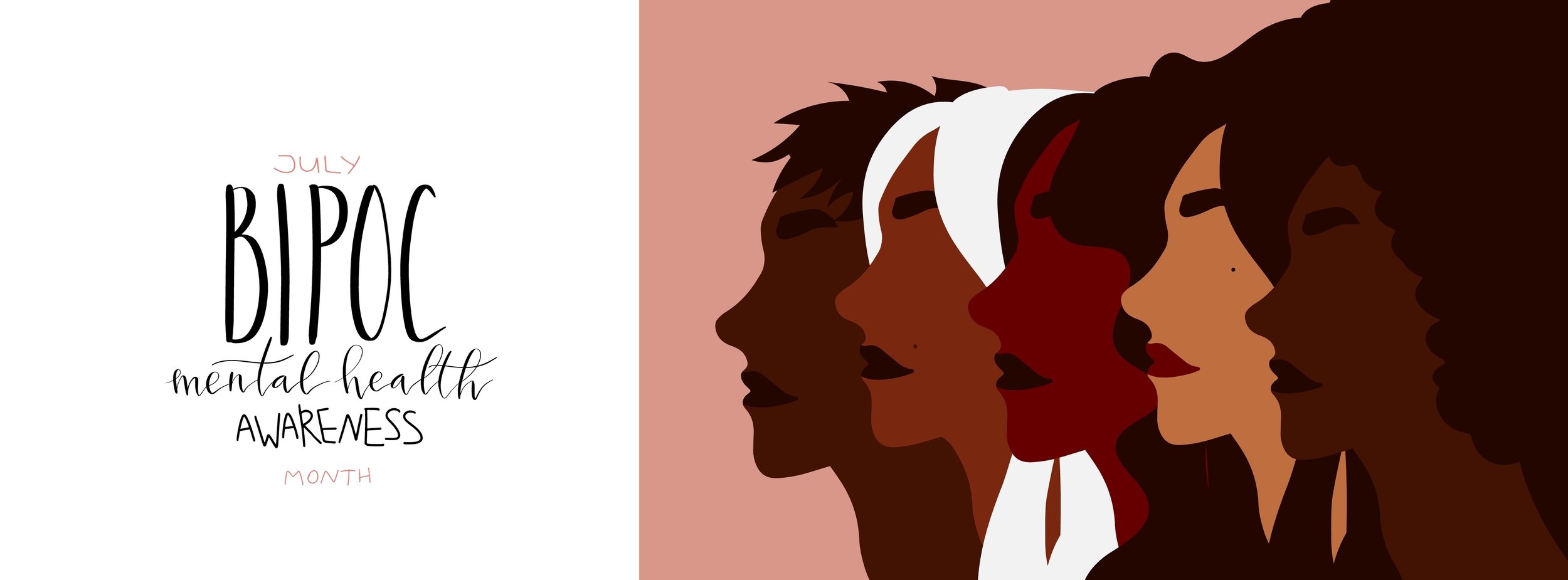
BIPOC MENTAL HEALTH MONTH: REFLECTION AND EVOLUTION
Did you know that African Americans are 20% more likely than non-African Americans to experience depression, ADHD, PTSD and suicide attempts? Or that Asian Americans use mental health services 1/3 as often as whites and Latinx Americans 1/2 as often? July is BIPOC Mental Health Month. It gives us the opportunity to use this time as a catalyst to start having intersectional discussions and share resources about the lack of public awareness of BIPOC mental health issues - in addition to improving access to mental health treatment and services for these diverse communities and populations.
By Erinn Williams, LCPC
Did you know that African Americans are 20% more likely than non-African Americans to experience depression, ADHD, PTSD and suicide attempts? Or that Asian Americans use mental health services 1/3 as often as whites and Latinx Americans 1/2 as often? Wow.
First recognized in June 2008, Bebe Moore National Minority Mental Health Awareness Month was created to bring awareness to the unique struggles that underrepresented groups face in regards to mental illness in the United States. Bebe Moore Campbell was an author, journalist, teacher and mental health advocate who worked relentlessly to shed light on the mental health needs and unique struggles of Black and underrepresented communities. It’s now known as BIPOC (Black, Indigenous, and People of Color) Mental Health Month and celebrated every July.
July gives us the opportunity to use this time as a catalyst to start having intersectional discussions and share resources about the lack of public awareness of BIPOC mental health issues - in addition to improving access to mental health treatment and services for these diverse communities and populations.
The disproportionate prevalence of mental health issues in BIPOC populations are mind-blowing:
17% of African Americans have a mental illness (6.8 million)
15% of Latinx/Hispanic Americans have a mental illness (8.9 million)
13% of Asian Americans have a mental illness (2.2 million)
23% of Native Americans/Alaskan Natives have a mental illness (830,000)
25% of people who identify as being multi-racial have a mental illness
You can view the full BIPOC mental health statistics from Mental Health America HERE.
So, why is this happening and what can we do?
RACISM AND MENTAL HEALTH
Many BIPOC experience a feeling of disconnect to their community due to an assortment of life circumstances including the impacts of racism, marginalization, violence, trauma and other societal factors.
Racial trauma (or race-based traumatic stress) stems from exposure to racist abuse or discrimination. It has the power to affect the way we think, act and feel and can be passed down through generations. Research has shown that by the time a black infant is a year old, they will have higher levels of cortisol (the stress hormone) than white infants, suggesting that they are already adversely reacting to discrimination and bias.
Often experienced daily, but overlooked, this can take a serious toll on mental health, increasing your risk for depression, anxiety, stress, trauma and substance abuse.
Simply put: racism is a mental health issue because racism causes trauma. And trauma is directly connected to mental illness. Racial trauma needs to be heard. It needs to be validated. And it needs to be healed.
BARRIERS TO ACCESS
The impact of trauma on BIPOC and the long-standing effects of racism and bigotry have been built into systems of care, services, and supports that often went and still go unchecked and unmentioned.
This has created a great disparity in access to mental health resources.
According to the National Alliance on Mental Illness (NAMI), white Americans with mental illness are the most likely to receive care, with almost 50% of those in need receiving therapy or counseling. Black and Hispanic communities receive mental healthcare at much lower rates. Of those experiencing mental illness from these two groups, 31% and 33% receive the help they need. Asian Americans and Pacific Islanders with mental illness are the least likely to get help, with only 25% receiving counseling or therapy.
A major hurdle to accessing mental healthcare is insurance. In 2020, about 30 million Americans were uninsured - 50% of those being people of color. This doesn’t take into account the underinsured that might have limited coverage, high deductibles or plans that might not cover mental healthcare at all.
Affordability
Affordability is also a huge barrier to mental healthcare access. Paying out of pocket isn’t a reasonable “fix” for the average person. Therapy sessions can be $100-200/hr and can make or break someone’s ability to seek care.
Proximity to a provider
Proximity can also hinder people from accessing mental health services. When we factor in a long commute to therapy with one’s ability to take time off work or pay for childcare when necessary, it can completely dismantle any prospect of getting to and from a therapists’ office. BIPOC individuals that have a lower socioeconomic status can also face challenges due to limited computer or smartphone availability, making it difficult to take part in Telehealth services.
Even if you have access to a doctor or therapist, you can still encounter discrimination within the health care system. Oftentimes, a lack of cultural understanding or prejudice from medical professionals result in misdiagnosis or inappropriate treatment, which can discourage many from continuing to get the help they need.
People of color and lower income individuals consistently report receiving poorer quality of care. This prejudice can be anything from a medical provider or staff member not believing a BIPOC patient, minimizing their symptoms, refusing certain tests, treatments or medications they thought they needed.
Compared to their white counterparts, Black, Indigenous, and people of color are less likely to receive high-quality care which is culturally responsive and reflective.
It’s important that all aspects of mental health systems reflect the diversity of the communities that they serve.
To promote and be effective in addressing mental health for everyone, we need to highlight, better understand and effectively respond to the wide range of experiences held by people that have diverse values, beliefs and sexual orientations - in addition to various backgrounds such as race, ethnicity, religion and language.
This can make finding a therapist that understands BIPOC patients’ experiences and struggles more difficult.
In Western countries, most mental health professionals are white. Studies show that when a white therapist misinterprets a black client’s experience, it can lead to dangerous misdiagnosis. This is why Black men are much more likely to be incorrectly diagnosed with schizophrenia than their white counterparts.
The Stigma
While we continue to fight to #EndTheStigma, many BIPOC see mental health problems as a sign of weakness or personal failure. Nearly half of American adults still believe seeking mental health treatment is a sign of weakness.
Social stigmas are prevalent among BIPOC, where stories of perseverance and resilience are amplified throughout history. With this mindset, getting help can be perceived as a spiritual or moral weakness. So, instead of seeking help, these individuals bottle up their issues or try to cope alone. This makes it difficult as a person of color, because you’re far more likely to experience negative life events such as poverty, unemployment, incarceration and abuse.
Religious leaders and institutions in BIPOC communities can also play a role in supporting emotional well-being. Unfortunately, some religious leaders run the risk of mistaking mental health problems for failings of faith, often discouraging professional treatment. Because of this, many Native American communities are more likely to seek help from spiritual leaders or healers vs trained medical or psychiatric providers.
NOW WHAT?
We must ensure that all BIPOC individuals and communities receive the support and resources needed to truly thrive. If you are struggling, it’s important to know that you are not alone! Movements continue to push for social change within BIPOC communities, but we still have a long way to go. Whether you have access to professional treatment or not, there are effective self-help actions that can improve how BIPOC protect their mental health, so they can face the future with resilience and optimism.
Try to remember that you are NOT a burden for opening up! If you are experiencing mental health issues, reach out to those closest to you. Our identities are closely connected to the experiences that we share with others of a similar background. If a fear of judgement is getting in your way, try reaching out to a cultural or community center, youth or school counselor or other mental health professional in your area.
By developing a strong sense of your own ethnicity, you can further embrace and take pride in your culture and history. The more you learn, the better you can stand up against prejudice and discrimination - regardless of your background.
If you’re struggling with racial injustice or oppression, it can be tough to stay positive. Allow yourself to feel. Acknowledge even the smallest signs of change and draw from them! In order to change attitudes and policies, it helps to believe that the small changes happening now will eventually become the major changes we want to see in the future.
RESOURCES
This year’s theme for BIPOC Mental Health Month is #BeyondTheNumbers. Here are a few resources to help gain knowledge on historical backgrounds, systems of support and actionable ways to move toward a mentally healthy future:
Coffee Hip Hop and Mental Health
Mental Health Podcasts for People of Color
Mental Health America
NAMI
Hopelessness and Trauma: Breaking Through
Recent tragedies might have you feeling scared or anxious about what the future holds and that’s okay, too. Some of you might experience stress in the immediate aftermath and after a short time, are able to regain control of your emotional well-being. Others might feel unphased following something horrible, but can be triggered down the road, causing the trauma to resurface along with a range of physical, mental, emotional and behavioral reactions.
By Erinn Williams, LCPC
Myself and the ELC team have been hearing a lot about hopelessness lately from our clients. Traumatic events like the recent Roe vs Wade overturn and the Highland Park shooting can take an emotional toll on anyone, causing anger, anxiety, fear, panic (or all of the above, plus more).
These types of feelings are completely normal following any sort of traumatic experience, whether you were there or not. Sometimes, just hearing or thinking about distressing events can impact your mental and physical well-being. Whether you lived through the event itself, witnessed it or experienced traumatic stress following a tragedy, there is no right or wrong way to feel. People react in different ways to trauma and what you think, feel or do is completely up to you!
The recent tragedies might have you feeling scared or anxious about what the future holds and that’s okay, too. Some of you might experience stress in the immediate aftermath and after a short time, are able to regain control of your emotional well-being. Others might feel unphased following something horrible, but can be triggered down the road, causing the trauma to resurface along with a range of physical, mental, emotional and behavioral reactions. Here are a few tips to healing from a traumatic event:
TAKE YOUR TIME
To start, give yourself the space to feel. Take time to try and make sense of the traumatic event. This can include thinking about how and why it happened. How and why you were involved. Why you feel the way you do and even if the experience has changed your viewpoint on important things in your life. You might not feel like your “normal” self right away, but that will eventually pass.
Understanding these emotions and responses that follow a traumatic occurrence can help you cope with your feelings of hopelessness and move through it.
CHANGE CAN BE SCARY AND SAFE
These unpredictable and sometimes unfamiliar emotions are normal reactions to the loss of safety and security that result from a traumatic experience. When something feels dangerous - especially if that danger seems overwhelming and unavoidable - a person’s nervous system remains prepared for danger. When these threats remain unresolved, the body’s survival response becomes more reactive to the threat of danger in the future. This is why trauma survivors often find changes like new places, people or situations extremely difficult because their body interprets these changes as dangers.
You have the power to ground yourself. You have the power to recognize that you can still be safe and present in new situations. First, try focusing on the external - the things that stayed the same even after a change. You can then anchor yourself by focusing on the physical elements around you - what do you see, what do you hear, what do you feel? Objects or items that you can touch can help ground you to the present, safe moment (like stress balls or grounding rocks).
You can also widen your window of tolerance after a trauma by taking a look inside the most important person of all…YOURSELF! Recognize that you have the strength, wisdom and tools to experience change even after trauma.
YOU HAVE THE ABILITY TO SUCCEED
Post-trauma fears are completely natural. Many people look back on traumatic situations and think or feel that they should have done something differently or might fear that they are not capable of succeeding or protecting themselves/others in future situations that require it. But, guess what? It’s possible to reframe and build confidence in your own abilities! All of us have unique skills and qualities that we are naturally good at.
Seek out the moments that you felt strong, powerful and safe. What was it about those activities or actions that made you feel that way? Try to incorporate those skills into your daily life. Challenging yourself with new skills or activities that put you outside of your comfort zone can also help develop self-efficacy when you are able to approach and successfully accomplish the activities at hand. Keep at it! Over time, this can lay the groundwork in your ability to succeed in critical or traumatic situations.
TURNING GRIEF INTO PURPOSE
I want to share a brief story about Nicole Frank Friedman - a Highland Parker, a Chicagoan and US citizen. Sadly, to her and many of our clients, friends and family, that means living in a constant state of anxiety about gun violence every time she drops her kids off at school, goes for a walk through her Chicago neighborhood or stands in line at the movies. She was also at the Highland Park 4th of July parade and was (thankfully) turned away a block from the parade route because her family was running late - just as the shooter began his rampage.
Nicole recently read an opinion piece that said it won’t be gun laws that solve gun violence, but a cultural shift that will. She gave this example: smoke-free laws and regulations didn’t exist until society made smoking unacceptable. It’s this type of thinking, along with second-hand grief from previous mass shootings that drove her to develop JayHay Spray, a cause-driven brand aimed at getting guns out of the toy aisle. She created the prototype for this years ago - a water sprayer that doesn’t resemble a gun. But, after COVID and the recent traumatic events, she decided that she can’t sit and wait anymore to launch it - so Nicole’s channeling her grief to find purpose in this horrendous tragedy.
“Everyone processes their grief differently and has different 'super powers' to lend to the cause. For me, my passion for problem solving and innovation has led me here. While I always knew it could happen anywhere, it still feels surreal what my community - my hometown - is experiencing right now. I'm sad that my endeavor has new momentum and purpose, but I desperately hope it can have an impact,” she said.
Nicole sees Jay Hay Spray as a tool and platform to start conversations that will support causes working to enact common sense gun laws, teach the next generation to have a different relationship with guns and help communities like hers heal after mass shootings.
BREAKING THROUGH THE HOPELESSNESS
Repairing the damage following a disaster or traumatic event can leave many people feeling confused, angry, scared and hopeless - it's okay to feel that way! For some, re-establishing daily routines can provide comfort. Taking good care of yourself and those close to you can also be crucial in working through trauma. It’s also important to:
Sleep! Your body and mind need it
Eat healthy and stay hydrated
Get your body moving
Keep yourself informed with credible sources
Limit media coverage connected to the trauma
Break free of replaying the trauma in your head
Normalize therapy and mental health resources for all - especially men and boys (we'll touch on this in Part 2)
Reach out to your support network
If you’re experiencing ongoing feelings of distress or hopelessness or have trouble getting through your daily activities, it might be time to reach out to a mental health professional to address how you are feeling. Our ELC team is trauma trained and here for anyone experiencing hopelessness and other mental health issues.
Introducing Lara Alkurdi - ELC's Newest Therapist!
We are so excited to welcome and introduce Lara Alkurdi, MSW, LSW (pending) - our newest therapist at ELC! I’ve spent this last week working closely with her and have to say, we (our therapists and clients) are very fortunate to have Lara as part of our team. Her passion and drive to work with those struggling with anxiety and depression and other mental health issues is incredible.
By Erinn Williams, LCPC
We are so excited to welcome and introduce Lara Alkurdi, MSW, LSW (pending) - our newest therapist at ELC! I’ve spent this last week working closely with her and have to say, we (our therapists and clients) are very fortunate to have Lara as part of our team. Her passion and drive to work with those struggling with anxiety and depression and other mental health issues is incredible.
Below, Lara shares a little bit about herself, her experience and what motivates her to elevate the lives of others!

Hello and nice to meet you! I’m Lara Alkurdi and I’m thrilled to be a part of the Elevated Life Counseling team! My passion for helping others is what led me to the mental health field. I’m motivated knowing that I am able to be a resource that can guide my clients through their mental-health journey, resulting in a happier, healthier lifestyle.
I grew up in the Northwest suburbs of Chicago and received my MSW from Loyola University of Chicago. I’m a huge basketball fan and absolutely love going to the gym. It’s the perfect time to declutter my mind, get my body moving and focus on ME!
As a therapist, it is my goal to develop a therapeutic alliance with my clients to work through and understand the challenges and obstacles that you might be facing. Transparency is so important. It begins with good communication and encouraging my clients to explore the full range of their life experiences, along with their sense of self and relationships.
I have experience working with an array of cultures, populations and genders, including those facing depression, anxiety and those that might have mixed-feelings about changing their behavior. Opening up in therapy can be a vulnerable experience and I believe that one of the most important components of effective therapy is making sure that my clients feel safe and comfortable.
I incorporate CBT and strengths-based approaches when working with clients. Change can be difficult and I look forward to helping you find the motivation you need to make positive behavior changes in your life!
If Lara seems like someone you would be interested in working with, please connect with us to book a complimentary consultation. She is currently accepting new clients and available for individual therapy appointments - both in-person and via Telehealth!
Exploring Grief and Sex
People often feel a sense of loss when they realize that sex requires work. This might sound silly, but there is a misconception that sex should be effortless. That it should be easy and organic. Or, if those things don’t come effortlessly, you just aren’t good at “it”. Many people assume that we should be good at sex, however, the reality is that if you want to be a good lover, you have to work for it!
By Erinn Williams, LCPC
When we experience grief, we are dealing with some sort of loss and that emotional response to loss is grief. Grief is a completely normal process, but it doesn’t necessarily have to be affiliated with the death of someone - you can also experience grief over the loss of an idea, an opportunity, a relationship - or in this situation, the grief that comes with exploring sexuality.
People often feel a sense of loss when they realize that sex requires work.
This might sound silly, but there is a misconception that sex should be effortless. That it should be easy and organic. Or, if those things don’t come effortlessly, you just aren’t good at “it”. Many people assume that we should be good at sex, however, the reality is that if you want to be a good lover, you have to work for it!
Here are a few tips to help work through this of type grief:

IT’S OKAY TO BE AVERAGE
Grief is a physical, emotional and cognitive experience - just like sex! So, when the two come together, you can imagine that it can become complicated and tough to navigate.
Stop comparing yourself to media depictions and people in porn. You do not have to compete with mainstream celebrities or sex professionals, especially in the bedroom. Sure, it’s easy to compare yourself to those in the spotlight, but, let them do THEIR job! The truth is, you are not competing against reality, you’re competing against a character, who also has the benefit of a camera crew, hair/makeup, story, script and could very well be trained at their profession, with years of experience under their belt.
Being normal or average at sex is whatever feels fulfilling to you and your partner!
DO YOUR HOMEWORK
Think about this: how do you want to show up as a lover? What are you doing to support that vision? For example, if you want to be a giving lover, do you know what pleases your partner? Do you know what they like the most? How much time do you spend actually giving? How often are you talking about this stuff?
When you are able to recognize your own motives, you might feel less pressure and more control/confidence to create a sex life that fulfills you and your partner.
Research shows that couples who have better communication can also have better sex lives. Good communication doesn’t always lead to good sex, but exploring new things and asking questions can lead to improvements in and out of the bedroom.
Try making a list of everything that you want to try (and things that are off-limits) and ask your partner to do the same. Maybe you’ve both been fantasizing about similar things or you’ll uncover new activities to explore that fill up your love tank - that’s great! Make time to understand each point of view so you can get to know your partner’s love language (and even your own more deeply).
Some people might have trouble initiating sex, talking about fantasies, asking for their partner for more sex or how they can be a better lover. If that’s the case, seeing a sex therapist can be a great place to start! As trained professionals, they can help ask questions that can be useful for figuring out things that might be going wrong in bed - especially when it comes to your grief and sexuality. Just be patient and understand that things might take time.
THINK OF YOUR SEX LIFE ON A BELL CURVE
The majority of sexual encounters tend to be in the middle - meaning they're satisfying, but maybe not always mind blowing. There are going to be other encounters that are on the extremes, meaning sometimes sex will be incredible and sometimes it will bomb. This is all very normal. It's helpful to have a healthy outlook.
Many couples will experience ups and downs of their relationships - including their sex life. Things might start off hot and heavy, but dwindle over time due to many reasons - distractions pop up, your sex drive might be different than your partners and our bodies change as we get older. It’s up to you to keep good sex good. It’s up to you to improve or refresh things in the bedroom. Don’t look at this as a chore, but a sexual opportunity to improve the next phase of your sexual experience. You and your partner are worth the work!
And this goes for individuals that are single, too. A hookup might be great because you were both connected and fully present. On the other hand, a one-time sexual encounter might leave you feeling disappointed or let down if it was messy, embarrassing or only one of you reached orgasm. This is all normal, but remember that sexual expectations can evolve.
If your expectations are keeping you from connecting well with a partner, you probably won’t have as good of a time as you imagined. When you expect so much from sex and don’t meet these (sometimes) unrealistic standards, you could be left feeling inadequate and unsatisfied with both yourself and your partner.
Like all things in life, things might not go according to plan or end with a perfect finish every time. Try adopting a pleasure-based approach when it comes to your sex-pectations. Doing this can help eliminate fears that arise from believing that you must be a sex-pert and know everything about sexual intimacy.
We all deserve to have a healthy, safe and fun sex life. It’s okay if that doesn’t happen organically, don’t give up! Good sex takes work. You might have great chemistry with someone, but that doesn't mean that your sex will be great, too.
Just because you have an unpleasurable sexual experience, doesn’t mean that you’re bad in bed, either! You might have had the best sex of your life, but that also isn’t guaranteed each and every time. Don't worry, you didn't lose it!
When it comes to grief and sex, there isn’t a one-size-fits-all approach or solution, because everyone’s grief is unique and how we respond to it can differ from person to person. Be open, be understanding and put the work in!
BURNOUT AND HOW TO COPE
Feeling exhausted? Lethargic? Do basic work tasks make you feel pessimistic? Maybe you’re so stressed that you find yourself snapping at close friends or family members? If you answered YES to these, you might be experiencing burnout.
By Erinn Williams, LCPC
Feeling exhausted? Lethargic? Do basic work tasks make you feel pessimistic? Maybe you’re so stressed that you find yourself snapping at close friends or family members? If you answered YES to these, you might be experiencing burnout.
Traditionally, we equate burnout with work, but, the effects of it can be felt across multiple areas of your life. When we are always on the go, there are times that our adrenaline is so amped up, that we feel alert and check everything off of our to-do lists. But, when this is a constant occurrence, without any sort of rest or personal time, burnout can become very real.
While burnout isn’t a medical condition, it’s defined as “physical, emotional or mental exhaustion accompanied by decreased motivation, lowered performance and negative attitudes towards others and yourself,” by the APA Dictionary of Psychology. It wasn’t until 2019 that it was officially recognized as an “occupational phenomenon” by the World Health Organization.
When so many of us try to be accessible 24 hours a day - especially when a lot of us WFH - it can make saying NO difficult. Disconnecting in a technology-filled world can also make things more burdensome.

SIGNS OF BURNOUT
Burnout can look different for everyone. It can be caused by feelings of being overworked or under-challenged; time pressure constraints or even experiencing constant conflicts with peers at work. When we commit ourselves to so many things, but ignore our own needs, we can become overextended.
When we also feel like we have no control over our workload and struggle with a work-life balance, we can be at risk of burnout. Common signs include:
It's hard to focus or finish daily tasks
Acting impatient or irritable with those around us
Not feeling satisfied about personal achievements or wins
Your sleep habits change and you constantly feel tired
Physical issues including headaches or stomach problems
Being extra critical on yourself and your performance
Constantly worrying about something bad happening
Many of these symptoms overlap with depression and other anxiety disorders, so it can be tough to recognize burnout. If these feelings diminish once you get away from your work setting, it can point towards burnout vs depression. Depression symptoms don’t necessarily disappear when you remove yourself from the situation at hand.
HOW TO COPE
Oftentimes, we don’t realize we are burnt out until we’ve gone from tired to so exhausted that functioning daily is just difficult. Recognizing that you are experiencing burnout is sometimes the first step in improving your mental health. If it isn’t addressed, it can compromise your work and relationships with those closest to you.
Try to remember that you can only change what you have control over!
Making your mental health a priority is a great place to start. Having a safe space to talk with a trained professional can be life-changing to normalizing the stressful experiences that burnout can cause. Sure, sometimes stress is unavoidable, but that doesn’t mean there aren’t ways to accept and manage it!
Try setting alarms when it’s time to stop a task or work project. To-lists are also important when it comes to aiding you in the process of getting things done, without overstepping boundaries.
It can be tough to find the energy to work out when your tank is already running on fumes. You don’t even have to go to the gym to fit some physical activity into your day that will provide multiple mental and physical health benefits! Take the stairs instead of the elevator, take your kiddos to the park or even take a walk around the block on your lunch break.
Mindfulness is another great concept that helps us be emotionally present. Breathing exercises can be done at the comfort of your desk, couch or when driving your car! I might be doing them right now and you don’t even know 😊
When work-life boundaries are hazy, it can be tough to separate your personal life from your profession. Establishing a healthy routine can be crucial to coping with burnout. Sleeping, your water intake and diet and your social schedule are just as important as work-time. Schedule time for hobbies and relaxation! Creating boundaries can take work, but once you get into the groove of things, accept that pressing stop sometimes is necessary - you'll be closer to achieving your goals.
SETTING BOUNDARIES
With remote work at an all-time high, the boundaries between your personal and professional life can be blurred. One of the best things to mitigate burnout is to define the boundaries between the two! You don’t always need to check and respond to emails at 10pm on a Monday night. You can turn off notifications on your phone during off-work hours so you can focus energy on YOU and the people/things that bring you happiness.
Learn to say NO! Once you establish your boundaries and priorities at work through clear and honest communication, realize that saying no is completely acceptable. Take your lunch break, consider turning down that new project or decline a meeting invite if you are overbooked. Being able to say no is a powerful skill that can keep your goals and boundaries in line!
You’ve also earned the right to take a break every now and then. Sure, it can be challenging to step away from your responsibilities at work and request time off or take a mental health day, but sometimes resting and re-energizing your mind and body can do so much good upon your return! Remember, you deserve the opportunity to unplug your mind and body.
———
Recovering from a burnout can be overwhelming - but it is possible to move past it! Establishing a routine, recognizing burnout symptoms and holding yourself and others accountable for your boundaries are all actions that can help you stay in-sync!
Trauma Bonds
When trauma bonding occurs, it can be confusing, overwhelming and difficult to leave the abusive situation. This can also happen to anyone! You shouldn’t feel embarrassed, weak or incapable.
By Erinn Williams, LCPC
Just leave. Walk away. Move on. For those that have been involved in a toxic relationship (or watched a loved one go through one), it’s sometimes not as easy to break free as you’d think when a trauma bond has formed.
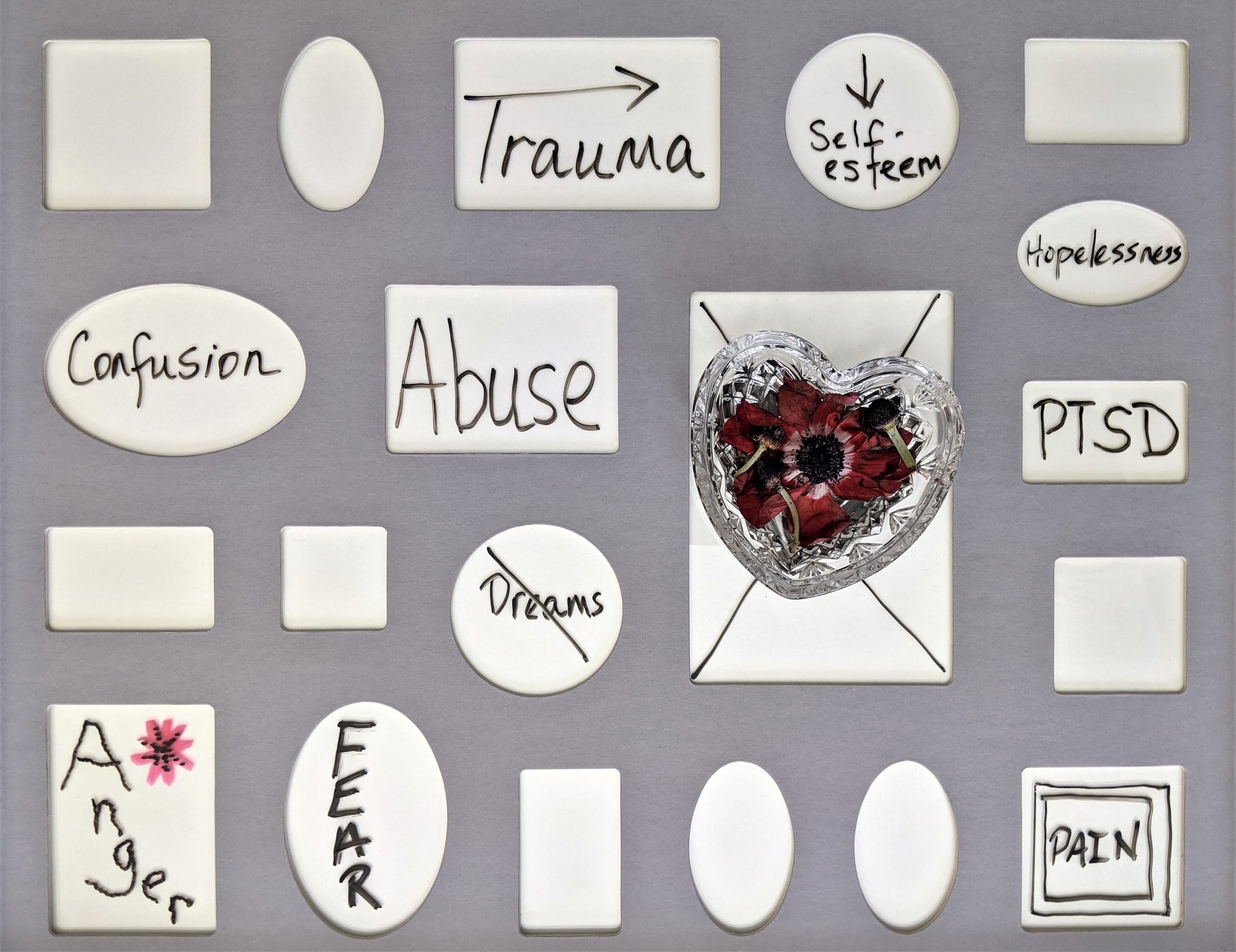
Trauma bonding is an emotional attachment that an abused person feels for their abuser, that develops out of a repeated cycle of negative abuse and positive reinforcement. After the abuse occurs, the abuser professes love, regret and attempts to make the relationship feel like a safe space again. The abuse can be emotional, physical or both. Trauma bonding can happen in a romantic relationship, between family members or friends and in the workplace (to name a few).
When trauma bonding occurs, it can be confusing, overwhelming and difficult to leave the abusive situation. This can also happen to anyone! You shouldn’t feel embarrassed, weak or incapable.
Through this cycle, the abused believes that things will get better, which is why they stay. The emotional dependency and bond to the abuser and relationship can be quite resistant to change.
Our brains can process trauma in different ways. As a result, a trauma survivor can often disconnect from their own sense of self, disregarding their own needs and values.
SIGNS OF TRAUMA BONDING
Unfortunately, trauma bonding can happen in a variety of abusive situations; in both new and long-term relationships. The abusive person can have an extremely charming facade at first. They might blame the abused for their mood changes. They might isolate them from their loved ones. They might repeatedly break promises and switch unpredictably between emotions.
On the other side, the abused person might make up excuses or brush aside the abuser’s harmful actions. They might lie to family and friends about the abuse. They might find themselves altering their behavior to avoid setting off the abuser and over time, grow numb to the abuse itself, basically normalizing it in their mind.
From an outsider’s perspective it can be tough to understand how someone in such a negative situation could still experience feelings of love and dependence for the person or people abusing them. In a trauma bond cycle, the abused holds on to the instances where the abused is kind to them.
Attachment is a basic human need that is important for survival and victims of trauma bonding can become so dependent on their abuser, that they don’t see a way out.
BREAKING TRAUMA BONDS
Escaping from a trauma bond can take time, effort and often professional assistance is needed to help the abused remove themselves from the destructive situation. For the abused:
Acknowledge that you have a choice to leave
Physically separate yourself from the abuser
Stop communication with the abuser
Recognize the signs of abuse
Figure out how you got here in the first place
Identify boundaries for your next relationship
Develop a network of support: friends, family and mental health professionals
Practice self-compassion and care; mentally and physically
Therapy is a fantastic tool for helping move past trauma! When we leave an abusive situation, there are complicated emotions that come along with it. As therapists, we are here to help you understand and guide you through these emotions, not to mention help you see the warning signs of abuse that could occur in future situations.
Remember, abuse is not the victim’s fault and trauma bonding is not the victim’s fault, either! Healing takes time and there are tools to help break down the bonds that once existed in an abusive relationship.
BEING VULNERABLE IN BED
Take a minute, close your eyes, and think about your most memorable, mind-blowing sexual encounter. Were you trying something new outside of your comfort zone? Were you with a partner that captivated you in such a way that you put all insecurities aside? You were raw. You were brave. And you were vulnerable - and it felt amazing! Here are a few tips to help you embrace being vulnerable together with your partner and asking for what you want in the bedroom!
By Erinn Williams, LCPC
Take a minute, close your eyes, and think about your most memorable, mind-blowing sexual encounter. Were you trying something new outside of your comfort zone? Were you with a partner that captivated you in such a way that you put all insecurities aside? You were raw. You were brave. And you were vulnerable - and it felt amazing!
Being vulnerable and being able to ask for what you want in bed has come up a lot lately with my clients.
As humans, we are naturally social. On the contrary, many of us also resist vulnerability - the trait that helps us form close, intimate connections (in and out of the bedroom). Sometimes, we also view being vulnerable as being weak because it can expose us to humiliation or pain that could have been avoided. So, how do we get beyond this and embrace being vulnerable in bed?
Many of us struggle with vulnerability because we often fail to realize all of the ways that we protect and distance ourselves from others. When we resist vulnerability, we’re actually denying the people close to us the opportunity to fully know us. Just remember, you also have control over who you reveal yourself to based on your level of trust with that person - and that includes intimate moments in bed.
Here are a few tips to help you embrace being vulnerable together with your partner and asking for what you want. Before you start, make sure to reinforce a no-judgement, no-pressure zone with your partner.

FANTASY
Both of you write down a fantasy that you have with each other. Try reading it to one another. Or, if you’d rather take a different route (and maybe get your partner in the mood for later), share your fantasy through email or text during the day so you can act it out when you both get home. Encouraging your partner to be vulnerable helps them feel safe and when we make a commitment to it in advance, you can share the same intentions.
TAKE TURNS
Before you dive right in, discuss your boundaries and what is off limits in bed with your partner. Take turns asking for one thing from each other in bed. Partner A asks to be kissed on the neck - and partner B does just that. Then, partner B asks to be told something dirty, and partner A delivers the sexy message. Remember, when you lead with vulnerability, you’re likely to receive it in return. Be willing to be there with your partner in all that they feel during these intimate moments.
TOP 5
Instead of avoiding sexual vulnerability, imagine the level of empowerment that you can experience if you just acknowledged and accepted that it’s there to be enjoyed! Try this. Each partner creates a list of their top 5 favorite things to do and have done to them in bed. Exchange notes with your partner and see where the experience takes you!
———
Vulnerability can also be an important factor to long-term success in romantic relationships because it’s hard to form a connection while remaining closed off. When we are open to and able to experience intimacy and vulnerability at the same time, we have the opportunity to encounter so many benefits that come along with these close connections.
Remember, that being vulnerable in your relationship takes practice, patience and often time. But, the rewards of a stronger couple connection of feeling valued, heard and understood can be well worth it!
THE PRESSURE IS ON: MANAGING PERFORMANCE ANXIETY
A pit in your stomach. Sweaty palms. A trembling voice. A racing heartbeat. Sound familiar? These are all symptoms associated with performance anxiety – a debilitating fear, worry or phobia that is triggered when you feel like you must perform a specific task. The pressure to achieve can be tied to any type of performance, especially when connected to an evaluative component, and sometimes before the task has even begun.
By Erinn Williams, LCPC
A pit in your stomach. Sweaty palms. A trembling voice. A racing heartbeat. Sound familiar? These are all symptoms associated with performance anxiety – a debilitating fear, worry or phobia that is triggered when you feel like you must perform a specific task.
The pressure to achieve can be tied to any type of performance, especially when connected to an evaluative component, and sometimes before the task has even begun.
For some, panic might overtake them when they speak or perform in front of a crowd. Stage fright can happen during a performance on stage, speaking in front of your class during a presentation or even peers in the boardroom at work.
SPA or sexual performance anxiety affects 9-25% of men and 6-16% of women according to research. It’s linked to erectile dysfunction, premature ejaculation and a decrease in libido for both men and women. So, why do so many people experience SPA? A person might be worried about sexual inadequacy. Other factors such as body image, an inability to satisfy one’s partner, or the fear of erectile dysfunction (we can go on) can also occur. This exact performance mindset can lead many men and women to be self-conscious, worried and anxious when engaging in sexual experiences of any kind.
Stress hormones naturally cause our blood vessels to narrow and for men, when less blood flows to the penis, it can be difficult to have an erection. For women, this type of anxiety can prevent natural lubrication when trying to engage in sexual intercourse.
Anxiety before or during a game/athletic competition can interfere with your performance as an athlete. Athletic performance anxiety aka APA can create a difference in how you perform during practice vs how you do during competitions. Sure, a certain amount of worry about your performance can be helpful in competition, but these same negative thought patterns and expectations of failure can also interfere with your ability to compete. The movements required by many athletes can become difficult when your body is in a tense state. This can happen to individual athletes or those who play team sports. It can affect seasoned athletes and amateur competitors.
People can experience performance anxiety with many different situations beyond the three we mentioned above.

THE SYMPTOMS
When it comes to performance anxiety, there’s a real or imagined pressure to perform – and along with this comes physical symptoms.
Feelings of strong anxiety can activate our body’s fight or flight response causing your pulse to race, sweaty hands and nausea - in turn, creating a strong urge or overwhelming desire to leave the situation. Sometimes, this anxiety happens prior to a performance, interfering with your ability to perform at all before you even begin.
The initial symptoms of performance anxiety are often physical. But, these symptoms can also cause psychological symptoms where the performer is worried that people will notice their panic or that they will look bad in front of others. This negative self-talk can even worsen physical symptoms. Mental and emotional signs include irritability, task avoidance and trouble focusing.
The physical list of performance anxiety symptoms is complex and include: racing pulse, rapid breathing, dry mouth and tight throat, vision changes, trembling, sweating, chills
Increased heart rate, increased blood pressure, dizziness, lightheadedness, sweating, dry mouth, chills, pale or flushed skin.
YOU AREN’T ALONE! HOW TO COPE
Performance anxiety can affect people of all ages and experience levels – on stage, in the bedroom, at work or on the field. You don’t even have to be a performer to suffer from stage fright. A job interview or taking a test can also trigger this type of anxiety.
Practice makes perfect, right? When dealing with performance anxiety, it’s not about trying to avoid the anxiety altogether, but knowing what to do when it happens! Here are a few ways to cope with performance anxiety:
Deep breathing and meditation can help calm you down before a performance
Try to understand your triggers and what causes your performance anxiety in advance. Write them down and create a plan to tackle these triggers before they even happen
Allow yourself to feel the experience and try not to think that you’ll fail
Harness your anxiety into excitement! This will help your mind shift from negative thinking to looking forward to your performance
Connect with your audience! Smile, wave and make eye contact
Visualize success and try focusing on the performance vs the potential negative reaction of the audience
A psychotherapist can also work with you to explore the connections between your thoughts, behaviors, and outcomes. These cognitive behavioral techniques attempt to break the cycle of negative self-talk and the physical anxiety symptoms you might be experiencing. A therapist can also help you learn to recognize the triggers that cause your performance anxiety, how to anticipate and prepare for these negative thoughts, and how to restructure these thoughts to help lessen the anxiety.
Remember, performance anxiety can happen to anyone! Barbra Streisand avoided live performances for decades after forgetting her lines – and now performs with a teleprompter to ensure it won’t happen again. Adele uses hypnotherapy before she has a concert. Mark Twain eased his fears by having close friends in the audience to make him more comfortable and at ease. And Lorde calms her nerves via verbal self-assurance and talking to herself out loud before performing.
YOU GOT THIS!
ASKING TOUGH QUESTIONS DURING THERAPY
You should feel comfortable asking your therapist anything. It’s a safe place where you can talk freely with a trained professional – no judgement, no stigma – while receiving mental health help and advice. But, it’s not always easy to open up and ask tough questions. Let us help.
By Erinn Williams, LCPC
You should feel comfortable asking your therapist anything. It’s a safe place where you can talk freely with a trained professional – no judgement, no stigma – while receiving mental health help and advice.
A feeling of safety is an essential component when it comes to opening up to your therapist (in an individual, couple or group setting).
Some of us might be new to therapy. Some of might be beginning a new relationship with a new therapist. Some of us might be embarrassed to ask certain questions that we think are weird or not normal. And some of us might even prefer to search for answers to our questions on Google vs discussing them IRL.
So, what shouldn’t you ask or tell your therapist? Absolutely nothing – you should be able to put everything on the table during therapy! There is no bad question to address with your therapist. If you’re in doubt, they’ll guide you. That is what they are trained to do.
Unless you talk about intending to harm yourself, someone else, child abuse or elder abuse, all sessions are confidential! It is worth noting, however, that your therapist might have a supervisor or a consultation group where your case might come up. If you have concerns about this, talk to your therapist about what parts of treatment are discussed in such settings.
“All in all, safety and trust are the most important part of our ethics and therapeutic alliance,” said Elevated Life Counseling’s, Mark Deremer, LPC, CCTP.
It might be easy to trust your therapist (good for you!). However, that doesn’t always mean it’s easy to ask tough questions or talk openly with them – and that’s completely normal! If you’re having trouble with things happening in your life, being vulnerable can be even more difficult.
HERE ARE A FEW TIPS TO HELP:

WRITE IT DOWN
Before your session, it can be helpful to write down the things you want to address. This can be anything from questions you want help answering or thoughts that are on your mind.
Keeping a therapy journal can help you keep tabs on your discussions with your therapist. This can help you reflect on your session(s) and help your stay accountable for the issues that you discussed. It can even help you find patterns in your feelings and actions that can be brought up in future sessions!
SLOW AND STEADY WINS THE RACE
For some, especially those just beginning their therapy journey, it can be easier to talk about topics that don’t make you feel as vulnerable, until you become more comfortable with your therapist. They are there to listen to you with an open mind and help you get through life. It’s entirely okay to take your time building up trust until YOU feel comfortable to ask the harder, sometimes uneasy questions or topics.
LET YOUR THERAPIST TAKE THE LEAD
Your therapist is there to help you through the healing process. You’re not expected to know what to say at all times! Sometimes, you might not know where to start or what to bring to your session, but your therapist is there to work with YOU to create a safe space where painful or difficult issues can unfold naturally at your own pace. If you run out of things to say or have difficulty opening up – you’re not alone!
If you’re having trouble opening up to your therapist – let them know! With that knowledge, they will work on ways to help build trust and the foundation of your relationship that can help you be more vulnerable down the road. You aren’t the only one in the relationship that needs to ask hard questions and your therapist is there to guide you through the process.
BE AS OPEN AS YOU CAN
Therapy isn’t a one-size-fits-all approach. The more your therapist knows, the better they can understand you and your goals. If you only tell part of the story or reveal just some of the facts, your therapist might think an issue is less or more important than it really is. This can alter your treatment plan.
Sometimes, when we keep things to ourselves, it’s also easier to think that we are the only ones experiencing or feeling the way that we do – that’s not the case! Most likely, your therapist has heard similar stories before. Remember, this is a no judgement zone.
Laying it all out on the table can even make it easier to open up about other difficult truths in the future. If you’ve gone through the process before, you can do it again!
CHALLENGE ACCEPTED
Therapy is tough. It’s hard work. If it were easy, millions of Americans wouldn’t be in therapy. Try to remember why you started or wanted to start therapy in the first place. If you remember these reasons, it can motivate and push you to be more vulnerable. Try asking yourself: what brought me to therapy? What do I want to accomplish? What life do I want for myself?
Sharing your darkest secrets and personal thoughts can be overwhelming. You are brave for being vulnerable and your therapist is there to help you through the healing process!
Masturbation May! Exploring Self-Pleasure
May is National Masturbation Month! It’s totally healthy and completely normal to engage in self-pleasure. It provides an opportunity for us to get to know our bodies better and our own sexual responses - not to mention tons of health + wellness benefits!
By Erinn Williams, LCPC
May is National Masturbation Month! It’s totally healthy and completely normal to engage in self-pleasure. It provides an opportunity for us to get to know our bodies better and our own sexual responses - not to mention tons of health + wellness benefits!
Not everyone masturbates and that’s okay. Some people are committed to their partners and have no interest in self-pleasure. Others might have no sexual urges. Past trauma, religion and one’s cultural upbringing can affect whether someone masturbates. There should be zero-judgement of those that don’t. And for those of you not heading down south on your own, try to be open and let others feel better about masturbation.
SO, LET’S GET TO THE GOOD STUFF!

HEALTH BENEFITS
Research shows that masturbation and other sexual activities leading to pleasure and orgasm trigger the release of hormones and chemicals involved in the brain’s pleasure-reward center. These include:
• Dopamine is an important neurotransmitter known as the “happiness hormone” that makes you feel good and improves your mood.
• Oxytocin AKA the “love hormone”, promotes sexual, social and maternal behaviors associated with happiness. Its release supports well-being, growth, healing and even bonding (who doesn’t love an extra self-love boost)! It is also known to lower cortisol levels.
• Endorphins are the feel-good chemicals that can help reduce pain - also responsible for the rush of pleasure we get sometimes with movement/exercise.
• Serotonin is a neurotransmitter that helps reduce stress. There is also a connection between higher serotonin levels and an increase in mood.
• Adrenaline can lower stress by regulating your heart rate and blood vessels.
• Testosterone is the hormone released during sex that improves arousal and stamina.
Not to mention the overall general health benefits of masturbation such as: aiding in relaxation, promoting better sleep, reducing stress, relieving menstrual cramps, and enhancing self-esteem + body image!
SELF CARE
To some, masturbation plays a key part in their wellness routine - just like getting a massage, going to yoga, or meditating. It’s something that can make us feel better both mentally and physically and is an important step in promoting greater sexual health.
Sexual freedom and the ability to pleasure yourself is so important. It can provide a sense of independence, yet parts of society still view it as taboo or shameful. Realistically, masturbation can be a powerful tool that can help us become more comfortable in our own shoes and with our sexuality - promoting self-acceptance and boosting self-esteem.
Try making a weekly date with yourself. Draw a bath, but on some relaxing music, light a candle and grab your favorite vibrator. Giving yourself a little me-time can help you reclaim our own sexuality — on our own terms!
Caring for your own needs can and should be a priority. It’s not self-indulgent or even selfish because the more comfortable we are with our own bodies, the easier it is to communicate our needs, desires, likes and dislikes, to others - in the bedroom and out.
BETTER AT SEX
Masturbation is a great way to build a deeper appreciation of how your body works and how amazing it really is! It helps us understand what our bodies like and don’t like, plus, how we react to certain touches and stimulations. It can increase our openness and comfort levels when it comes to talking about sex and our bodies with our partners and even friends, doctors, etc.
Self-exploration can make you more attuned to sensual touch - which can boost sexual confidence WITH a partner! Studies have shown that a negative perception of your body can ultimately alter your libido, too.
Try to explore yourself and all your erogenous zones before heading down south. It’s natural and it’s normal. When you’re comfortable, mutual masturbation can be a safe way to get intimate with your partner by giving the other person a glimpse into what feels good and how to do it, adding another activity to spice things up in the bedroom!
The best way to strengthen muscles is to exercise - and when females masturbate, they are doing just that by strengthening the pelvic floor muscles at the same time - leading to better sex and more orgasms.
Masturbation isn’t new. Ancient Greek poetry described women pleasuring themselves and archaeologists have found dildos dating back 30,000 years! Try to remember that no two sex lives are the same – and that includes solo and sex with a partner.
There is no right or wrong way to masturbate. You don’t need to do it daily or even monthly to experience the benefits surrounding the act of self-pleasure. And if you do – that’s great!
Masturbation can provide ongoing awareness and information that will help you enjoy and improve sex throughout your life. Just remember, your pursuit of happiness and sexual pleasure is normal and ENCOURAGED.
Managing Eco-Anxiety & Climate Grief
As humans, our brains are wired to experience fear and anxiety. It’s natural to feel scared, discouraged, helpless and even angry when we feel a loss of control - and that includes facing environmental issues. This can make it difficult to accomplish tasks and even have a negative impact on the way some people face the future. Here are a few tips to help tackle eco-anxiety and climate grief.
By Erinn Williams, LCPC
As humans, our brains are wired to experience fear and anxiety. It’s natural to feel scared, discouraged, helpless and even angry when we feel a loss of control - and that includes facing environmental issues.
When we turn on the TV or scroll through social media, it’s commonplace for us to see or hear some form of coverage on the environment, climate change or natural disasters. This can be scary stuff for anyone to process - especially for individuals trying to manage eco-anxiety or climate grief.
People that suffer from eco-anxiety have a fear of environmental damage or ecological disaster. It’s largely based on the current and predicted future state of the planet and human-induced climate change. This can directly affect one’s mental health and the lack of control that accompanies it can cause debilitating anxiety, depression, PTSD, reduced feelings of control and substance abuse (to name a few).
The American Psychiatric Association (APA) recognizes climate change as a growing threat to mental health. For someone suffering from eco-anxiety or climate grief, it can be tough to find a balance between respecting the earth and making it a better place, while also practicing self-care and taking control of their own mental health. This can make it difficult to accomplish tasks and even have a negative impact on the way some people face the future.
Here are a few tips to help tackle eco-anxiety and climate grief.

VALIDATION
Anxiety happens when our body reacts to perceived threats with a fight or flight survival instinct. We often think of these threats as irrational fears or things that are highly unlikely to occur (like dying from a spider bite or getting struck by lightning). The difference here is that eco-threats are actually happening. These threats might seem far away or even immediate, but the effect on our mental health is still very present. It’s 100% reasonable to be scared of changes in the weather or the destruction of human and animal habitats as a result of the environment and the people that live here. But, you can try to limit the overwhelming or debilitating feelings you are experiencing.
There are many emotional, behavioral and cognitive strategies to help cope. One part of managing your own eco-anxiety is to validate it! When we acknowledge our eco-anxiety (or any anxiety/grief for that matter), it can help make sense of where these anxious and distressed feelings are coming from - instead of just trying to jump into accepting them and moving on.
PRESS PAUSE
If you are feeling powerless and overwhelmed about the ecological crisis, it’s okay to disconnect! Eco-anxiety can be triggered by media stories on environmental and climate crises or even by the human efforts to tackle them. Try not to doom-scroll, but disengage from media coverage or other negative ecological exposure to give yourself a much-needed break.
By taking mental breaks, it gives us time to restore a sense of balance. You can even focus on a few environmental issues vs the climate crisis in its entirety.
EXPLORE TANGIBLE LIFESTYLE CHANGES
Research shows that many people are anxious about how their personal behaviors impact the earth - such as the products they buy, the food they consume or forms of transportation they use to get from point A to B. Sometimes, this extreme state of worry makes it hard to think about anything else and that's okay!
Try focusing on the present environment and what you can change at THIS moment. Make a list of the things that you have control over and take actionable steps towards positive change. While eco-anxiety can influence feelings of helplessness, you can still explore personal lifestyle changes that can help the environment and your mental health.
Most of us understand that things like climate change can affect society’s health via pollution, disease or a lack of food. It’s a global concern but also a personal one. Everyone is connected to the planet whether they want to admit it or not. So, what can you do? Start off focusing on small and easy things that can make an impact.
Make an effort to cut down on your consumption! As kids, many of us learned: Reduce, reuse and recycle! Before purchasing something, try asking yourself if you really need it - is there another sustainable option out there? You can also make an effort to reuse things! Grocery bags from the store, refillable water bottles. Starting a garden or compost at home is another great way to improve your carbon footprint.
YOU ARE MAKING A DIFFERENCE
When we focus on the extremes, panic can overtake us - it’s a natural, instinctive reaction to a threat. Instead, try focusing on this: you are part of the solution, rather than the bigger problem! No matter how small you think your contribution to the environment is, it’s still that - a contribution! You are making a difference.
Just remember, you can always find ways to cope with the effects of eco-anxiety and climate grief. Harness that knowledge and power to find new solutions for the environment and your own well-being.
Cheating and Forgiveness
Cheating can hurt. It can be devastating to everyone involved - the partner that was cheated on, the cheater and the relationship. When many couples enter a new relationship, they do so with the mutual understanding of fidelity and respect. When that fidelity turns into infidelity, things can get tough. Lots of people assume that cheating ultimately means that a relationship is over, but that’s not always the case.
By Erinn Williams, LCPC
Cheating can hurt. It can be devastating to everyone involved - the partner that was cheated on, the
cheater and the relationship. When many couples enter a new relationship, they do so with the mutual understanding of fidelity and respect. When that fidelity turns into infidelity, things can get tough.
Lots of people assume that cheating ultimately means that a relationship is over, but that’s not always the case.
So, how do we approach learning how to forgive someone after cheating? To some, this form of infidelity is the ultimate form of disrespect and many individuals cannot get past it - and that’s okay. But, some want to make an effort to put the work in to attempt to salvage their relationship. For this, it’s important that both partners are committed to healing and the possibility of a reconciliation. Just remember that relationships are different and everyone deserves to make their own informed decision about how to move forward.
FORGIVENESS + TRUST
It’s 100% normal and acceptable to experience mixed feelings after being cheated on. You might be angry, betrayed, sad, devastated; which in turn, can make it harder to forgive a partner.
Working through these feelings and trying to let go of anger and resentment are great steps in your journey to forgiving a cheating partner. If these feelings aren’t processed correctly, it can actually be harder to heal yourself. It can be a struggle to heal when you’re consumed by the pain and anger caused by infidelity.
Building trust takes time in a new relationship - so does rebuilding trust after a partner cheats. Oftentimes, forgiving a cheating partner means that you might have the capacity and willingness to do so, but trusting your partner might take some time (or it might not ever happen, and that’s also normal).
Trust and forgiveness are in fact two separate occurrences. You can forgive, but that doesn’t automatically mean that trust is present. Forgiveness might seem like the easy way out at times, but try not to rush this process. It can cause pain and even more distance between both partners.
Forgiveness can help a partner find relief from the pain of being cheated on and trust can help a forgiven partner find a sense of release from the guilt of their infidelity. Try to be open to yourself and each other. This can help uncover any underlying issues/problems in a relationship.
This recovery can be a complicated process and it takes both partners willing to rebuild the relationship to build this trust again.
SELF-WORTH
Cheating can also harm a partner’s self-worth, causing the recipient to doubt themselves or think that something they did wrong drove their partner to cheat. In reality, there can be many reasons why people engage in cheating and oftentimes the act of it has nothing to do with you. The opportunity might have been right. Alcohol might have been involved or the partner wasn’t invested in the relationship as much as their counterpart.
When we don’t process feelings properly after an instance of infidelity, a betrayed partner can sometimes experience the same or similar symptoms as Post-Traumatic Stress Disorder. Symptoms can include unstable emotional regulation, going back and forth between feeling numb and feeling anger, repeated intrusive thoughts and feeling broken (to name a few). This same trauma might even uncover or trigger unresolved damage from the past, complicating the healing process even more.
It is possible to feel whole again! You are not alone and are still the same amazing human that you were before your partner cheated. Try to understand that it had nothing to do with YOU. Work hard to rebuild your confidence and try thinking constructively to squash negative self-thoughts by turning things you’d like to change into goals.
A CHEATER’S ROLE
It’s natural that a person who cheats can expect their partner to be unhappy or deeply upset after the incident. If you decide to try and rebuild your relationship - being transparent with your partner and reassuring them that nothing negative is going on behind their back might be commonplace for quite some time.
To help with the healing, the cheating partner needs to try and put aside the actions and feelings that caused them to stray in the first place - understanding the act of betrayal itself. What drove them to the affair? Was the relationship lacking an emotional or physical connection? Is there an underlying issue that caused this behavior?
If the cheater can make an effort to fully commit to work through their significant others’ frustration, pain or even retaliation AND own up to their own actions, it can be possible to rebuild trust and the relationship. This needs to be treated as an important life event. It can hurt, but the outcome can help one grow.
HEALING AFTER CHEATING
Couples might be able to address and work through these issues on their own to forgive - and that’s great! For others, this complicated process might need a little bit of help - and that’s great, too!
Therapy can help both partners in a cheating relationship repair lost trust and forgive one another. Oftentimes, through counseling, couples can uncover the root of the breakdown of the relationship and realize how strong their love and bond truly is - and that their relationship is worth saving. On the contrary, even if a couple wants to make things work after a partner cheats, it might not be fixable - but that doesn’t mean that you didn’t give it a try. Different people can tolerate different things. Cheating might be limited to one occurrence or it might have happened multiple times. This all matters when it comes to the healing process.
If you are conflicted about your partner that cheated, your relationship, yourself - or all of the above - it might be time to talk to a therapist who can help guide you (individually or as a couple) through the healing and recovery process of cheating and forgiveness.
The outcome might surprise you! Valuable lessons can be learned from the past that help you communicate effectively and honestly with your partner more than ever before!
Toxic Masculinity Part II
Despite how far we’ve come in breaking down male gender norms over the last few decades, men are often expected to act tough and aggressive, never lose, show no emotion or not do anything that could be considered weak - in order to be “masculine”. Because of this, many men struggle to define their masculinity and themselves as men in a culture that can stigmatize things like sexuality, aggressiveness or dominance.
By Erinn Williams, LCPC
Despite how far we’ve come in breaking down male gender norms over the last few decades, men are often expected to act tough and aggressive, never lose, show no emotion or not do anything that could be considered weak - in order to be “masculine”. Because of this, many men struggle to define their masculinity and themselves as men in a culture that can stigmatize things like sexuality, aggressiveness or dominance.
In February, we tackled Toxic Masculinity in our current culture and shared tips on reframing masculinity in a healthier way. In part II of this series, we’re shining light on the difficulties that women have holding space for men that don’t quite fit society’s picture of masculinity.
In reality, there is no right or wrong way to be a man. There is no right or wrong way to be a woman. Yet, ideas of masculinity continue to be restrictive, placing pressure on men of all ages to bury their feminine qualities - both physically and emotionally.
So, why are some men more feminine than others? It could be their upbringing, kind nature or even just a passion for self-care and grooming. There are also many women and men that are comfortable dating a man who has feminine traits that he is proud of - like empathy and sensitivity.
We’ve all heard the saying, “beauty is in the eye of the beholder.” So, how can women be more accepting of boys and men that don’t exhibit the epitome of what our society deems masculine?

CHALLENGING MYTHS
Did you know that we all have masculine and feminine energy?! We need to remember that being sensitive or caring is not exclusive to one sex. Men can be kind and also tough - just like women! A strong man is someone who is conscious of all of his actions - including feminine energy.
We are born into society and often inherit the belief systems of those around us. These systems - both behavioral and psychological - need to be confronted and addressed - especially if we want to unlearn some of these societal norms / myths.
Challenging beliefs can be hard, especially if you don’t notice what you’re doing in the first place. You might feel threatened or vulnerable and that’s OK! Noticing a false belief is the first step in unlearning it through conscious effort and participation with those around you.
Try deconstructing common myths surrounding feminine and masculine energy. Why do you think that? What work is needed to change these beliefs? Try being around people that challenge you! What can you learn from men that have a well-developed feminine side? Or on the contrary, what can you learn from women that exhibit masculine qualities?
POSITIVE MASCULINE ENERGY
This right here! Positive masculine energy can be associated with strength, stability, purpose, achievement and power (the list goes on). Try thinking about masculinity in a new way that includes everything that COULD BE A STRENGTH. Not just being tall or having big muscles.
If we are able to redefine the limits of our own desires to encompass more qualities - we might start to understand that a man can still be desirable if they lack the qualities of a physically or mentally strong person.
Instead, these combined strengths and energies can create something special and unique.
INTEGRATION
A study from 2015 showed that when male leaders asked for help, they were viewed as less competent, capable and confident in the workplace. This perceived “weakness” can in turn give the perception of a lower status. But, when females approached a similar situation, the opposite was perceived. Because of this, men often associate seeking help with a fear of being judged or appearing weak to society. This is not the case!
Masculine energy is associated with stability and reliability, while feminine energy is often the energy of change and transformation. Why can't we have both?
If we want to be more accepting of feminine traits and energy, we can start by inviting and finding ways to incorporate a balance of both feminine and masculine energy into various life situations (the workplace, social encounters, political arenas). This integration can be powerful, helping us learn about our own strengths and weaknesses, and how others can help fill in those voids.
As a society, we need to make an effort to teach others to value their authentic and genuine experience of themselves. You can still be a man and be feminine, and it’s up to all of us to work towards making this idea the norm in our society.
Exercise and Movement To Support Mental Health
Beyond the more common benefits of exercise - improving cardiovascular health and overall strength - exercise and movement can buff up our brains, too. Known as a natural mood booster, exercise is proven to increase our endorphin levels, naturally lifting our mood. In fact, mindful exercise and movement therapy are both frequently integrated into many mental health treatment plans. It can help us manage symptoms of depression, reduce cognitive issues and alleviate anxiety and stress.
By Erinn Williams, LCPC
How great is it that we can nurture our mind at the same time as our body?! Beyond the more common benefits of exercise - improving cardiovascular health and overall strength - exercise and movement can buff up our brains, too. Known as a natural mood booster, exercise is proven to increase our endorphin levels, naturally lifting our mood. In fact, mindful exercise and movement therapy are both frequently integrated into many mental health treatment plans. It can help us manage symptoms of depression, reduce cognitive issues and alleviate anxiety and stress.
Exercise also doesn’t mean just running on the treadmill or lifting weights! It’s really anything that gets us moving! Try going for a walk during your lunch break or dancing while making dinner in the kitchen - all types of physical activity can help you release stress!
So, how do you get started?
GET MOVING!
There are four kinds of exercise: endurance, strength, balance and flexibility. Research shows that an average of just 150 minutes of moderate physical activity each week can help boost energy, socialization, fight sickness and improve your overall emotional wellbeing. It’s important to engage in the type of exercise that YOU enjoy!
If you aren’t a fan of the gym, that’s ok! Try taking the stairs instead of the elevator or even walk to the store instead of driving. Physical activity has profound effects on the structure of our brains - specifically in the regions most affected by depression and schizophrenia.
Yoga is a low-impact form of exercise that has been shown to lower stress hormones in our bodies while increasing beneficial brain chemicals like endorphins and GABA (gamma-aminobutyric acid). These feel-good chemicals help decrease anxiety and improve mood. Over time, the effects of yoga are believed to even slow down the natural aging process of the brain that can alter memory and cognition as we get older. The benefits of yoga have led to it being a well-regarded practice tool of psychotherapy.
Running is known to control stress and boost the body’s ability to deal with mental tension or issues. The chemicals released during and after running can help calm anxiety symptoms (we’ve all heard of “runner’s high”). This type of cardiovascular exercise can also create new brain cells to help improve overall brain performance - boosting creativity for up to 2 hours post run!
Mindful Movement refers to engaging in different exercises while placing all of your attention on the movements of your body and your breathing. When we practice mindfulness, we are training our attention to stay in the present moment instead of wandering off with our thoughts into the past or future. By keeping our attention in the present and bringing it back each and every time it wanders off, we are training the brain networks we use to control our attention. Try Tai Chi, Qigong or even just walking outside!
DMT, known as Dance/Movement Therapy is a type of therapy that uses movement to help individuals achieve emotional, cognitive, physical and social integration to help reduce stress and manage your mood. It can be conducted in groups or individually. Dance/movement therapists assess body language, non-verbal behaviors, and emotional expressions, helping people work on issues through the use of a “movement vocabulary” that is centered around physical expression instead of words. Sometimes, just busting a move is a great way to lower stress and anxiety - while getting to the root of many underlying issues!

Pro Tip: start slow and monitor your progress! Remember to track the benefits you feel post-exercise. This will help you see the connections between movement and how it makes you feel. Most importantly, have fun! It’s easier to stick to activities that you actually enjoy.
SELF-ESTEEM
Exercising can make you feel more comfortable with yourself and increase your self-confidence. According to research, physical activity is directly and indirectly associated with self-esteem. Feeling confident about your body and its capabilities can help people who struggle with many mental health issues. When you feel better physically, you start to feel better mentally! Movement and exercise incorporate setting and achieving goals - and when you achieve these goals, you naturally gain a sense of accomplishment - giving you the emotional stamina you need to seize the day.
SWEET DREAMS
Regular movement and exercise can even help us sleep better at night. Studies show that short bursts of exercise in the morning or daytime can help relax your body later at night, helping you get a good night’s sleep so you feel refreshed throughout the day. So, how much exercise do we need for better sleep? The good news? Studies show that individuals who spend at least 30 minutes doing moderate aerobic exercise may see a difference in sleep quality that same night!
Your mind and body are well-connected. Our brains might be the master control system for how we move our bodies, but try to remember that the way you move can also affect how you think and feel! Regular movement and mindful exercise can do so much for your body, mind and spirit - regardless of your age or fitness levels.
Sex Ed - How Your Upbringing Can Effect Your Sexuality As An Adult
The controversy surrounding adolescent sexual education has been going on for years. Many oppose it all together, where other programs might focus solely on abstinence-only-until-marriage messaging; failing to provide young individuals with basic information on disease-preventing methods, unintended pregnancies, sexuality, and pleasure. Down the road, this can have an effect on how you handle relationships. How you handle boundaries and consent. How you handle desires.
By Erinn Williams, LCPC
Raise your hand if you had some sort of sex-education as a child in school or within your community? Do you remember what it covered? Who taught it? Was it sex-positive material? Did it make you feel embarrassed and shameful about your sexuality?
The controversy surrounding adolescent sexual education has been going on for years. Many oppose it all together, where other programs might focus solely on abstinence-only-until-marriage messaging; failing to provide young individuals with basic information on disease-preventing methods, unintended pregnancies, sexuality, and pleasure.
Down the road, this can have an effect on how you handle relationships. How you handle boundaries and consent. How you handle desires. Just because you were taught that something is wrong or taboo when you were younger, doesn’t necessarily mean that it is. And this holds for the opposite side of things, too. Just because you were taught that you should do something one way because that is how society views and accepts it, doesn’t mean that following a different path isn’t what is right for YOU!
Discussions about sexuality and adolescents can bring out heavy emotions for some - and that’s ok! It can be uncomfortable. You might have strong opinions. Try going into it with an open mind.
Everyone should be entitled to factual, comprehensive sexual education, but that isn’t always the case. Often times, sex education curricula can stigmatize pregnant or parenting teens vs. providing support to young people and their families. It can also stigmatize the LGBTQ community or sex-forward actions and thoughts.
Some children might not be getting any form of sex education. Others might be receiving it, but in the form of often shameful or abstinence-focused curricula. When it comes to you personally, there is nothing to be ashamed about. Sexuality plays a huge role in who we are as humans. Having access to accurate and complete sexual education can help young people make responsible decisions about sexual behavior and health throughout their lives - both socially and emotionally.
Sex education CAN teach us:
To appreciate our bodies
How to affirm our own sexual orientation and show respect for others
To express sexuality in our daily lives
To develop and maintain meaningful relationships with all genders / sexual orientations
How to effectively communicate our needs, wants and desires to our partners

Currently, only 29 states and District of Columbia mandate sexual eduction. 35 states require that schools stress abstinence when sex ed instruction is provided. 9 states require sex ed to include information on consent. And 7 states have policies that include affirming sexual orientation instruction on LGBTQ identities.
Different sexual orientations are natural. As adolescents, gender experimentation can be a common urge. It doesn’t make anyone weird or socially-unacceptable. Sometimes, sex ed courses don’t teach us how to affirm our own sexual orientation, while showing respect for others at the same time.
At the end of the day, sex is not a reflection of your value as a person. Sexual experiences can be different for each of us and you have a right to learn and explore them safely. We’ve all heard “wait until you’re married.” But, putting a ring on your finger doesn’t always resolve any insecurities surrounding your sexuality, especially if you haven’t explored the emotional needs of various types of relationships, yet.
There is so much more to sex education than just the biology of it! Some of you might have even learned about the birds and the bees from your parents. You find a person of the opposite sex, fall in love, get married and have babies. That’s fantastic. For others, sex ed curriculum might have focused on the psychological significance and social understanding of being sexually active. The meanings of sex, setting clear expectations and boundaries, communicating sexual desires and dealing with awkward moments and shame when it comes to sex-related topics. If you encountered the latter, bravo! I hope that it made you open to new sexual experiences, desires and relationships!
If you’re still learning and exploring your sexuality, bravo to you, too! I encourage you to keep learning and exploring. There is no one-fits-all approach to your own sexuality and it can evolve over time.
Online Dating and Anxiety
Online dating and social media can be tough to navigate. Naturally, both can bring about fear and suspicion that the person you are chatting with might not be who they say they are. This can create feelings of self-doubt, anxiety, depression and fear of the unknown. Once someone is emotionally-invested, these experiences (even if not in-person) can lead some of us to question our future decision making capabilities, causing trust issues and even emotional/psychological damage.
By Erinn Williams, LCPC
Technology has changed how we connect with others – and that includes how we might find love. Tinder, Hinge, OKCupid, Bumble, Her. The list goes on and on.
To some, this is a great thing! Dating apps give us the opportunity to connect with people locally and all over the world! They can provide the chance to interact with someone that you might not have ever had the opportunity to connect with in your day-to-day life. They can also give us a jolt of confidence that we might not normally have had in a real-life first encounter.
Some people might be seeking some fun with a casual, sexual experience. On the other hand, some individuals go into online dating with intentions to start a relationship that could end with a life partner. We’ve all heard fairy tale stories of online dating that end in finding that special someone; but, we’ve also heard horror stories about catfishing, lies and manipulation. The unknown can be scary and that’s ok.
Online dating and social media can be tough to navigate. Naturally, both can bring about fear and suspicion that the person you are chatting with might not be who they say they are. This can create feelings of self-doubt, anxiety, depression and fear of the unknown. Once someone is emotionally-invested, these experiences (even if not in-person) can lead some of us to question our future decision making capabilities, causing trust issues and even emotional/psychological damage.
If you’ve seen Netflix’s Tinder Swindler, you know exactly what I’m talking about. The documentary introduces us to an alleged master con artist, who emotionally, promised the world to his connections he met on Tinder – lavish apartments, vacations around the globe in private jets and the dream of starting a family together. He shared intimate stories, videos, phone calls and messages, giving his online prospects a glimpse into the life of someone that didn’t really exist.
Like many people who get catfished or scammed via online dating, these women truly believed that the Tinder Swindler was a great guy. He took the time to build the trust and love that many people are searching for with a partner. But, after that, he used fear and manipulation to control them, causing many of them lasting financial and emotional abuse.
Stories like this can make many people anxious about online dating, and rightfully so.
For those already experiencing depression or anxiety, online dating might make these symptoms worse. Those seeking validation in a relationship can be more vulnerable to rejection. According to a recent study from the University of North Texas, Tinder users actually experience more mental health problems than non-users.
So, how do you overcome the fear of getting rejected or the fear of the unknown when it comes to online dating?
Try starting the process of online dating with the right mindset.
Worried that people are going to judge you – don’t! Online dating has become a mainstream way of meeting potential partners. You’re in good company with the other 44 million online dating users in the US.
Scared of rejection? This is a real and sometimes, unavoidable. Accepting the fact that you might not be compatible with your online dating match (yes, that is ok), is sometimes all that you need to cope with this fear. It doesn’t mean you are flawed, rather a mismatch with a potential partner. Facing these fears can actually be empowering!
Horror stories like the Tinder Swindler can be scary. That doesn’t mean that everyone out there is a bad apple. Anxious to meet your match? Meet in a public space and don’t share too much personal information about yourself. Try to remember that talking online and on the phone is different than meeting IRL. Things take time. Pay attention to the intentions of your match from the get-go. It’s easier to spot red flags if you are mindful from the start.

Make your expectations clear – with yourself. If your goal is to meet someone that you can build a long-term partnership with, don’t get sidetracked by compliments, sex and other “shiny objects”. If you’re looking for just a fling, good for you! Make sure you can handle the emotional consequences of sex.
Open up gradually. Some daters might feel that it's a positive thing to share intimate details about their life right away, as it shows a willingness to be vulnerable and to get closer faster. However, emotionally dumping on someone in the first few dates can actually be the opposite of vulnerability and at times put people more at risk. Instead, try gradually revealing yourself over time. The real vulnerable thing to do is to connect to your emotions as you begin to share the more intimate or painful parts of your life.
A lot of people get nervous before going on a date or starting a new relationship. Just remember, you are in control of how YOU want to date! You are an amazing person and not everyone you date will end in a lifelong connection. Take your time and be honest about expectations. Talk to your friends, family or therapist about your online dating fears and anxieties. If your feelings are affecting your happiness, help is out there if you need it.
Protecting Your Mental Health During Times of Crisis
We have more access to news than ever before – mainstream news channels, social media platforms, radio and podcasts. We also have more ways to consume this information – laptops, computers, phones, tablets, Alexa (the list goes on). Right now, it can be hard to stop scrolling through our newsfeeds and timelines for constant updates about what’s going on in the world. It's scary stuff and you can often get sucked in, easily. There are multiple ways to protect and improve your mental health during times like this (remember, you’ve already gotten through two years of the pandemic – you’re stronger than you think)!
By Erinn Williams, LCPC
We have more access to news than ever before – mainstream news channels, social media platforms, radio and podcasts. We also have more ways to consume this information – laptops, computers, phones, tablets, Alexa (the list goes on). Right now, it can be hard to stop scrolling through our newsfeeds and timelines for constant updates about what’s going on in the world. It's scary stuff and you can often get sucked in, easily.
If you’re currently feeling anxious or helpless right now, you’re not the only one! Like so many of us, turning to this 24-hour a day news cycle, trying to decipher what is factual vs fake news and seeing what is unfolding in Ukraine and other parts of the globe can leave us feeling anxious, angry, helpless, and even sad.
It’s so important that we learn to nurture our mental health during stressful, life-changing global events.
Naturally, as we see or read about the destruction and uncertainty unfolding in Ukraine, our anxiety and fear levels can understandably intensify. Traumatic and stressful experiences can put individuals at a greater risk not only for poor physical health, but tough mental outcomes such as depression, anxiety and PTSD. This can happen to someone directly or indirectly experiencing any type of trauma.
There are multiple ways to protect and improve your mental health during times like this (remember, you’ve already gotten through two years of the pandemic – you’re stronger than you think)!

LIMIT SOCIAL MEDIA USE
Being in front of a screen can be a major temptation. A lot of us are already spending more time at home remote working; spending increased time in front of screens. Raise your hand if you’ve caught yourself scrolling more than before? It’s OK, I’m guilty myself! A recent study showed that the average adult spends a little over 3 hours per day on their phone – checking it on average 58x per day!
This can be hazardous to our productivity and overall mental health – try taking control of your digital well-being by:
• Tracking your screen time
• Doing a device-cleanse and removing apps or programs that you don’t trust or might be causing distraction
• Turning off notifications
• Allotting times for no electronic devices
• Resisting the temptation to check your phone first thing in the morning, right before bed and during the middle of the night. Poor sleep quality can affect your mood.
• Doing your best to get your news and information from reliable sources and social media channels.
Try starting this week – National Day of Unplugging (yes, it’s a thing) – is March 4-5. When you unplug, do something that you know brings your joy or reduces your stress – like meditation, journaling, working out or other mindful activities.
PRACTICE MINDFULNESS
Meditation, yoga and prayer are all great ways to help focus your attention on the present moment vs the unknown or other catastrophic world events you might not be able to directly control. It’s been found that mindfulness – the practice of observing what is both inside and outside of ourselves, moment by moment – can improve mood and vitality, increase happiness, battle depression, anxiety and stress! No matter what, try to remember that the emotions that you might be experiencing right now are normal and everyone reacts to circumstances in different ways.
SUPPORT
The mental aspects of war can be catastrophic. Times of crisis often give us a chance to come together as a community and doing so can build important memories, by providing a sense of support and belonging. You can find safety in the comfort of others. Often connecting or reconnecting with one’s cultural identity via social gatherings, cultural or spiritual, is a great place to start. Hearing what others are experiencing can help individuals feel that their emotions are heard, valid and accepted. Spend time with other families that are or have experienced similar tragedies. Also, conversations about non-war topics should also NOT be ignored.
If you have kids, be honest to them about what is happening (age-appropriate topics, of course). Let them ask questions, ask them how they are feeling and work together on finding positive ways to express these feelings whether it be journaling, drawing or even cooking together as a family.
If you are currently seeing a therapist or other mental health professional for your mental health treatment – great! Try to be consistent and keep up with your current sessions. If you aren’t quite sure how to experience everything happening around you right now – that’s also ok! Consider reaching out to one of us at ELC, we currently offer both telehealth and in-person sessions.
BE KIND
This goes for yourself and others! Make sure to always practice self-love, stay positive and be kind to others. You never know what might trigger someone. They could be reading about Ukraine and have fled from their home country as a child. They might have family in Ukraine, Russia or another area and have no way of connecting with them during this invasion. Try not to lump an entire country or group into one sphere – it’s likely that you share some of the same values and beliefs and that might even surprise you!
Try asking people how their day is. Smile. Say thank you. Tell jokes. Take a mental health day if you need it with a friend.
We live in a highly connected world and the reality is that information comes in all shapes and forms. If social media is stressing you out, sign off! If the news about Ukraine and the pandemic are consuming you, turn it off! Lately, I’ve been talking a lot with my clients about the importance of breaks. Sometimes, staying connected to the news and current affairs isn’t going to help your mental well-being and that’s fine!
Just know that there are millions of other people around the globe sharing your experience right now.
Toxic Masculinity
Being a man or male identifying person can leave someone feeling a little off or confused about how they “should” act. Many of you have heard the term Toxic Masculinity - the adherence to the limiting and often dangerous societal standards set for men and male-identifying individuals. Typically (not always), these socially regressive male traits have caused men to eject actions that might undermine their ideas of what it means to be a real man. So, how do we tackle toxic masculinity in our current culture and reframe masculinity in a healthier way?
By Erinn Williams, LCPC
Guess what? We’re going to let you in on a secret. You can still be masculine and cry! You can still ask for help or seek out therapy and be masculine! Are you a stay-at-home dad? Be a stay-at-home dad that exudes positive masculinity!
Being a man or male identifying person can leave someone feeling a little off or confused about how they “should” act. Many of you have heard the term Toxic Masculinity - the adherence to the limiting and often dangerous societal standards set for men and male-identifying individuals. Typically (not always), these socially regressive male traits have caused men to eject actions that might undermine their ideas of what it means to be a real man.
Boys will be boys. Man up and be strong. Real men don’t cry. Sound familiar? According to traditional toxic masculine values, a male who does not display enough “manly” traits may fall short of being what society considers a “real man” aka they are weak.
Research has suggested that men are actually less likely to see a doctor for a fear of appearing weak or unable to provide. This sort of thinking can also prevent men and those that identify as males from seeking the important mental care that they need and deserve.
These gender stereotypes and the stigma surrounding male mental health are becoming more and more prevalent in our society. So, how do we tackle toxic masculinity in our current culture and reframe masculinity in a healthier way?

HAVE TOUGH CONVOS
It’s not a bad thing to tap your friends, family or trusted relationship on their perspective on how you handle situations relating to your masculinity. How do your actions impact others? Is it how you intended them to come across? Working with a therapist can also help uncover why you might feel shame for expressing your genuine feelings. It can also help uncover any previous traumas or communication issues you were taught growing up.
IMPROVE VOCABULARY
Boys are often not socialized to use a wide range of emotional vocabulary in the same way girls are. As a result, a great deal of men struggle to pinpoint their emotional state at any given time. Even if men want to get in touch with feminine energy, they might not have the language! Try looking up a feelings wheel and identify at least 5 emotions you tend to feel regularly that are more nuanced than frustrated, angry, or excited. Get in the practice of naming precisely how you feel!
UNDERSTAND YOUR OWN ACTIONS AND HOW FAR YOU’VE COME
Be honest about your past and how you communicated - you can learn from it! You cannot change the past, but you can change the future for yourself and those around you. Try journaling - everyone has to start somewhere! Maybe you weren’t a great communicator to your last partner or relied on your strength to intimidate others. Remember these actions, how you acted and how you should have acted in the situation.
Most people want to have satisfying relationships with their partners, coworkers, friends and family. This can lead to deeper, more connected relationships with kids and younger generations facing traditional male stereotypes.
Just remember, don’t beat yourself up about past actions, but use them as a tool to move forward.
BREAKING OUT OF THE GENDER BOX
Women aren’t the sole victims of toxic masculinity. Sexual harassment in the workplace, derogatory comments made in public can be made anywhere to anyone - women, other men, gay, straight, black, white or brown - you name it. Instead of teaching young men about owning their own mistakes and taking responsibility for their actions, these negative masculine expressions often advocate for careless and damaging behavior.
Try breaking out of your gender box! Feminine energy isn’t a sign of weakness and men exhibiting feminine energy aren’t weak! Being flexible and fluid in your environment will help you break free of limitations and guide others in their beliefs and actions.
Masculinity can be natural. It can be good and most importantly Positive Masculinity exists and is important to societal growth. Being comfortable with who you are, regardless of your gender identity and expression, is a great place to start.
Want more? Check out the Man Enough Podcast HERE. We’ll also be coming out with a Part II to this blog focusing on the difficulties women have holding space for men that don’t quite fit society’s picture of masculinity.