
Trauma Bonds
When trauma bonding occurs, it can be confusing, overwhelming and difficult to leave the abusive situation. This can also happen to anyone! You shouldn’t feel embarrassed, weak or incapable.
By Erinn Williams, LCPC
Just leave. Walk away. Move on. For those that have been involved in a toxic relationship (or watched a loved one go through one), it’s sometimes not as easy to break free as you’d think when a trauma bond has formed.
Trauma bonding is an emotional attachment that an abused person feels for their abuser, that develops out of a repeated cycle of negative abuse and positive reinforcement. After the abuse occurs, the abuser professes love, regret and attempts to make the relationship feel like a safe space again. The abuse can be emotional, physical or both. Trauma bonding can happen in a romantic relationship, between family members or friends and in the workplace (to name a few).
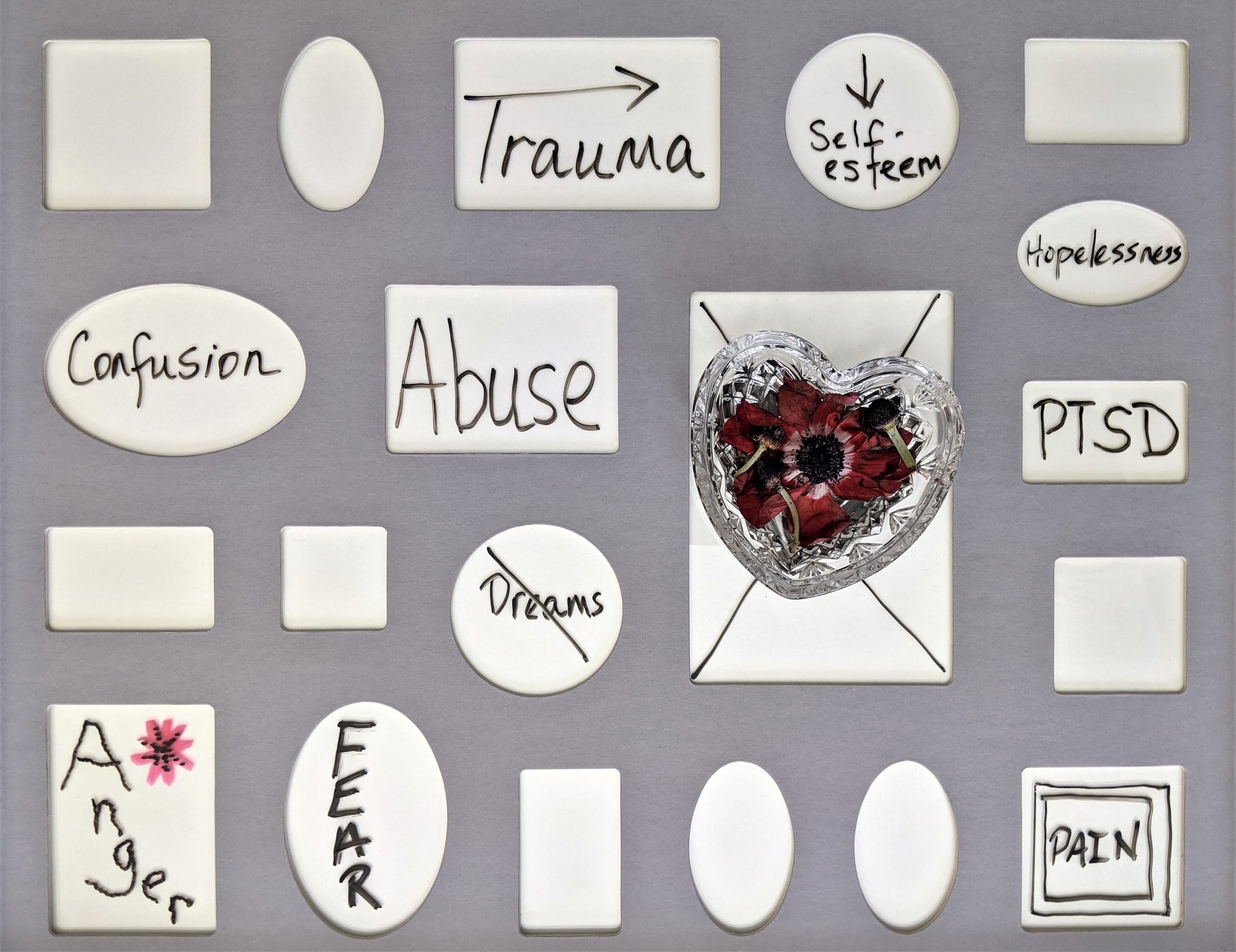
When trauma bonding occurs, it can be confusing, overwhelming and difficult to leave the abusive situation. This can also happen to anyone! You shouldn’t feel embarrassed, weak or incapable.
Through this cycle, the abused believes that things will get better, which is why they stay. The emotional dependency and bond to the abuser and relationship can be quite resistant to change.
Our brains can process trauma in different ways. As a result, a trauma survivor can often disconnect from their own sense of self, disregarding their own needs and values.
SIGNS OF TRAUMA BONDING
Unfortunately, trauma bonding can happen in a variety of abusive situations; in both new and long-term relationships. The abusive person can have an extremely charming facade at first. They might blame the abused for their mood changes. They might isolate them from their loved ones. They might repeatedly break promises and switch unpredictably between emotions.
On the other side, the abused person might make up excuses or brush aside the abuser’s harmful actions. They might lie to family and friends about the abuse. They might find themselves altering their behavior to avoid setting off the abuser and over time, grow numb to the abuse itself, basically normalizing it in their mind.
From an outsider’s perspective it can be tough to understand how someone in such a negative situation could still experience feelings of love and dependence for the person or people abusing them. In a trauma bond cycle, the abused holds on to the instances where the abused is kind to them.
Attachment is a basic human need that is important for survival and victims of trauma bonding can become so dependent on their abuser, that they don’t see a way out.
BREAKING TRAUMA BONDS
Escaping from a trauma bond can take time, effort and often professional assistance is needed to help the abused remove themselves from the destructive situation. For the abused:
Acknowledge that you have a choice to leave
Physically separate yourself from the abuser
Stop communication with the abuser
Recognize the signs of abuse
Figure out how you got here in the first place
Identify boundaries for your next relationship
Develop a network of support: friends, family and mental health professionals
Practice self-compassion and care; mentally and physically
Therapy is a fantastic tool for helping move past trauma! When we leave an abusive situation, there are complicated emotions that come along with it. As therapists, we are here to help you understand and guide you through these emotions, not to mention help you see the warning signs of abuse that could occur in future situations.
Remember, abuse is not the victim’s fault and trauma bonding is not the victim’s fault, either! Healing takes time and there are tools to help break down the bonds that once existed in an abusive relationship.
3 Tips To Maximize Your Productivity Without Sacrificing Your Mental Health
I don’t know about you, but sometimes, I feel like society sends us nonstop conflicting messages. Lately, I’ve been thinking about productivity, goal-accomplishment, self-care, and what it really means to live a fulfilling life.
By Mary Claire Schibelka, LPC
I don’t know about you, but sometimes, I feel like society sends us nonstop conflicting messages. Lately, I’ve been thinking about productivity, goal-accomplishment, self-care, and what it really means to live a fulfilling life.
In one camp, we hear messages like, “Never give up on your dreams,” and “Do more to get more.” We also live in a side-hustle culture, where it’s more popular than ever to pay bills with your 9-to-5 and grind on evenings and weekends to afford dinners out, Lolla tickets, and Instagrammable vacations.

On the other side, we hear, “Your worth does not lie in your productivity.” “It’s okay to fail.” “You need to take time off for self-care.” “Tell your boss you’ve set a boundary and will no longer be working past 6pm.”
But what if you want to work hard to start a business or afford the finer things in life? What if you want that, and you still want to watch your favorite TV show and go out for spontaneous drinks with friends? Can you do both?
These questions sent me on a journey this week to research how you can kill it in your career, knock out a substantial amount of to-do list items each day, and still have time to take care of yourself and live a fulfilling life, because let’s be honest- all work and no play just isn’t it.
Here are 3 of the most important tips I’ve learned:
Be Picky with Your Friends
When you’re a career-driven person, your time is very valuable. Spending it with people you don’t really enjoy can feel like a waste. Instead, choose to spend time with friends who recharge and motivate you to be the best version of yourself. Time with these kinds of people will be fun, and it will also prepare you to work hard when you’re ready to get back to it.
Do Self-Care That Works
It seems easy, but figuring out which self-care activities actually rejuvenate you takes work! You probably hear a lot about journaling, taking bubble baths, getting your nails done, and meditating, but self-care can include so much more. Self-care can include anything, like running, painting, shopping, gardening, seeing a movie, crossfit, cooking, cleaning, fixing cars...anything! Experiment and find out what you enjoy in order to get the most out of your self-care time.
Create Routines
I know this one can be cringy. Especially if you’re more Type B or spontaneous. But it really works. Creating daily and weekly routines helps you consolidate your productivity into a preselected amount of hours. In other words, it helps you get stuff done in a reasonable amount of time, so you can finish tasks and get out there and enjoy life. You can Google “successful peoples’ morning routines” for ideas, and then customize them to be doable for you.
Even though it sometimes seems like productivity and mental health are mutually exclusive, the truth is they really can coexist. Be mindful about how you use your time and who you spend it with. Staying focused during times you assign for work will allow you to relax and enjoy socializing and self-care during your much-needed breaks.
Related Articles
You Can Have It All: Expert Secrets To Balancing Love and Your Career
Troubleshooting Your Goals: Lessons from a Therapist’s Career Journey