
How To Improve Your Body Image During Sex
Take a moment to imagine yourself having sex. How do you feel? How do you see yourself? Now, if you weren’t already, imagine having sex completely naked in a well-lit room. How do you feel now? Your answer, most likely, is a reflection of your body image- your thoughts, feelings, judgments, and beliefs about your body.
By Mary Claire Schibelka, LPC
Take a moment to imagine yourself having sex. How do you feel? How do you see yourself? Now, if you weren’t already, imagine having sex completely naked in a well-lit room. How do you feel now? Your answer, most likely, is a reflection of your body image- your thoughts, feelings, judgments, and beliefs about your body.
About 41% of men and 60% of women report feeling dissatisfied with their bodies1. In a different study, over 70% of women reported avoiding certain activities due to poor body image2. Having sex is arguably one of the most vulnerable things you can do with your body. It makes sense that research on the relationship between body image and sex reveals poor body image is correlated with reduced sexual desire, sexual arousal, ability to orgasm, and overall sexual satisfaction3.
Does poor body image have a negative effect on your sex life? If the answer is yes, read the tips below to learn how to improve your sex life by bettering your body image.
Don’t Expect Perfection

Don’t expect perfection in anything. Not your ability to pull off new sexual positions, not the appearance of your body, and not even your feelings about your body. Trying to achieve perfect body image, or 100% confidence, all the time is a recipe for disappointment. There will be days when you feel insecure, and that’s okay.
Aim for Body Acceptance Over Love
Depending on where you are in your body image journey, the idea of loving your body may feel impossible. That’s okay! Instead, you can learn to accept your body or feel neutral towards it. To achieve this, think about the function of your body rather than it’s appearance. Imagine you are an alien species looking at your human body for the first time. How cool is it that you have legs to take you places, breasts to produce milk and sustain human life, or parts of the body meant for pleasure only? Focusing on your body’s abilities with a sense of wonder can help you appreciate it, even if you wish some things looked different.
Think Critically About Media
The times you’ve seen sex presented in movies or pornography, what kinds of bodies have you seen? Body diversity is becoming more popular, but media is still saturated with depictions of thin, white women and white, muscular men having sex. Next time you see an unrealistic sex scene, imagine what your neighbors or friends look like having sex. Chances are, it probably looks a lot more like the sex you’re having.
Focus on the Positives
Advertising and media have us so conditioned to focus on the parts of our bodies we’re unsatisfied with. What parts of your body do you actually like? Pick just one thing. It could be your bum or your stomach, or it could be your fingernails or eyebrows! Intentionally notice the qualities you like about yourself at least as often as you think about the ones you don’t.
Be With Someone Who Loves Your Body
Internal validation is important, but it’s also okay (and sometimes, very helpful) to receive external validation as well. When dating, stick with the partners who compliment your appearance. If anyone criticizes your body or talks about their attraction to bodies that look nothing like yours, move on. There are too many people in the world who would consider themselves lucky to have sex with you. Don’t waste your time on those who are only going to bring you down and reinforce your negative beliefs about yourself.
Ask Your Partner for Reassurance
It could be very arousing to hear your partner tell you what they like about your body while you’re having sex. It could also be helpful to hear this outside the bedroom. There’s nothing wrong with asking for some reassurance sometimes. If you’re in need of a confidence boost, let your partner know. Tell them how great it would feel to hear how attractive you are. Then, bask in their compliments, trusting that your body is exactly what your partner is drawn to.
Improve Your Emotional Connection
Sex does not have to be only about connecting physically. Emotionally passionate sex has the ability to take you outside your body into almost a transcendent, spiritual realm. Focus on deepening your emotional intimacy with your partner, and watch as worries about your body slip away as you connect sexually.
Redirect Your Focus
If your mind is feeling cluttered with shameful thoughts or worries about your body during sex, try redirecting your focus to your five senses. Notice the physical sensations in your body. Notice the texture and smell of your partner’s skin. Notice the taste of their kiss. These distractions will not only help reduce focus on your body image, they will also make your sexual experience more sensual and enjoyable.
Body image does not have to be a barrier to a healthy sex life. While most of us struggle with insecurities to some degree, these strategies can help you feel better about your body and therefore more interested in and pleasured by sex. Share your experiences with body image and sex by following and commenting on our Instagram page at @elevatedlifecounseling.
Related Articles:
5 Reasons To Throw Away Your Scale Today
Intimacy Uncovered: What You Need To Know About Sexual Shame and How To Heal
Set Your Sex Life On Fire: The Difference Between Sexual Intercourse and Sensual Intercourse
5 Reasons To Throw Away Your Scale Today
What would you say if a friend told you that every morning, you need to stop by their house before work, so they can look at you, assess whether or not you look fat, and tell you how you should feel about yourself for the rest of the day?
Crazy, right? Who would agree to such a thing!?
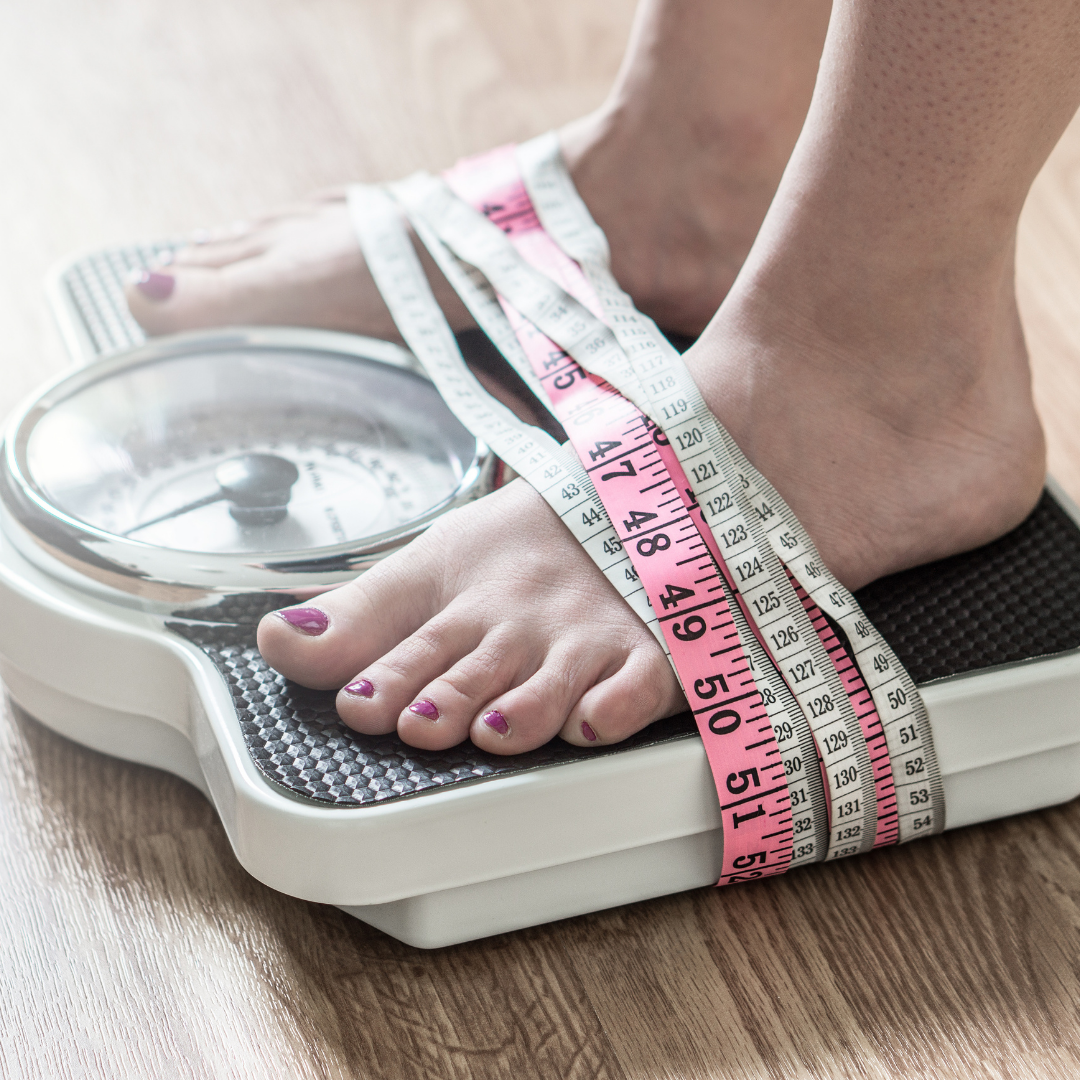
Every morning, millions of Americans do almost exactly this. They get out of bed and go directly to the bathroom scale, where a set of numbers will determine how confident, attractive, and successful they feel that day.
By Mary Claire Schibelka, LPC
What would you say if a friend told you that every morning, you need to stop by their house before work, so they can look at you, assess whether or not you look fat, and tell you how you should feel about yourself for the rest of the day?
Crazy, right? Who would agree to such a thing!?
Every morning, millions of Americans do almost exactly this. They get out of bed and go directly to the bathroom scale, where a set of numbers will determine how confident, attractive, and successful they feel that day.
While diet culture may have convinced most of society that owning a bathroom scale is a part of staying healthy, weighing yourself may actually be unnecessary at best and prompt harmful, unhealthy behaviors at worst.
When working with clients who struggle with eating disorders or poor body image, getting rid of the bathroom scale is often one of the first steps I recommend. Here are 5 reasons why:
It’s Not Accurate Anyways
Most people who weigh themselves believe that they are measuring changes in their body fat. Really, the numbers appearing on the scale may be a reflection of water weight, muscle, or the weight of the food in your stomach. A scale alone has no way to tell.
Weight Is Not the Only Indicator of Health
Even if the scale did measure the amount of fat on your body, it still would not be an accurate representation of your health. The diet and fitness industries emphasize the importance of weight in overall health. However, there are many other factors that contribute to your health, such as your stress level and whether or not you smoke. Some research even indicates that individuals considered slightly overweight have lower health risks than their thinner counterparts.1,2
Genetics Play a Huge Role in Weight
According to diet culture, you are in control of your weight. If you just tried a little harder at the gym or ate a little healthier, you could have the body of your dreams. Body set point theory disagrees, stating that your body has a specific weight range it wants to stay within. If you go above or below that range, your body will employ physical and psychological mechanisms, such as making you hungrier, in order to bring you back to the set point it’s comfortable with.
If you’re feeling frustrated with an unchanging number on the scale, it might actually be a sign that your body is right where it needs to be. If that’s that case, why keep the scale?
Exercise Can Be Fun
Remember when you were a kid and you ran around and played sports just for fun? Exercising can feel that way now! When you mentally frame exercise as something you have to do, otherwise you’ll get fat (and ugly, lazy, and worthless according to diet culture), it loses its luster almost immediately. Without the pressure of having to hit a certain number on the scale, exercise can go back to being something energizing, relaxing, and even entertaining.
There Are Other Ways To Feel Confident
Regardless of how much you weigh, you can feel confident. I know- crazy- but very true. To find confidence in yourself at any body size, focus on things you’re good at, features you like about yourself, and positive relationships you have. You’ll likely find that when you take the focus off of your weight, confidence starts to show up more easily than you even thought possible.
In a society conditioned to put so much weight- no pun intended- in the number on a scale, deciding not to weigh yourself can feel scary, rebellious, or like a loss of control. Keep in mind that as long as you’re eating nutritious foods, eating all things in moderation, and moving in a way that feels good, your body will find its healthy, happy place, no scale required.
Summer Body Image
You know that feeling when you step outside and realize, finally, the weather is starting to get warmer? The shift from winter into spring and summer feels hopeful in many ways. Finally, activities like hiking, biking, going on long walks, and lounging by the pool will soon be possible again. Warmer weather also means less clothing. If body image is something you struggle with, this fact alone might be enough to turn that feeling of hopefulness into one of dread.
By Mary Claire Schibelka, LPC
You know that feeling when you step outside and realize, finally, the weather is starting to get warmer? The shift from winter into spring and summer feels hopeful in many ways. Finally, activities like hiking, biking, going on long walks, and lounging by the pool will soon be possible again. Warmer weather also means less clothing. If body image is something you struggle with, this fact alone might be enough to turn that feeling of hopefulness into one of dread.
What Is Body Image?
Body image is a term meaning the way you see your body along with the feelings and judgments you have about it. Body image includes the way you perceive your body shape, height, weight, skin tone, birthmarks, freckles, scars, hair, and everything else in between. Your body image can be either positive, negative, or neutral, and it can change by the day. For instance, some days, you may feel super sexy in your bikini, while others, curling up under a rock until winter returns may sound better than leaving the house in shorts.

How to Improve Body Image
When working with clients who struggle with body image, I have several go-to strategies. Try these tips to improve your body image and get out of your head about what you look like in your clothes this summer:
Deconstruct the Ideal
The first thing I always do with clients who want to improve their body image is investigate when and where they first started developing their beliefs about what the ideal body looks like. For many, it was parents who constantly dieted, media, or kids at school who picked on them for their appearance. Identify pivotal moments in your past when you decided your body was not good enough. Then, talk back to these beliefs from a place of self-compassion.
Don’t Believe Everything You Think
During my internship while in school to become a therapist, I worked at an outpatient center that primarily specializes in the treatment of eating disorders. My supervisor at the time gave me a piece of information to pass onto clients that I will always remember. She said, “We are incapable of seeing what we really look like.”
Whether you are looking in the mirror or at a picture of yourself, the image you see is filtered through all of your judgments, previous experiences, beliefs about yourself, and your mood that day, therefore making it impossible to see yourself accurately. This is the reason why we can look at a picture of ourselves and hate it, and then 2 years later look at the same picture and think we look great.
Next time you hear your brain pointing out everything that’s wrong with your body. Stop it in its tracks and remind yourself that you likely do not look exactly the way you think you do.
Focus on the Positives
One symptom of negative body image is paying disproportionate attention to the parts of your body you don’t like while ignoring the parts you either like or feel neutral towards. You may also lose sight of your positive qualities that have nothing to do with appearance whatsoever. Make a list of all the things you like about yourself. When you catch yourself hyperfocusing on body parts you’re dissatisfied with, intentionally redirect your attention to a positive quality instead.
Try for Body Neutrality
Sometimes, the idea of body love or body positivity feels impossible. In these cases, it can actually feel more shameful to hold yourself to the standard of loving your body. Instead, aim for body neutrality. Try thinking about the functions of body parts you don’t like rather than the way they look. For example, if you really don’t like your legs, practice appreciating them for getting you to places you need to go, disregarding their appearance altogether.
Address Underlying Issues
More often than not, negative body image is a reflection of other issues beneath the surface, such as low self-esteem, perfectionism, and lack of satisfaction in other areas of life. When you notice body dissatisfaction show up, check in with how you’re feeling in your relational, work, physical health, and spiritual life. Talk to a trusted friend or therapist about your discoveries, and problem solve where necessary. Chances are, body distress will alleviate in accordance with these issues.
Next Steps
Society is full of messaging about what it means to look “good” during the summer months. If you’re experiencing heightened feelings of body dissatisfaction as the weather warms up, practice these strategies daily. For more support, reach out to one of our therapists here at ELEVATED Life Counseling by clicking the “Contact Us” tab above.