
5 Reasons To Throw Away Your Scale Today
What would you say if a friend told you that every morning, you need to stop by their house before work, so they can look at you, assess whether or not you look fat, and tell you how you should feel about yourself for the rest of the day?
Crazy, right? Who would agree to such a thing!?
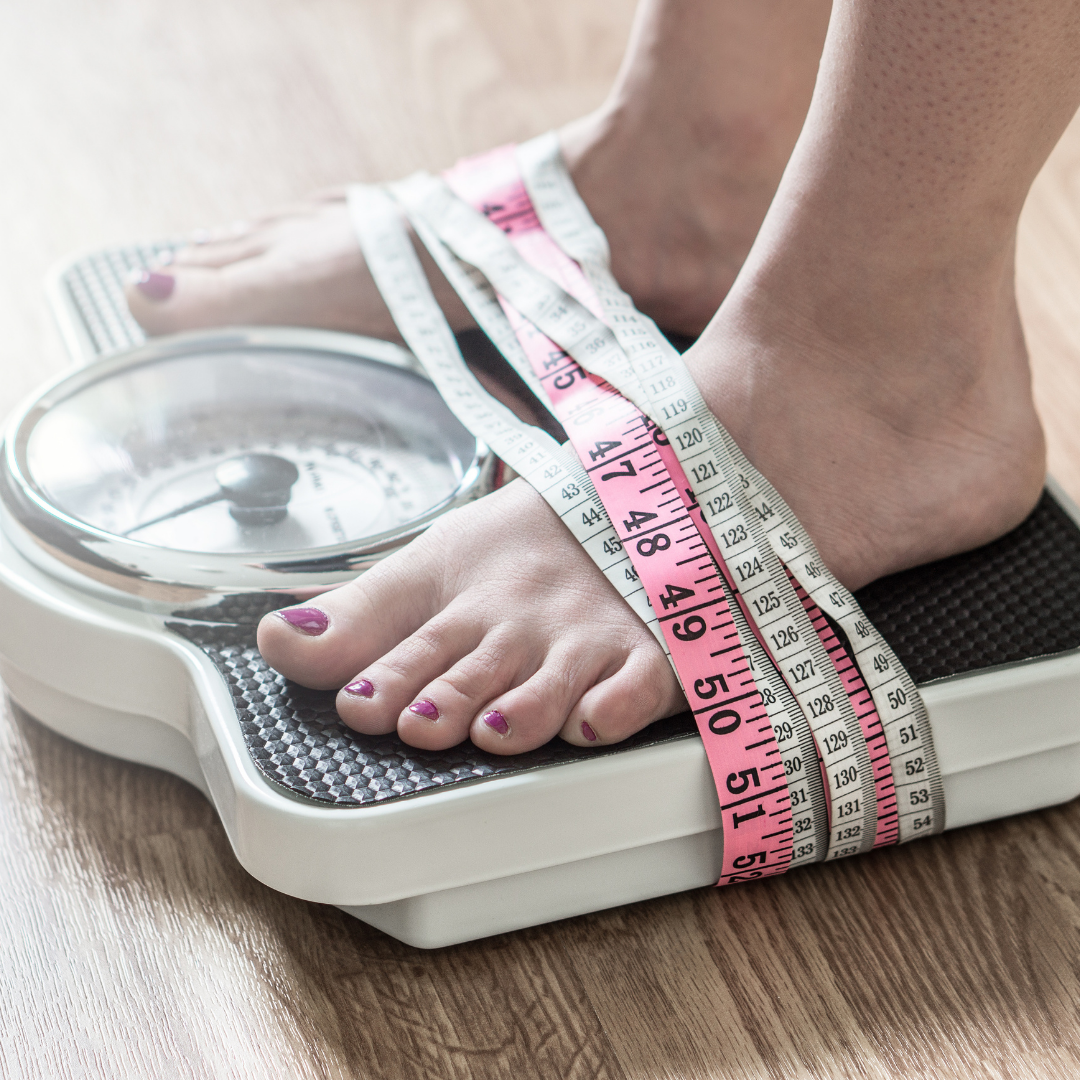
Every morning, millions of Americans do almost exactly this. They get out of bed and go directly to the bathroom scale, where a set of numbers will determine how confident, attractive, and successful they feel that day.
By Mary Claire Schibelka, LPC
What would you say if a friend told you that every morning, you need to stop by their house before work, so they can look at you, assess whether or not you look fat, and tell you how you should feel about yourself for the rest of the day?
Crazy, right? Who would agree to such a thing!?
Every morning, millions of Americans do almost exactly this. They get out of bed and go directly to the bathroom scale, where a set of numbers will determine how confident, attractive, and successful they feel that day.
While diet culture may have convinced most of society that owning a bathroom scale is a part of staying healthy, weighing yourself may actually be unnecessary at best and prompt harmful, unhealthy behaviors at worst.
When working with clients who struggle with eating disorders or poor body image, getting rid of the bathroom scale is often one of the first steps I recommend. Here are 5 reasons why:
It’s Not Accurate Anyways
Most people who weigh themselves believe that they are measuring changes in their body fat. Really, the numbers appearing on the scale may be a reflection of water weight, muscle, or the weight of the food in your stomach. A scale alone has no way to tell.
Weight Is Not the Only Indicator of Health
Even if the scale did measure the amount of fat on your body, it still would not be an accurate representation of your health. The diet and fitness industries emphasize the importance of weight in overall health. However, there are many other factors that contribute to your health, such as your stress level and whether or not you smoke. Some research even indicates that individuals considered slightly overweight have lower health risks than their thinner counterparts.1,2
Genetics Play a Huge Role in Weight
According to diet culture, you are in control of your weight. If you just tried a little harder at the gym or ate a little healthier, you could have the body of your dreams. Body set point theory disagrees, stating that your body has a specific weight range it wants to stay within. If you go above or below that range, your body will employ physical and psychological mechanisms, such as making you hungrier, in order to bring you back to the set point it’s comfortable with.
If you’re feeling frustrated with an unchanging number on the scale, it might actually be a sign that your body is right where it needs to be. If that’s that case, why keep the scale?
Exercise Can Be Fun
Remember when you were a kid and you ran around and played sports just for fun? Exercising can feel that way now! When you mentally frame exercise as something you have to do, otherwise you’ll get fat (and ugly, lazy, and worthless according to diet culture), it loses its luster almost immediately. Without the pressure of having to hit a certain number on the scale, exercise can go back to being something energizing, relaxing, and even entertaining.
There Are Other Ways To Feel Confident
Regardless of how much you weigh, you can feel confident. I know- crazy- but very true. To find confidence in yourself at any body size, focus on things you’re good at, features you like about yourself, and positive relationships you have. You’ll likely find that when you take the focus off of your weight, confidence starts to show up more easily than you even thought possible.
In a society conditioned to put so much weight- no pun intended- in the number on a scale, deciding not to weigh yourself can feel scary, rebellious, or like a loss of control. Keep in mind that as long as you’re eating nutritious foods, eating all things in moderation, and moving in a way that feels good, your body will find its healthy, happy place, no scale required.
Summer Body Image
You know that feeling when you step outside and realize, finally, the weather is starting to get warmer? The shift from winter into spring and summer feels hopeful in many ways. Finally, activities like hiking, biking, going on long walks, and lounging by the pool will soon be possible again. Warmer weather also means less clothing. If body image is something you struggle with, this fact alone might be enough to turn that feeling of hopefulness into one of dread.
By Mary Claire Schibelka, LPC
You know that feeling when you step outside and realize, finally, the weather is starting to get warmer? The shift from winter into spring and summer feels hopeful in many ways. Finally, activities like hiking, biking, going on long walks, and lounging by the pool will soon be possible again. Warmer weather also means less clothing. If body image is something you struggle with, this fact alone might be enough to turn that feeling of hopefulness into one of dread.
What Is Body Image?
Body image is a term meaning the way you see your body along with the feelings and judgments you have about it. Body image includes the way you perceive your body shape, height, weight, skin tone, birthmarks, freckles, scars, hair, and everything else in between. Your body image can be either positive, negative, or neutral, and it can change by the day. For instance, some days, you may feel super sexy in your bikini, while others, curling up under a rock until winter returns may sound better than leaving the house in shorts.

How to Improve Body Image
When working with clients who struggle with body image, I have several go-to strategies. Try these tips to improve your body image and get out of your head about what you look like in your clothes this summer:
Deconstruct the Ideal
The first thing I always do with clients who want to improve their body image is investigate when and where they first started developing their beliefs about what the ideal body looks like. For many, it was parents who constantly dieted, media, or kids at school who picked on them for their appearance. Identify pivotal moments in your past when you decided your body was not good enough. Then, talk back to these beliefs from a place of self-compassion.
Don’t Believe Everything You Think
During my internship while in school to become a therapist, I worked at an outpatient center that primarily specializes in the treatment of eating disorders. My supervisor at the time gave me a piece of information to pass onto clients that I will always remember. She said, “We are incapable of seeing what we really look like.”
Whether you are looking in the mirror or at a picture of yourself, the image you see is filtered through all of your judgments, previous experiences, beliefs about yourself, and your mood that day, therefore making it impossible to see yourself accurately. This is the reason why we can look at a picture of ourselves and hate it, and then 2 years later look at the same picture and think we look great.
Next time you hear your brain pointing out everything that’s wrong with your body. Stop it in its tracks and remind yourself that you likely do not look exactly the way you think you do.
Focus on the Positives
One symptom of negative body image is paying disproportionate attention to the parts of your body you don’t like while ignoring the parts you either like or feel neutral towards. You may also lose sight of your positive qualities that have nothing to do with appearance whatsoever. Make a list of all the things you like about yourself. When you catch yourself hyperfocusing on body parts you’re dissatisfied with, intentionally redirect your attention to a positive quality instead.
Try for Body Neutrality
Sometimes, the idea of body love or body positivity feels impossible. In these cases, it can actually feel more shameful to hold yourself to the standard of loving your body. Instead, aim for body neutrality. Try thinking about the functions of body parts you don’t like rather than the way they look. For example, if you really don’t like your legs, practice appreciating them for getting you to places you need to go, disregarding their appearance altogether.
Address Underlying Issues
More often than not, negative body image is a reflection of other issues beneath the surface, such as low self-esteem, perfectionism, and lack of satisfaction in other areas of life. When you notice body dissatisfaction show up, check in with how you’re feeling in your relational, work, physical health, and spiritual life. Talk to a trusted friend or therapist about your discoveries, and problem solve where necessary. Chances are, body distress will alleviate in accordance with these issues.
Next Steps
Society is full of messaging about what it means to look “good” during the summer months. If you’re experiencing heightened feelings of body dissatisfaction as the weather warms up, practice these strategies daily. For more support, reach out to one of our therapists here at ELEVATED Life Counseling by clicking the “Contact Us” tab above.
Eating Disorder Recovery: Coping with Feeling Full During the Holidays
Well, here we are, everyone. Somehow, after eight months of the world being turned upside down by the Coronavirus Pandemic, we made it to the Holiday Season. Thanksgiving is already less than two weeks away! While the Winter Holidays can be joyful, those in eating disorder recovery often find this time stressful and triggering.
By Mary Claire Schibelka, LPC
Well, here we are, everyone. Somehow, after eight months of the world being turned upside down by the Coronavirus Pandemic, we made it to the Holiday Season. Thanksgiving is already a week away! While the Winter Holidays can be joyful, those in eating disorder recovery often find this time stressful and triggering.
Almost every holiday celebrated in the United States involves food, but none of them can compete with Thanksgiving- the holiday that is literally centered around eating. After Thanksgiving, the holiday parties and cookie exchanges commence, creating what can feel like a month of endless consumption. For people in eating disorder recovery, these events are often ruined by feelings of anxiety, shame, and insecurity induced by feelings of fullness after eating more than what one is typically used to. If this is true for you, try the following tips this Season to reclaim the Holiday fun and minimize the effects of uncomfortable emotions.

Remind Yourself That This Is Normal
On an average day, would eating five servings of mashed potatoes be considered typical? Um...no. Probably not. But on Thanksgiving? Absolutely! Food is a biological necessity, but it is also social. Food has historically always been a focal point of gatherings. It is healthy and normal to eat more of it than usual when you are at a social event. Even if you eat past the point of moderate fullness at which you would normally stop, it is still normal. It is also normal to eat an average amount of food if that is really all you are hungry for. This Holiday Season, give your body permission to have what it wants. Remember that people all over the world are doing the same exact thing, and all of you will be okay.
Distract Yourself
If you’re recovering from an eating disorder, you’re probably familiar with the overwhelming emotions that often show up after a large meal. In order to cope with these feelings, distract yourself after mealtime by playing a board game, going for a gentle walk, sparking up an interesting conversation with a friend or family member, or watching a funny movie. By the time you’re done with whatever activity you choose, you’ll likely find that intense feelings of fullness have subsided, and you’re back to a comfortable level of satisfaction.
Accept Uncomfortable Feelings
The truth is, sometimes uncomfortable emotions are unavoidable. The good news is that no matter how unpleasant your feelings are, they will eventually subside. Remember that feeling “good” is not a prerequisite for doing the things that you value. If you find yourself experiencing anxiety or shame after a large meal this Holiday Season, try accepting your feelings and choosing to do whatever you would be doing if you weren’t feeling that way. For example, if you’re feeling anxious, you might be tempted to sit out on a family board game after Thanksgiving dinner. Notice this urge, then play the game anyways. Your emotions will pass either way. Balancing them out with activities you value will help you get the most out of your Holiday experience, even if it isn’t 100% enjoyable.
This year, there is more to worry about during the holiday season than ever before. Don’t let guilt, shame, or anxiety about feeling full take away more from your experience than the Pandemic already has. Practice these three skills this week after eating regular-sized meals so you can be ready to put them to use during the next month and a half. This could be the year you conquer the holiday meal blues once and for all.
Restaurant Anxiety: Dining Out While Recovering from an Eating Disorder
Going out to eat is supposed to be fun. It’s a great way to get out of the house, socialize, try new cuisines, and eat without having to cook. For people without eating disorders, restaurants are exciting and relaxing. If you have an eating disorder, however, going to a restaurant can feel like torture.
By Mary Claire Schibelka, LPC
Going out to eat is supposed to be fun. It’s a great way to get out of the house, socialize, try new cuisines, and eat without having to cook. For people without eating disorders, restaurants are exciting and relaxing. If you have an eating disorder, however, going to a restaurant can feel like torture.
Restaurants, because of their obvious focus on food, are full of triggers for people struggling with eating disorders. Uncertainty about how a dish is prepared or how many calories are in it can cause anxiety symptoms like fear of weight gain or hyperfocus on body size and appearance. Many restaurants do print the amount of calories per dish on the menu. This too can cause anxiety and urges to engage in eating disorder behaviors.

Other aspects of dining out people with eating disorders may struggle with include large portion sizes, multiple courses, extensive menu choices, and lack of knowledge about ingredients. Many also find it difficult to eat among others without comparing their appearance, body size, food choice, and amount of food eaten with those around them.
Dining out while in recovery from an eating disorder can be challenging. Restaurants present a lot of stimuli, much of it triggering, and can feel very overwhelming. While restaurant anxiety is uncomfortable, it’s important that those in recovery learn to cope with it and reclaim the luxury that dining out is intended to be. To cope with the emotions that come up while dining out and introduce joy back into the experience, those in recovery can do the following things:
Plan Ahead*
If not knowing what’s on the menu is causing you anxiety, consider looking up the menu ahead of time. Before doing this, take a few deep breaths. Look at the menu and ask yourself, “What would I choose to eat if I were fully recovered?” You may not know the answer to this question yet. Just do the best you can. Exit the menu and commit to order the choice you made while envisioning the healthiest version of yourself.
You may also want to make an escape plan. In the event that you feel overwhelmed, it might be helpful to take a quick bathroom break or step outside for a breath of fresh air. Plan ahead how you can excuse yourself from the table if you want to.
Eat Mindfully
It can be hard to focus on your meal when your thoughts are racing. Eat at a moderate pace, taking sips of water every few bites. Notice the flavor, texture, and smell of what you’re eating. Take deep, intentional breaths into your belly, and see if you can pay attention to your breath, your food, and the conversation at the table at the same time. Mindfulness can help you know when you’re full and also promote better enjoyment of the experience altogether!
Consider All Foods Equal
Creating a mental list of “good” and “bad” foods is sure to cause anxiety when dining out. When looking at the menu, remember that your body knows how to balance itself out. No matter what you order off the menu, your body will tell you when it’s still hungry and when it’s full. It also knows how to balance out richness and density. For example, if you eat a burger and fries for lunch, you will likely crave vegetables at dinnertime. Give yourself permission to order what you want, eat mindfully, and trust your body to take care of the rest.
Eating at restaurants can be difficult for people with eating disorders. Learning to manage anxiety and eat flexibly at restaurants is an important part of recovery. To learn more about eating disorder recovery and its benefits, see the ELEVATED Life Counseling “Services” page or visit me on Instagram at @therapywithmaryclaire.